





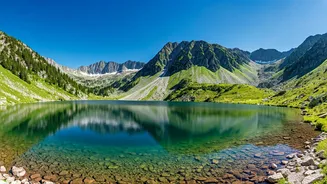
Introduction: Wetland Wonders
India's wetlands are essential ecological jewels, providing a rich mosaic of habitats that support an astounding variety of life. These areas, including
marshes, mangroves, and lakes, offer vital resources like clean water, flood control, and serve as havens for many species. Recognizing and protecting these wetlands is crucial for maintaining biodiversity and ecological balance. They act as nurseries for numerous species and act as stopover sites for migratory birds. Wetlands play a pivotal role in the local economy, supporting fishing, tourism, and agriculture while acting as natural buffers against climate change impacts. From the high-altitude wetlands of the Himalayas to the coastal mangroves of the south, India's wetlands are exceptionally diverse and vital for both the environment and human communities.
Chilika Lake: Odisha's Lagoon
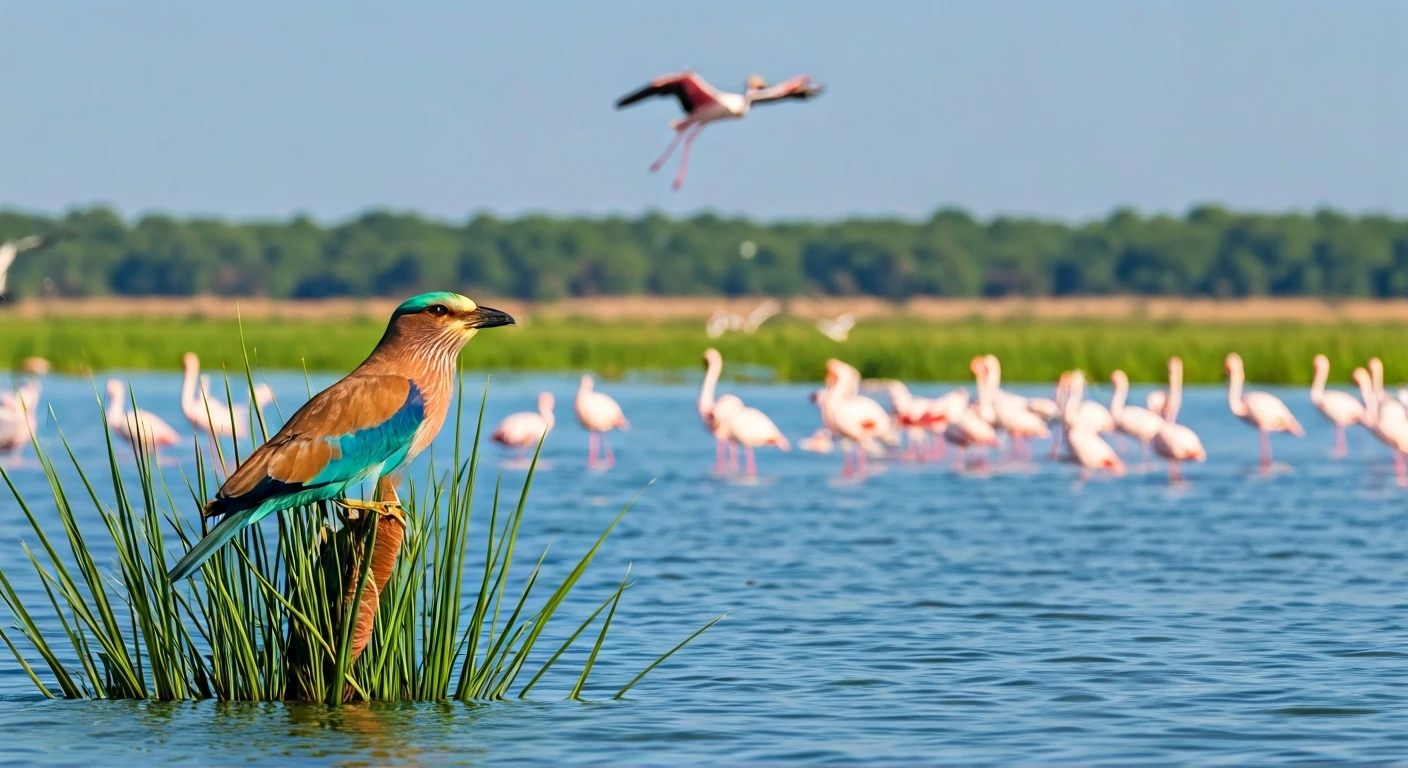
Chilika Lake, located in Odisha, is a coastal lagoon and the largest brackish water lagoon in Asia. It's a key wintering ground for migratory birds from across the globe, supporting a diverse avian population. The lagoon itself is home to numerous fish species and serves as an important nursery and feeding ground for them. The wetlands are also renowned for their rich biodiversity, including various species of aquatic plants and animals. Chilika Lake is a significant socio-economic resource, providing livelihoods for local communities through fishing, tourism, and related activities. The ecological significance of Chilika Lake extends beyond its immediate boundaries, contributing to the overall health of the coastal ecosystem and serving as a natural buffer against cyclones and floods. The lake is a Ramsar site, underscoring its international importance in conserving biodiversity.
Sundarbans: Mangrove Marvel
The Sundarbans, a vast mangrove forest located in the Ganges-Brahmaputra Delta, is a UNESCO World Heritage site and a globally significant wetland. This unique ecosystem supports a wide range of flora and fauna, including the iconic Royal Bengal Tiger. The mangrove forests serve as a vital coastal protection barrier, reducing the impact of storms and erosion, protecting the coastline. The wetlands are crucial for fish and crustacean production, providing sustenance and livelihoods for local communities. The area is a critical breeding and nursery ground for many marine species. Conservation efforts are crucial to maintain the ecological integrity of the Sundarbans, protecting its unique biodiversity, including the Bengal Tiger, and ensuring its ongoing role in coastal protection and providing food.
Wular Lake: Kashmir's Gem
Wular Lake, located in Jammu and Kashmir, is one of the largest freshwater lakes in Asia. It plays a significant role in the region's hydrology, regulating water flow and serving as an important source of water for irrigation and drinking. The lake supports a variety of aquatic life and is a key habitat for migratory birds, making it a critical site for biodiversity. The wetlands are crucial for fisheries and local communities that depend on the lake for their livelihoods. The lake helps moderate the climate, and its water quality is essential for the ecosystem’s health. Conservation efforts are focusing on addressing threats such as pollution, and habitat degradation to safeguard this precious resource. Wular Lake remains a beautiful and valuable ecosystem that supports the local economy and biodiversity.
Keoladeo: Bird Paradise
Keoladeo National Park, formerly known as Bharatpur Bird Sanctuary, in Rajasthan, is a famous wetland and a UNESCO World Heritage site. It's a globally recognized habitat for a variety of bird species, including numerous migratory birds that arrive from different parts of the world. The wetlands were once a hunting ground but were converted into a bird sanctuary to protect this important avian habitat. It's a critical site for research and conservation, and it plays a vital role in providing a refuge for many species. It’s also an important destination for birdwatchers and nature enthusiasts from around the world. Efforts to maintain water levels, manage invasive species, and conserve the wetlands are critical for the park's biodiversity and ecological services.