


LPG Shortage Crisis
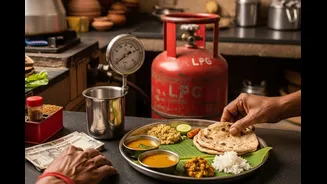
A severe scarcity of LPG cylinders has plunged Mumbai's baking industry into a crisis, threatening the livelihoods of hundreds of bakers and the consistent
supply of essential baked goods. The Bombay Bakers Association, representing approximately 600 to 650 bakeries across Mumbai, Thane, and Mumbra, has voiced grave concerns, suggesting that continued unavailability of gas could force many establishments to cease operations entirely within a week. Bakers are currently trying to manage by relying on those who can still procure cylinders, but this precarious situation is unsustainable. The irony of the situation is stark, as many bakeries had only recently transitioned from traditional wood or coal-fired ovens to gas-powered ones following a High Court directive. This switch, made with gas being the most practical and cost-effective alternative to expensive electric ovens, has now left them vulnerable with no access to commercial gas cylinders.
Adapting to Circumstances
Faced with the unprecedented gas shortage, Mumbai's bakers are resorting to increasingly desperate and often unconventional measures to keep their ovens running and their businesses afloat. Some have gone as far as to revert to their old diesel-fueled ovens, modifying burners back to their previous settings, a practice that is both illegal and insufficient to meet demand. Tariq Hussain, owner of the long-standing New Kirmani Bakery in Mahim, highlights that around 500 bakeries are dedicated solely to producing ladi pav, collectively churning out an estimated 16,000 to 18,000 'ladis' daily, with each ladi containing six pavs. This amounts to a staggering one crore ladi pavs produced across the city each day, a staple that forms the backbone of Mumbai's culinary scene. The crisis now poses a fundamental question for these bakers: how can they possibly maintain this output without access to gas?
Downstream Effects
The impact of the LPG crisis extends far beyond the bakeries themselves, significantly affecting the numerous vendors and businesses that rely on a steady supply of ladi pav. Nasir Ansari of the Bombay Bakers Association has observed that the primary consumers of ladi pav, particularly those operating roadside stalls selling popular items like vada pav and pav bhaji, have begun to shut down their operations due to the unavailability of this key ingredient. This disruption is visibly thinning the shelves of Mumbai's accessible food supply chain. Bakeries that have managed to secure cylinders through the black market are facing exorbitant costs, paying over Rs 4,000 per cylinder, with no guarantee of consistent supply. For those unwilling or unable to participate in the black market, the consequences are even more severe, with several bakeries, including MK Bakery and MS Bakery in Goregaon, Rajdhani Bakery in Bhayandar, City Light Bakery in Andheri East, Noor in Sion, and Sai Nand Bakery, forced to temporarily close their doors.
Reduced Production
For the bakeries that are still managing to operate amidst the acute LPG shortage, a drastic reduction in production capacity has become the norm. Nasir Ansari states that most bakeries are currently functioning at only 50 percent of their usual output. This means that if a bakery was previously using ten 50-kilogram bags of flour for production, they are now utilizing only five. Riyasat Sheikh, who has been associated with Yazdani Bakery since 1984, expresses deep frustration, noting that production has plummeted, with daily sales of ladi pav reduced to a mere 60-70 units from over 200 previously. This severe downturn is consistent across various bakery products, making operations exceedingly challenging. The diminished output directly impacts the availability of ladi pav for its numerous culinary applications, from egg bhurji to vada pav.
Price Hikes and Alternatives
The ongoing gas crisis is inevitably leading to price adjustments for bakery products, alongside the exploration of alternative operational methods. Yohann Carvalho from American Express Bakery, while unaffected in terms of their electric and diesel-run ovens, has had to reduce production of items like puffs and sandwiches due to the gas needed for their fillings. They are receiving only one gas cylinder every 20-25 days, compelling them to stop taking walk-in orders and cut production by approximately 30 percent. While bread prices are expected to remain stable, puffs and sandwiches may see a 10-15 percent increase. Vienna Bakery, known for its plum cakes and puffs, is also facing severe limitations with only one cylinder received recently, forcing them to rely on an electric oven for minimal production to manage costs. Tara Raj anticipates price hikes of 10-15 percent across the board by April 15, with specific increases for patties, puffs, and cakes, driven by rising costs of ingredients like fat and oil, in addition to packaging. Omaish Siddique of New Edward Bakery has seen ladi pav prices increase from Rs 12 to Rs 15, although wholesale price adjustments are harder to implement unilaterally. Some bakers have quietly reopened their disused wood-fired ovens, with local authorities reportedly turning a blind eye, to supply those with reduced output. Sai Nath Bakery, now Azad Bakery, has temporarily shut down its own production and is now reselling ladis sourced from other bakeries that still operate wood-fired ovens.
Future Outlook and Demands
The future of ladi pav production in Mumbai hangs precariously as the LPG crisis persists, leading the Bombay Bakers Association to prepare for crucial discussions with government officials. Despite promises of gas pipeline installations, initiatives by MGL to collect deposits from bakery owners have yet to materialize, with various excuses cited for the delays. The association plans to meet with Deputy Chief Minister Eknath Shinde to present their urgent demands. These include the temporary permission for operating wood-fired and diesel ovens until the situation stabilizes, a reprieve from increased electricity rates associated with higher usage, and equitable access to gas supplies, similar to how restaurants are being provisioned. The bakers are seeking a viable path forward that ensures the survival of their businesses and the continued availability of a beloved city staple.