


The Ambitious Vision
India is on the cusp of a high-speed rail revolution with the Mumbai-Ahmedabad High-Speed Rail (MAHSR) project, often referred to as the bullet train.
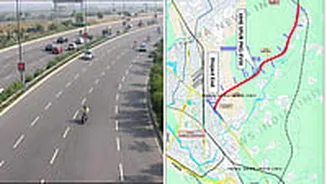
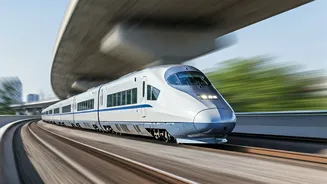
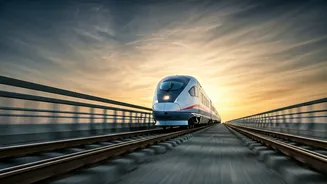
This transformative undertaking aims to forge a direct link between Mumbai, the nation's bustling financial capital, and Ahmedabad, a vibrant commercial and industrial nexus in Gujarat. Spearheaded by the National High-Speed Rail Corporation Limited (NHSRCL), this endeavor represents a significant collaboration, with JICA (Japan International Cooperation Agency) as a key partner alongside Indian Railways. The trains are engineered to reach blistering speeds of up to 320 kmph, drastically slashing the current travel duration between these two major metropolises. The project encompasses the development of a sprawling 508-kilometer corridor, strategically dotted with 12 stations designed to facilitate seamless connectivity. A cornerstone of this project is the construction of dedicated elevated tracks, a design choice meticulously planned to circumvent the complexities of land acquisition and ensure uninterrupted, high-performance train operations. This bullet train initiative is not merely about speed; it's a flagship component of the Indian government's broader strategy to modernize the country's railway infrastructure and establish a robust network of high-speed rail services nationwide, heralding a new era of swift and efficient intercity travel.
Engineering Marvels Unveiled
The Mumbai-Ahmedabad High Speed Corridor, slated for completion by 2029, is a testament to international cooperation, with Japan playing a pivotal role in its development. A significant point of discussion among engineers involves a proprietary 'mystery' ingredient, a closely guarded secret held by Japanese experts, which is integral to achieving the trains' extraordinary speeds. This project is not just about building tracks; it's about integrating state-of-the-art technology and fostering advanced operational skills through comprehensive training programs delivered by Japanese specialists. The corridor's infrastructure will feature an array of sophisticated engineering solutions, including extensive tunneling to navigate challenging terrains, robust viaducts to bridge gaps, and the aforementioned elevated tracks, all designed to support and sustain ultra-high-speed operations. This intricate network is being meticulously constructed to ensure reliability, safety, and exceptional performance, setting a new benchmark for railway engineering in India and paving the way for future high-speed rail development across the country.
Impact and Challenges
Beyond the technological prowess, the bullet train project carries immense potential for economic upliftment and enhanced connectivity. Its successful implementation is anticipated to stimulate robust economic growth in the connected regions, generating numerous employment opportunities during its construction and operational phases. Furthermore, it's poised to invigorate the tourism sector by making intercity travel quicker and more convenient, encouraging greater movement of people for both business and leisure. However, the path to realizing this vision has not been without its hurdles. The project has navigated a complex landscape of challenges, most notably concerning land acquisition, which requires careful negotiation and coordination with numerous landowners. Environmental considerations are also paramount, with extensive impact assessments and mitigation strategies being implemented. Financial aspects and securing adequate funding have also presented their own set of complexities. The NHSRCL is diligently collaborating with all involved parties and stakeholders to proactively address these issues, striving to ensure the project's timely and efficient completion, overcoming obstacles through persistent effort and strategic planning to deliver this groundbreaking transportation solution.