







The Ancient Monk of Gue
Nestled high within the dramatic landscapes of Himachal Pradesh's Spiti Valley lies the unassuming village of Gue, home to an extraordinary historical
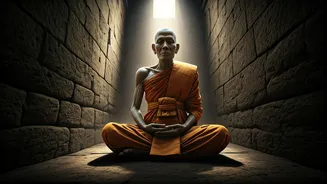
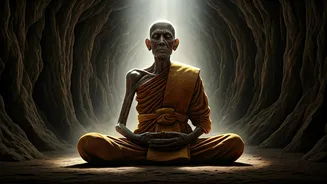
and spiritual relic. This village safeguards the remarkably preserved remains of Sangha Tenzin, a Buddhist monk believed to have lived in the 15th century. Carbon dating tests have placed the age of these remains at approximately 1475 years, meaning the monk has been preserved for over half a millennium. What sets this mummy apart is its natural preservation; unlike the artificially embalmed mummies of Egypt, Sangha Tenzin's body owes its survival to the extreme environmental conditions of the region. The arid climate, significant altitude, and harsh, freezing winters of the Himalayas are credited with this unique conservation. The monk is depicted in a serene meditation posture, with his hair and teeth still remarkably intact, a sight rarely seen in such ancient relics, offering a profound and humbling connection to the past.
Discovery and Safeguarding
The presence of Sangha Tenzin's mummified body was not always a public spectacle. Local accounts indicate that the tomb was first uncovered following a significant earthquake in 1975, which brought the ancient resting place to light. Later, in the early 2000s, the remains gained wider public attention due to road construction activities undertaken by officials from the Indo-Tibetan Border Police (ITBP). Recognizing the immense cultural and historical value of this discovery, the local administration and the villagers joined forces. Together, they collaborated to construct a dedicated, temple-like structure designed to protect and preserve the monk's remains, ensuring that this rare heritage could be safeguarded for future generations and made accessible for respectful viewing.
Legends of Self-Mummification
Adding a layer of intrigue and mysticism to the story of Sangha Tenzin is the local folklore surrounding his preservation. It is widely believed among the villagers and pilgrims that Sangha Tenzin was an adept practitioner of a very rare form of extended meditation that potentially led to his self-mummification. This practice, while not scientifically validated, is a tradition found in certain Buddhist cultures where ascetics undergo rigorous spiritual discipline to achieve a state of preservation after death. The legend holds that the monk dedicated his entire life to profound spiritual practices and prayer, seeking to protect the region from potential calamities. This enduring belief contributes significantly to the spiritual aura surrounding the mummy, imbuing the site with a sense of sacredness and devotion that resonates deeply with visitors.
A Unique Himalayan Experience
India is renowned for its vast array of ancient historical sites, from monumental structures to ancient fossils, yet the mummy in Gue offers an experience that is truly unparalleled. Visitors typically arrive in a tranquil setting, free from large crowds and commercial ticketing, to encounter this 500-year-old relic amidst the stark, raw beauty of the Himalayas. The journey to Gue itself is an adventure, traversing barren mountains, dramatic valleys, and winding roads, making the travel an integral part of the experience. This remoteness enhances the intimacy of the encounter with history. The village itself invites exploration of traditional Himalayan life, with its characteristic mud-brick homes and prayer flags fluttering against breathtaking mountain backdrops. The nearby Tabo Monastery, a UNESCO World Heritage site dating back to 996 CE and known as the 'Ajanta of the Himalayas,' further enriches the cultural immersion with its ancient murals and Buddhist art.
Preservation and Respect
The preservation of Sangha Tenzin's mummy is a matter of great importance to local authorities and the community. Visitors are kindly requested to observe a solemn and respectful demeanor while at the shrine. This includes maintaining silence and refraining from using flash photography, which can be detrimental to the delicate preservation of the remains. By adhering to these guidelines, visitors contribute to the ongoing protection of this invaluable cultural treasure that has remarkably endured for centuries. The experience of witnessing the mummy offers not only a tangible connection to the distant past but also a profound spiritual encounter, making Gue a truly remarkable destination that embodies India's rich history, enduring spiritual traditions, and captivating mysteries.