




Edible Election Expressions
The vibrant political climate in West Bengal has spilled over into its beloved culinary scene, particularly its famed sweet shops. In anticipation of the
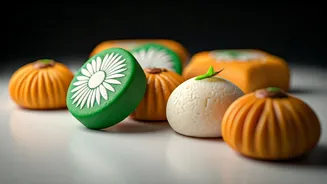
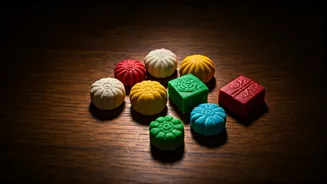
vote counting, confectioneries across Kolkata have transformed traditional treats into edible symbols of the ongoing electoral contest. Iconic sweets like rosogollas and sandesh are now being prepared in a spectrum of colors that directly represent different political parties. This innovative approach turns every dessert into a statement, mirroring the broader conversations and regional identity already woven into campaign narratives. It showcases how deeply ingrained cultural practices, like the enjoyment of sweets, can adapt to and reflect significant societal events, making the election anticipation a truly multisensory experience for the populace.
Party-Themed Delicacies
Renowned sweet establishments are at the forefront of this trend, with busy preparations underway to cater to the politically charged atmosphere. Specific examples highlight this creative fusion: a saffron-colored kesar sandesh has been aptly named 'Modishree,' drawing inspiration from a prominent political figure. Conversely, a vibrant green offering, infused with the distinct flavor of gondhoraj lime, is branded 'Joy Bangla,' a slogan strongly associated with a major regional party. Beyond these, other shops are also creating red-hued sweets, a nod to the Left parties. This intentional branding and coloring allow consumers to visually and gastronomically engage with their preferred political affiliations, turning sweet purchases into acts of subtle support or celebration.
Anticipating the Verdict
Beyond the pre-made party colors, many sweet makers are demonstrating remarkable agility by preparing neutral-colored rosogollas. These versatile sweets are intentionally kept white, ready to be dipped into the winning party's color once the election results are clear on counting day. Shops, like one in south Kolkata, have explicitly stated their readiness to adapt swiftly to the unfolding trends. This strategic flexibility underscores the commercial and cultural significance of the election day for these businesses. Confectioners emphasize that this approach is not just about capitalizing on a trend but about remaining responsive and relevant in a moment of high public engagement, a testament to their understanding of Bengal's celebratory traditions extending to political outcomes.
A Culinary Tradition
Customized sweets for significant events, including elections, have become a commonplace offering in large sweet chains across the city. According to industry insiders, this practice is deeply rooted in Bengal's cultural fabric, where sweets are integral to commemorating and celebrating every noteworthy occasion, be it personal or public. This extends naturally to the political arena, as confectioneries view elections as another major event worthy of special, tailored treats. This tradition highlights how deeply intertwined Bengali culture is with its culinary heritage, where even moments of intense political anticipation are met with a sweet, communal expression of sentiment and celebration, making every election a feast for the senses.
Balanced Mood Reflected
The political sentiment across West Bengal is being reflected not only in electoral strategies but also in the balanced demand for sweets in various districts. For instance, in areas like Bardhaman, sweet shops are reporting an equal uptake for both saffron and green colored sweets. Traders interpret this as a clear indicator of a 'balanced mood' prevalent throughout the state, suggesting a closely contested election. This observation from the ground level adds another layer to the electoral narrative, demonstrating how even the most local businesses and their customer preferences can offer insights into the broader political landscape. It paints a picture of a state where anticipation is high, and engagement is widespread across all strata of society.