



Desert's Culinary Resilience
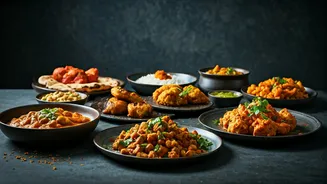
Rajasthani cuisine is a testament to the resilience and resourcefulness born from the harsh desert environment. Ingredients are carefully selected to thrive
and endure, reflecting a deep connection to the land. This culinary tradition beautifully balances the challenges of arid living with an unwavering desire for delicious food. The use of ingredients like dried desert vegetables and hardy grains highlights an innovative approach to gastronomy, transforming scarcity into a unique and celebrated flavor profile that speaks volumes about the region's heritage and adaptability.
Safed Maas: Creamy Delight
While Lal Maas often garners attention for its fiery appeal, Safed Maas offers a delightful counterpoint with its subtle yet rich character. This slow-cooked mutton dish is prepared in a creamy, nutty sauce, imparting a gentle sweetness that expertly balances any accompanying spices. Its velvety texture and deeply satisfying flavor make it a celebratory dish, showcasing a more nuanced side of Rajasthani meat preparations. Unlike its spicier counterpart, Safed Maas is a celebration of smooth, comforting tastes, proving that Rajasthani non-spicy dishes can be just as captivating and indulgent.
Ker Sangri: A Desert Innovation
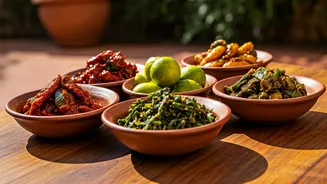
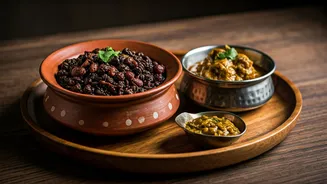
A true marvel of Rajasthani culinary ingenuity, Ker Sangri is a robust and hearty dish crafted from dried ker berries and sangri beans, indigenous to the desert landscape. These unique ingredients, with their distinctive grass-like texture unlike any European or other Indian vegetables, are transformed through cooking. They can be prepared in a tangy yogurt gravy or as a dry accompaniment alongside potatoes. This dish, a staple in many Rajasthani households, exemplifies how readily available desert flora is creatively incorporated into daily meals, offering both sustenance and exquisite taste.
Grains, Spices, and Sweetness
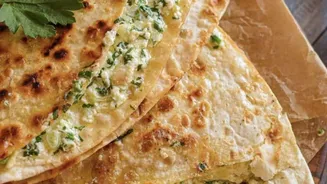
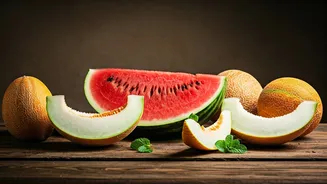
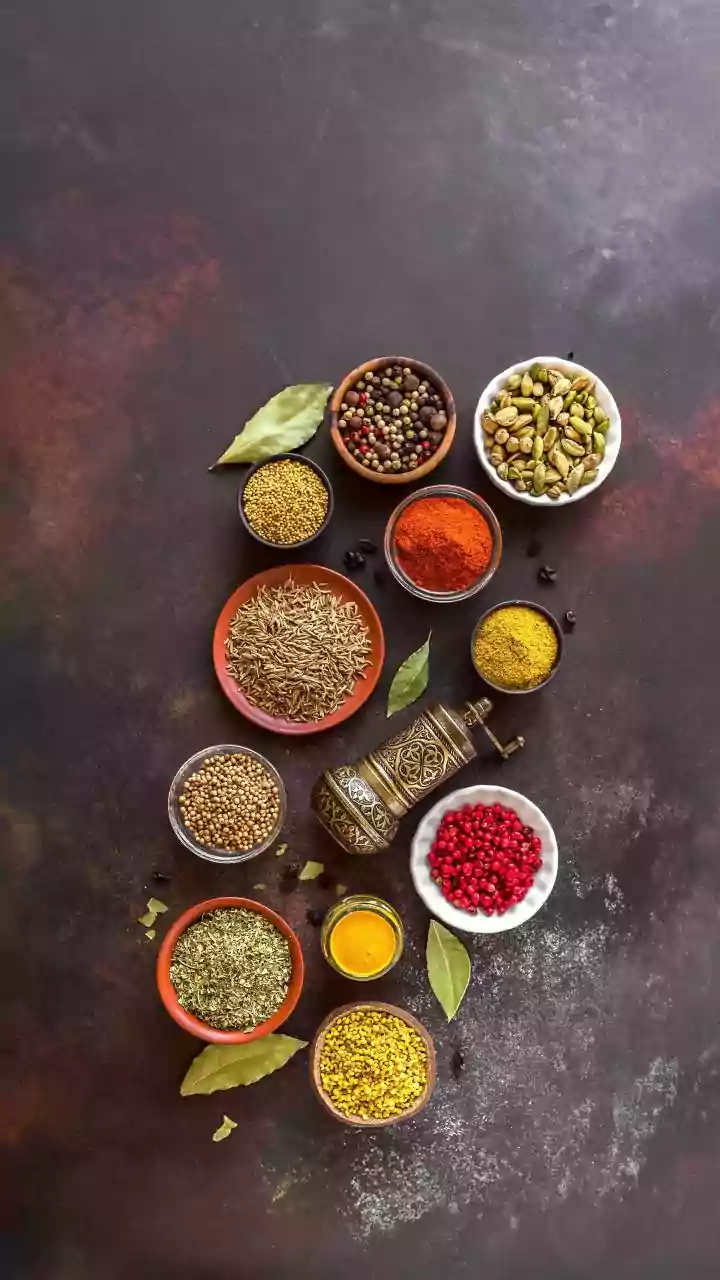
Rajasthani meals are often enriched with staple preparations like Gaanth, a comforting porridge of wheat, milk, and sugar, reflecting a penchant for wholesome, nourishing foods. Breads are commonly made from hearty grains such as corn (makki) and pearl millet (bajra), generously adorned with butter or ghee. A unique regional sweetener, mushti khand, a raw, unprocessed sugar with notes of honey and caramel, elevates these breads. The distinctive flavors are further amplified by indigenous spices: Mathania red chilies for color with mild heat, kachri powder from wild melon for tenderizing meats, and the aromatic presence of fresh cumin, turmeric root, aniseed, and coriander seeds, all carrying the authentic stamp of the desert.
Gatte Ki Sabji & Lapsiisa
Gatte Ki Sabji presents another delightful vegetarian option, featuring soft dumplings made from gram flour simmered in a delicately spiced yogurt-based gravy. The gram flour for these 'gatte' is expertly mixed with spices, oil, and yogurt before cooking. For dessert, Lapsiisa offers a refined take on sweet preparations. Resembling a finer version of Bengali Bondey, it is prepared using daliya (broken wheat), ghee, and jaggery or sugar. These small, sweet balls are considered a nutritious and easily digestible treat, providing a less intensely sweet, yet flavorful end to a meal, showcasing the thoughtfulness in Rajasthani dessert crafting.
The Iconic Dal Baati Churma
No discussion of Rajasthani cuisine is complete without mentioning the revered trio: Dal Baati Churma. Dal, a comforting lentil preparation, is typically a medley of toor, chana, moong, or urad dals, seasoned with spices and occasionally a hint of jaggery. Baati, a hard, spherical bread, is traditionally baked or fried, ideally cooked over an open fire or in an oven. Churma, the sweet component, is made from coarsely ground wheat flour, bajra, or semolina, blended with ghee, powdered sugar, and often dry fruits. To truly experience it, one breaks the baati, ladles on dal, and mixes in the churma for a harmonious spoonful of all three elements.
Lal Maas: A Royal Legacy
Lal Maas stands as a vibrant celebration of Rajasthani culture and history, harkening back to the era of maharajas and their hunting expeditions. This intensely red, slow-cooked mutton dish derives its signature color and heat from Mathania chilies, simmered with yogurt and garlic. Its origins are traced to the 8th century, linked to 'shikaars' (hunting trips). The anecdote suggests that the ease of carrying ingredients like chilies, garlic, water, and yogurt made this preparation practical for royal cooks. The chilies were also believed to mask any gamey aroma from the hunted meat, resulting in a rich, succulent, and fiery dish beloved by meat enthusiasts. Variations exist, with some prepared in ghee and others in mustard oil.