






Data-Driven Health Journeys
In India, a growing number of individuals, like the 40-year-old professional Jatin Khattar, are proactively engaging with their health thanks to wearable
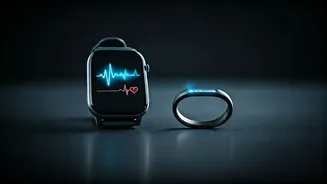
devices. Rather than waiting for symptoms, users are consulting doctors armed with data from smartwatches, fitness rings, and bands, which track metrics such as ECG, SpO2 levels, and heart rate variability (HRV). Khattar’s personal experience exemplifies this shift, where consistently low HRV and poor recovery scores prompted him to re-evaluate his lifestyle, from workout intensity to sleep patterns and dietary choices. This data-driven approach extends beyond fitness enthusiasts, with public figures also adopting these technologies, highlighting their integration into mainstream life. The Indian wearables market is substantial, with millions of devices sold annually, marking a clear move towards advanced health monitoring beyond basic activity tracking. These sophisticated gadgets, including continuous glucose monitors and smart rings, offer detailed insights into various physiological markers, but the crucial next step is understanding the significance of this generated information.
Decoding Wearable Metrics
Understanding the data generated by health wearables is key to leveraging their potential. Heart rate, a fundamental metric, is typically measured using photoplethysmography (PPG), which uses light to detect blood flow. While generally accurate at rest, its precision can decrease during vigorous physical activity. More nuanced is Heart Rate Variability (HRV), which measures the fluctuations in time between heartbeats. A robust HRV typically signifies a body that is well-rested and experiencing low stress; conversely, a sustained decline in HRV over several days can be an early indicator of underlying issues such as insufficient sleep, illness, overtraining, or chronic stress. Blood oxygen saturation (SpO2) monitors the percentage of oxygen carried by the blood, with normal readings between 95-100%. These devices use similar light-based technology as hospital pulse oximeters, though it's important to note potential inaccuracies with darker skin tones. Sleep tracking devices analyze movement, heart rate, and HRV to estimate sleep stages (light, deep, REM), providing valuable long-term pattern insights even if not a substitute for clinical sleep studies. Additionally, breathing rate and skin temperature can serve as early warning signs for illness, sometimes appearing before any overt symptoms manifest.
Medical Perspectives on Data
Healthcare professionals in India are increasingly observing patients presenting with detailed data from their wearable devices during consultations. Cardiologist Dr. Naresh Trehan notes a significant shift, with patients bringing smartwatch ECGs, SpO2 readings, and HRV trends, a development he views positively given the rising prevalence of lifestyle-related diseases. However, he emphasizes that these devices are screening tools, not diagnostic instruments, and stresses the critical importance of device quality. Similarly, Dr. Mohammad Nadeem, Head of Emergency Medicine at Fortis Hospital, shares an instance where a young woman arrived at the emergency department due to her wearable flagging an unusually high heart rate, leading to timely intervention for an irregular heartbeat. He commends the trend of earlier, more informed patient arrivals but warns that the reliability of these alerts hinges on the accuracy of the device. For individuals managing conditions like diabetes, continuous glucose monitors are seen as transformative, offering real-time insights into how food, sleep, and stress impact blood sugar levels, potentially aiding in early detection and management of metabolic risks in India's large diabetic and pre-diabetic population.
Choosing and Using Wearables Wisely
With the Indian wearables market offering a vast array of options, careful consideration is essential before purchasing. Key factors to evaluate include the device's clinical validation and accuracy, ideally tested against hospital-grade equipment, though this information isn't always readily available and requires diligent research. Users should assess which features, such as ECG or SpO2 monitoring, are genuinely necessary for their health goals, or if basic heart rate and sleep tracking suffice. Comfort and battery life are crucial for consistent wear; a device that is cumbersome or frequently needs recharging will fail to provide the continuous data that makes wearables valuable. Furthermore, the availability and quality of after-sales support from reputable brands are important, especially in a market with many budget-friendly, potentially less reliable options. Ultimately, while a wearable can significantly enhance health awareness and prompt earlier medical attention, it cannot substitute professional medical diagnosis. The true revolution lies not just in the technology itself, but in fostering a greater awareness and proactive engagement with our own bodies.