






Strike Disrupts Operations
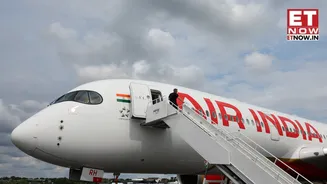
Early on Tuesday morning, a wave of flight delays swept through Mumbai's Chhatrapati Shivaji Maharaj International Airport, directly impacting operations
for Air India and its subsidiary, Air India Express. The cause was a sudden strike initiated by ground handling staff employed by Air India Air Transport Services Limited (AIASL). These essential workers, responsible for a myriad of airport services from baggage handling to aircraft maneuvering, were demanding a long-overdue revision of their wages. Reports indicate that their pay scales had remained stagnant for a considerable number of years, fueling significant discontent. The immediate consequence of the industrial action was a cascade of flight postponements, creating considerable frustration and uncertainty for a large number of passengers who found themselves stranded or facing drastically altered travel plans.
AIASL's Crucial Role
Air India Air Transport Services Limited (AIASL) plays an indispensable role in the smooth functioning of air travel, particularly for the Air India Group carriers. As a dedicated subsidiary, AIASL is entrusted with providing comprehensive ground handling support not only for Air India and Air India Express but also for a substantial roster of international airlines operating both domestically and at various international hubs. Their workforce, numbering around 20,000 employees across 84 airports nationwide, manages approximately 650 flights daily. This extensive operation accounts for a significant portion of air traffic, handling 35% of international services and a substantial 65% of domestic operations. The sheer scale of AIASL's involvement underscores the profound impact that any disruption to their services, such as a strike, can have on the entire aviation ecosystem, affecting passenger journeys and airline schedules across the board.
Passenger Frustration Mounts
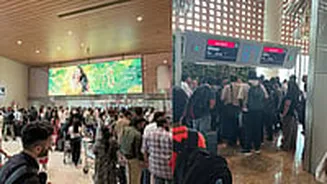
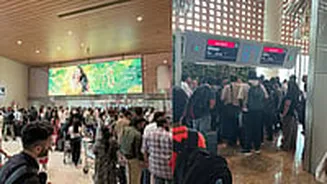
The repercussions of the AIASL strike were acutely felt by passengers at Mumbai airport, who endured extended waiting periods and mounting anxiety. Many travelers were observed congregating in departure areas, their faces etched with concern as they grappled with the uncertainty surrounding their flights. The lack of clear and timely information from airline authorities exacerbated their frustration, leaving them in a state of limbo regarding their travel itineraries. Reports from the airport indicated that at least 15 departing flights experienced delays, with some disruptions lasting between 90 minutes and two hours. This significant inconvenience highlights the vulnerability of air travel to labor disputes and the critical need for robust communication strategies during such events to mitigate passenger distress.
Negotiations and Resolution
In the wake of the protest, management from AIASL engaged in discussions with the striking employees in an effort to de-escalate the situation and find a path toward resolution. While the specifics of the negotiations remain somewhat opaque, with no formal statement released by the company regarding the strike's impact or mitigation efforts, sources suggest that assurances from management played a pivotal role in encouraging employees to return to work. AIASL's CEO, Rambabu, indicated that the company would thoroughly review the demands presented in writing by the protesting staff, examining them in accordance with existing company policies. This commitment to reassessment suggests a willingness from AIASL to address the underlying wage concerns, paving the way for a potential, albeit delayed, return to normalcy for Air India and Air India Express flight operations.