




Sprinkling vs. Cooking
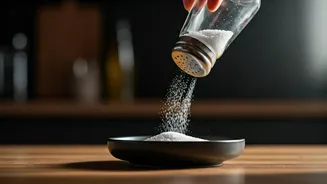
Actor Suniel Shetty, renowned for his dedication to fitness, revealed a peculiar yet effective method for managing his salt intake: he adds it only after
his food is cooked, never during. This technique is not just a personal preference but is supported by dietary experts. Dietitian Amreen Sheikh from KIMS Hospitals explains that adding salt at the end of the cooking process helps individuals control the amount they consume. When salt is incorporated during cooking, it infuses the entire dish, potentially leading to higher overall consumption. Conversely, sprinkling salt on the surface allows taste buds to register the saltiness more immediately with a smaller quantity. This means you can achieve a satisfying salty flavor without overloading your meal, making it easier to reduce daily sodium intake without feeling like your food is bland.
The Salt Debate
Many believe that pink salt, with its distinctive hue, offers superior health benefits over regular table salt. However, from a health perspective, both types of salt are chemically very similar. According to Dietitian Amreen Sheikh, while pink salt does contain trace minerals, the quantities are so minuscule that they do not contribute significantly to overall nutritional intake. The primary component in both regular and pink salt is sodium chloride, which is what impacts your body's sodium levels. Therefore, focusing on the quantity of salt consumed is far more crucial for health than debating the merits of different salt varieties. The body still processes the same amount of sodium, regardless of whether it comes from a white crystal or a pink one.
Daily Salt Limits
Understanding the recommended daily salt intake is vital for maintaining good health. For the average adult, it is advisable to limit total salt consumption from all dietary sources to no more than one teaspoon per day. This guideline becomes even more critical for individuals managing pre-existing health conditions. Those with high blood pressure, heart ailments, or kidney issues must exercise greater caution regarding their sodium intake. Simple yet effective strategies can help manage this: taste your food before adding salt, opt for fresh, unprocessed foods over packaged alternatives, and practice the habit of sprinkling a small pinch of salt only after cooking. These practices empower individuals to maintain a healthy sodium balance in their diet without drastically altering their eating habits.