






New Rail Connection Unveiled
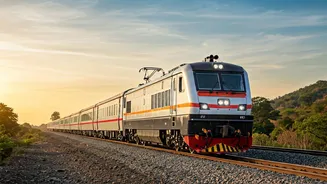
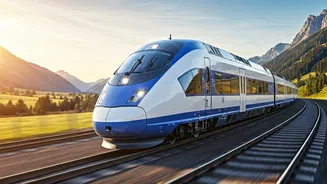
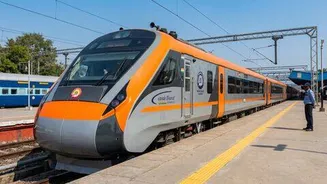
A significant leap in Jammu and Kashmir's rail infrastructure has been achieved with the commencement of commercial operations for the direct Vande Bharat
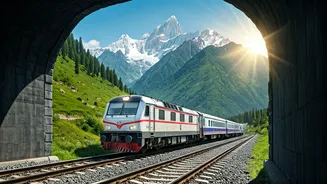
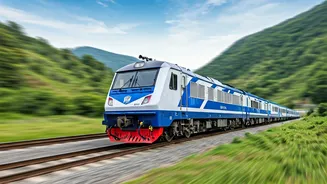
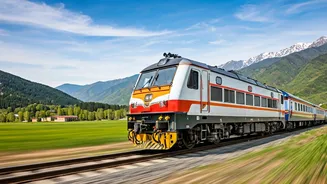
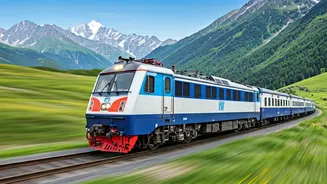
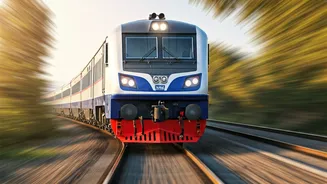
Express service between Jammu and Srinagar. This semi-high-speed train, recently inaugurated, is poised to dramatically shorten travel durations between these two key cities. It presents a crucial all-weather transit option, bypassing the often-interrupted Jammu-Srinagar highway (NH44), which is frequently subjected to disruptions from landslides and snowfall. This new service is a testament to Indian Railways' commitment to enhancing connectivity in challenging terrains, leveraging the ambitious Udhampur-Srinagar-Baramulla Rail Link (USBRL) project, renowned as one of the most intricate mountain railway undertakings in the nation.
Swift Journey Details
The Vande Bharat Express drastically redefines travel time between Jammu and Srinagar, reducing the journey to approximately five hours. This is a substantial improvement over the conventional road journey, which can take anywhere from seven to ten hours and is frequently impacted by adverse weather conditions and road closures on National Highway 44. The train’s route is intricately linked to the strategically vital Udhampur-Srinagar-Baramulla Rail Link (USBRL) project, an engineering marvel in mountain railway construction. This allows for a smooth and efficient passage through the varied and often challenging Himalayan landscape, ensuring passengers reach their destinations much quicker and with greater predictability.
Operational Schedule
The Vande Bharat Express is set to operate with impressive frequency, with two pairs of trains running six days a week between Jammu and Srinagar. Passengers can catch an early morning service departing Jammu Tawi around 6:20 am, arriving in Srinagar by approximately 11:10 am. The return journey commences from Srinagar in the afternoon, around 2 pm, reaching Jammu by the evening. This schedule is designed to maximize convenience for travelers. Key stations along the route include Shri Mata Vaishno Devi Katra, Reasi, and Banihal, providing access to these important locations and facilitating regional travel needs along this vital corridor.
Ticket Pricing Structure
For passengers opting for the Vande Bharat Express on the Jammu-Srinagar route, ticket prices are designed to be competitive. The Chair Car (CC) class starts at approximately Rs 665 to Rs 715, with the exact fare potentially varying based on the specific train service and booking classification. For those seeking enhanced comfort and amenities, the Executive Chair Car option is available at a higher fare. These prices reflect the modern amenities and speed offered by the Vande Bharat service, providing a premium yet accessible travel experience for passengers connecting the two significant cities.
Booking and Patronage
Securing a seat on the new Vande Bharat Express is straightforward, with multiple convenient booking channels available. Passengers can easily book their tickets through the official IRCTC website and its mobile application, or alternatively, visit railway reservation counters. Authorized third-party platforms like MakeMyTrip, Goibibo, and ConfirmTkt also offer booking facilities. The demand for this new service has been exceptionally strong since booking commenced, with initial services reportedly experiencing near-full occupancy, underscoring the public's enthusiastic reception and the perceived value of this enhanced rail connectivity.
Transformative Connectivity Impact
The introduction of the Vande Bharat Express marks a pivotal moment for connectivity within Jammu and Kashmir, extending its influence beyond mere passenger transport. This direct rail link is anticipated to be a significant catalyst for the region's tourism sector, drawing more visitors by offering reliable and swift access to the Kashmir Valley. Furthermore, it is expected to stimulate local trade and commerce by facilitating smoother movement of goods and people. The service promises to bolster year-round access to Kashmir, mitigating the travel uncertainties previously associated with the highway, and ultimately strengthening the economic and social fabric of the region. The engineering feat involved in constructing this rail corridor through challenging mountainous terrain, featuring numerous tunnels and high bridges, has been acknowledged by railway officials as one of India's most technically demanding rail projects.