






Sacred Shrines Unveiled
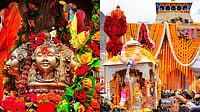
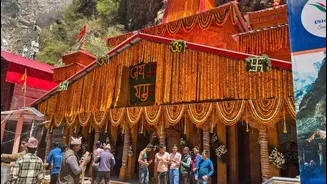
The revered Char Dham pilgrimage season for 2026 has officially commenced in Uttarakhand, with the divine doors of Gangotri and Yamunotri opening on Akshaya
Tritiya. This signifies the end of their six-month winter hibernation. Following these openings, the spiritual journey continues with Kedarnath and Badrinath also set to welcome devotees. These four sacred sites – Yamunotri, Gangotri, Kedarnath, and Badrinath – form the heart of this deeply significant Hindu pilgrimage, nestled amidst the awe-inspiring grandeur of the Himalayas. Each location is bathed in profound religious importance, surrounded by towering snow-clad peaks, cascading rivers, and picturesque mountain trails that amplify the spiritual experience for every pilgrim undertaking this sacred quest. The opening dates for 2026 are: Yamunotri (April 19 to November 11), Gangotri (April 19 to November 10), Kedarnath (April 22 to November 11), and Badrinath (April 23 to November 13), offering a limited window for devotees to complete their spiritual circuit.
Navigating the Pilgrim Path
The traditional Char Dham Yatra follows a specific westward-to-eastward route, beginning at Yamunotri, proceeding to Gangotri, then to Kedarnath, and culminating at Badrinath. This well-trodden path offers a structured spiritual progression. Most pilgrims commence their journey from major hubs like Haridwar, Rishikesh, or Dehradun, which are easily accessible via extensive road, rail, and air networks. From these starting points, the voyage involves navigating challenging mountain roads, often spanning several days to complete the entire circuit. For Yamunotri, the journey typically commences from Rishikesh, leading through Barkot to Janki Chatti, the last point reachable by motor vehicle. From Janki Chatti, a trek of about 5-6 kilometers is required to reach the temple, with options like pony and palanquin services available for those needing assistance. Gangotri, in contrast, is directly accessible by road via Uttarkashi, making its reach relatively simpler compared to Yamunotri. The trek to Kedarnath is notably the most strenuous, requiring travel to Gaurikund, followed by a steep 16-18 km hike. Helicopter services are an alternative for this segment, exclusively bookable through IRCTC. Badrinath, the final destination, is the most accessible, featuring direct road connectivity and eliminating the need for trekking, making it ideal for pilgrims with mobility concerns or the elderly.
Modern Travel Enhancements
For pilgrims seeking to optimize their time or opt for a more comfortable experience, contemporary travel solutions are available. Helicopter packages that encompass all four sacred shrines can be booked from Dehradun, dramatically reducing the travel duration and enabling the completion of the entire Yatra within a few days rather than extending over a week. These services provide a swift and efficient way to fulfill spiritual aspirations amidst demanding terrains. Beyond these convenience options, the 2026 Yatra introduces enhanced regulations aimed at preserving the sanctity and order of the pilgrimage. Specific entry restrictions have been put in place at Kedarnath, Badrinath, and Gangotri, potentially affecting access for non-Hindu visitors, while Yamunotri remains open to all faiths. Furthermore, to maintain the serene atmosphere within temple premises, the use of mobile phones and cameras has been strictly prohibited, encouraging devotees to be fully present in their spiritual observance. These measures collectively contribute to a more focused and respectful pilgrimage.
Safety and Registration Mandates
Elevated health and safety protocols are a paramount concern for the 2026 Char Dham Yatra. A mandatory medical check-up is now required for all pilgrims, with particular emphasis on individuals over 55 years of age or those with pre-existing health conditions such as heart disease, asthma, diabetes, or hypertension. To bolster safety measures, the state government has significantly improved the medical infrastructure along the pilgrimage routes. Official sources indicate that pilgrims will benefit from real-time tracking systems, supported by a network of doctors, paramedical staff, and volunteers stationed at various points. A robust fleet of 177 ambulances, including advanced life support units, has been deployed, complemented by a helicopter ambulance service operated by AIIMS Rishikesh to swiftly address any medical emergencies. Registration is a non-negotiable requirement for every pilgrim undertaking the journey. All travelers must complete an online registration process prior to their departure, submitting personal and vehicle particulars. This registration will be verified at each shrine, and pilgrims must carry their valid documentation along with pre-booked darshan slot tokens to ensure a seamless and organized pilgrimage experience. The official portal for registration is https://registrationandtouristcare.uk.gov.in/.
Preparation for the Pilgrimage
Despite advancements in facilities and administrative preparedness, the Char Dham Yatra remains a physically demanding undertaking. The extended travel periods on narrow, winding mountain roads, combined with the trekking required, particularly at Kedarnath, necessitate both physical stamina and mental fortitude. It is strongly advised that pilgrims pack essential items, including any prescribed medications, waterproof gear, warm clothing suitable for varying altitudes, and sturdy, comfortable footwear. Beyond the logistical considerations, the Char Dham Yatra promises an unparalleled spiritual and visual feast, guiding travelers through some of India's most breathtaking natural landscapes. For those planning to embark on this sacred journey in 2026, meticulous preparation, strict adherence to all guidelines, and a profound respect for the delicate Himalayan environment are crucial elements for ensuring a safe, fulfilling, and spiritually enriching experience.