







Fatal Clot Revealed
The autopsy report for Prateek Yadav, who tragically passed away after collapsing during a cricket match, has brought to light the definitive cause of
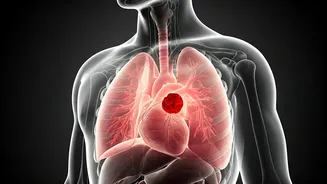
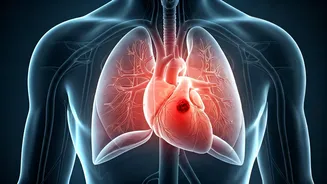
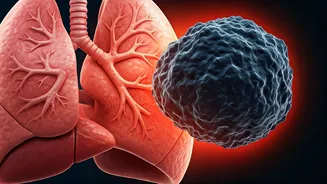
his demise. Medical examiners have concluded that he experienced a sudden 'cardiorespiratory collapse,' a critical event directly linked to a 'massive pulmonary thromboembolism.' This medical term signifies the presence of an exceptionally large blood clot that severely obstructed the normal flow of blood within the lung's arteries. Such a blockage would have drastically impaired the lungs' ability to supply oxygen to the body, leading to an abrupt and catastrophic failure of both the heart and the respiratory system. The findings strongly suggest that Yadav was in a dire state, grappling with a severe pulmonary thromboembolic condition at the precise moment of his death. This condition, when a blood clot lodges in the lung arteries, can be rapidly fatal, especially if the clot is extensive enough to cause immediate systemic collapse.
Understanding Pulmonary Embolism
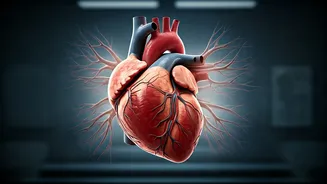
Medical professionals explain that pulmonary thromboembolism, the condition diagnosed in Prateek Yadav's case, typically originates from deep vein clots, most commonly forming in the lower extremities like the legs. These clots can then dislodge and travel through the bloodstream until they reach the arteries supplying the lungs. Once lodged, they impede blood circulation, preventing oxygen from being effectively transported to vital organs. The severity of this condition can vary, but when the clot burden is significant, as indicated in Yadav's report, it can lead to an extremely rapid onset of symptoms. Patients might experience sudden and intense breathlessness, sharp chest pain, dizziness, and a complete physical collapse within mere minutes. In the most extreme scenarios, this can swiftly progress to cardiac arrest. The autopsy report highlighted that the entire heart, alongside the identified pulmonary thromboembolic material, was meticulously preserved in formalin. This preservation is crucial for detailed histopathological examination, which aims to precisely determine the nature, age, and source of the clot, as well as any associated pathological changes within the cardiovascular system.
Ongoing Investigations
To further solidify the findings and provide a comprehensive understanding of the circumstances surrounding Prateek Yadav's death, several forensic and laboratory analyses are currently in progress. The viscera samples, which include internal organs and bodily fluids, have been carefully preserved and submitted to the relevant authorities for detailed chemical analysis. These tests are vital for detecting any potential underlying toxicological factors or other substances that might have contributed to or been associated with the collapse. Officials have indicated that the final, conclusive medical opinion in this case will be formulated only after the results from both the histopathological examination of the preserved heart and clot material, and the forensic laboratory examinations of the viscera are fully completed and analyzed. Meanwhile, preliminary observations from the autopsy report noted that all injuries found on Yadav's body were classified as 'antemortem,' meaning they occurred prior to his passing. Experts suggest that some external marks may have resulted from trauma sustained during the collapse itself, rather than from any external assault. The report specifies Yadav was 28 years old and the incident occurred on March 10, with the post-mortem conducted the following day, March 11.