





A Tourism Transformation
Recent data reveals a remarkable transformation in Lakshadweep's tourism landscape, showcasing a significant upswing in visitor numbers. In 2020, the islands
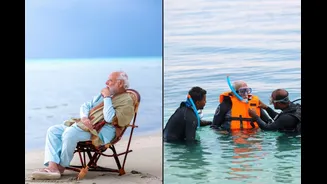
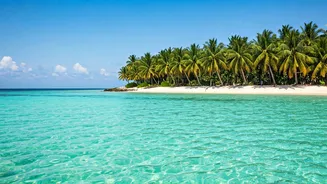
welcomed a modest 3,875 tourists. However, by 2024, this figure had soared to an impressive 68,328. This dramatic increase, particularly the sharpest growth occurring after Prime Minister Narendra Modi's visit in January 2024, suggests a strong correlation between his public engagement and the surge in travel interest. The Prime Minister's social media posts featuring the pristine beaches and inherent tourism potential of Lakshadweep appear to have resonated deeply with the Indian populace. This phenomenon underscores how effectively his messaging can influence public perception and, consequently, destination choices, turning a relatively niche location into a focal point for domestic travel.
Modi's Appeal and Impact
Prime Minister Modi's consistent advocacy for domestic tourism, coupled with his recent emphasis on conserving resources amid global economic uncertainties, has found a compelling case study in Lakshadweep. His exhortations for Indians to curtail foreign travel, minimize fuel consumption, and reduce discretionary spending have been met with a notable response. The aforementioned RTI data indicates that Lakshadweep saw its tourist arrivals climb from 46,551 in 2023 to 68,328 in 2024, marking a substantial increase of nearly 47 percent within a single year. This trend directly mirrors the Prime Minister's call to explore Indian destinations and support local economies, demonstrating a tangible behavioral shift among a segment of the population.
Maldives Contrast Emerges
The burgeoning popularity of Lakshadweep has coincided with a conspicuous decline in Indian tourist footfall to the Maldives, an island nation often perceived as a competing luxury destination. Statistics from the Maldives' Ministry of Tourism show a significant drop in Indian visitors, falling from 209,193 in 2023 to 130,805 in 2024, a decrease of 37.5 percent. This downturn has caused India to slip from its previous standing as one of the Maldives' primary source markets, now ranking sixth. This inverse trend serves as a powerful illustration of how a concentrated nationalistic and economic appeal, amplified by public figures and influencers, can divert travel preferences from international hotspots to domestic alternatives.
Amplification and National Symbol
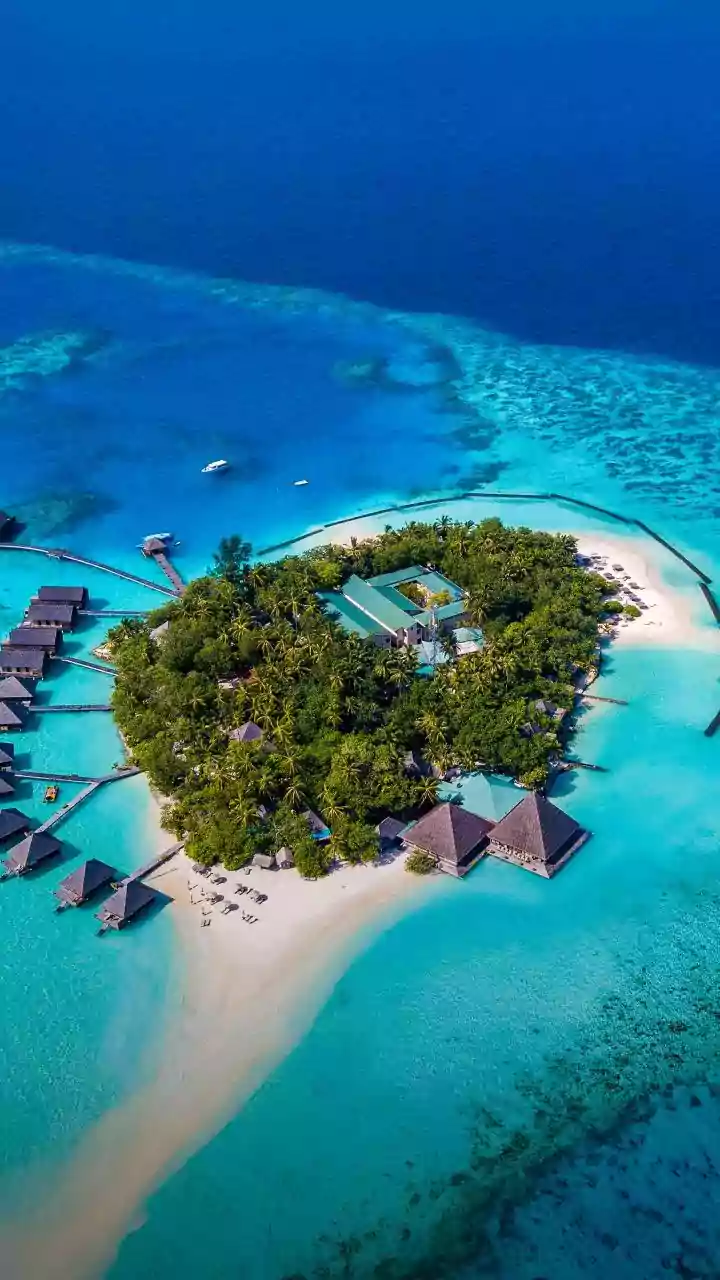
Following Prime Minister Modi's influential posts showcasing Lakshadweep's allure, a broader campaign to promote the archipelago gained momentum. This initiative was amplified by numerous celebrities, social media influencers, and various travel platforms. What was once a lesser-known destination, despite its clear parallels with the Maldives, rapidly transformed into a potent symbol of national tourism pride. This collective effort, fueled by the initial spark from the Prime Minister's personal endorsement, played a crucial role in elevating Lakshadweep's profile and attracting a significant influx of domestic travelers, underscoring the power of coordinated influence in shaping travel trends.
Economic Uncertainty Response
The heightened interest in Lakshadweep gains particular relevance in light of recent calls by Prime Minister Modi for citizens to adjust their consumption habits amid global economic volatility, specifically influenced by events like the Iran conflict. His recent appeals to avoid non-essential international travel, reduce fuel usage, and postpone major purchases like gold are aimed at conserving foreign exchange reserves. The Lakshadweep tourism surge provides a compelling example that when the Prime Minister combines political messaging with a nationalist economic rationale, it can translate into measurable shifts in public behavior and spending patterns, demonstrating a capacity for significant impact on consumer choices.