



The Literary Accessory
A fascinating new fashion movement is weaving literature into the very fabric of our accessories, making intellectual pursuits a visible statement of personal
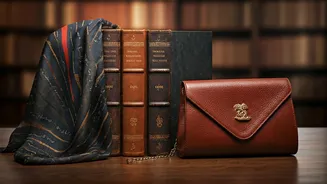
style. This trend, sometimes dubbed 'Coach Dior,' sees miniature book charms and literary-inspired designs adorning everything from handbags to jewelry, effectively turning beloved novels and classic texts into covetable fashion items. It's not merely about aesthetic appeal; these pieces serve as subtle yet potent indicators of a wearer's sophistication and cultural awareness. Brands are tapping into a historical connection between creative arts, where fashion has long drawn inspiration from narratives and vice versa, but this contemporary approach elevates it by directly integrating literary elements. These items are designed to resonate with consumers seeking deeper meaning and connection, transforming everyday objects into emblems of intellectual capital and refined taste, thus redefining what it means to be fashionable in today's discerning market. The allure lies in the storytelling and the intellectual cachet these pieces impart, making them more than just adornments but conversation starters and identity markers for the modern individual.
Symbolism and Status
The appeal of these literary accessories transcends their physical form, delving into the realm of symbolism and status. Book charms, often no larger than a few inches, are meticulously crafted to resemble miniature novels, complete with recognizable covers or spines. While not intended for actual reading due to their size and price point, their value lies precisely in what they represent: an affinity for literature, a contemplative nature, and an appreciation for intellectual pursuits. Brands are strategically leveraging this by launching collections that align with contemporary cultural shifts, particularly the growing interest among younger generations in long-form content and introspection. Campaigns often feature influential figures, from actors to musicians, who embody this blend of creativity and intellectualism, further amplifying the message. These accessories become a form of curated self-expression, allowing individuals to broadcast their personal narratives and values through their chosen adornments, positioning reading and intellectual engagement as aspirational lifestyle choices within the broader fashion landscape.
Narratives in Design
Beyond simple charms, the literary fashion trend encompasses a broader spectrum of design interpretations. Some luxury houses are reimagining iconic book totes by embroidering them with the first-edition covers of seminal literary works, thereby connecting contemporary fashion with literary history and archival significance. These pieces often carry layered meanings, with critics interpreting certain literary choices, like the cover of Bram Stoker's 'Dracula,' as subtle commentaries on historical societal anxieties such as immigration. This approach elevates the fashion item from mere decoration to a potential conversation piece, prompting reflection on deeper themes and the evolution of cultural narratives. The trend also reflects a growing desire among consumers for experiences and meaning, with brands seeking to forge deeper connections by associating their products with the rich worlds of literature. It’s a sophisticated strategy that imbues fashion with narrative depth, transforming garments and accessories into wearable stories that resonate with a consumer base increasingly valuing substance and cultural relevance.
Cultural Impact and Replication
The influence of this literary fashion trend is undeniable, with its effects rippling across global markets, including India, where it is predicted to find a particularly receptive audience. In India, luxury brands often see their symbolism democratized through widespread replication, suggesting that literary imagery might gain broader circulation via more accessible replicas than through the original high-end items. This phenomenon highlights a unique cultural dynamic where aspirational elements are absorbed and adapted by a wider populace. Moreover, the rise of platforms like BookTok and Bookstagram has already transformed reading into a public display of identity, making the physical embodiment of literary interest through fashion an almost inevitable progression. While some critics debate whether these accessories genuinely encourage reading or merely promote the appearance of being well-read, there's a consensus that this trend keeps literature socially relevant by making it visible and fashionable. This visibility, even if symbolic, can serve as an initial gateway, fostering engagement with literary culture in new and accessible ways, particularly for a generation that values self-expression and curated personal identity.