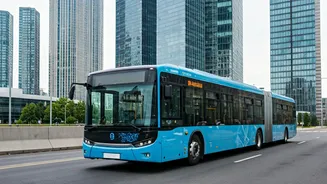

E-Buses: A Green Initiative
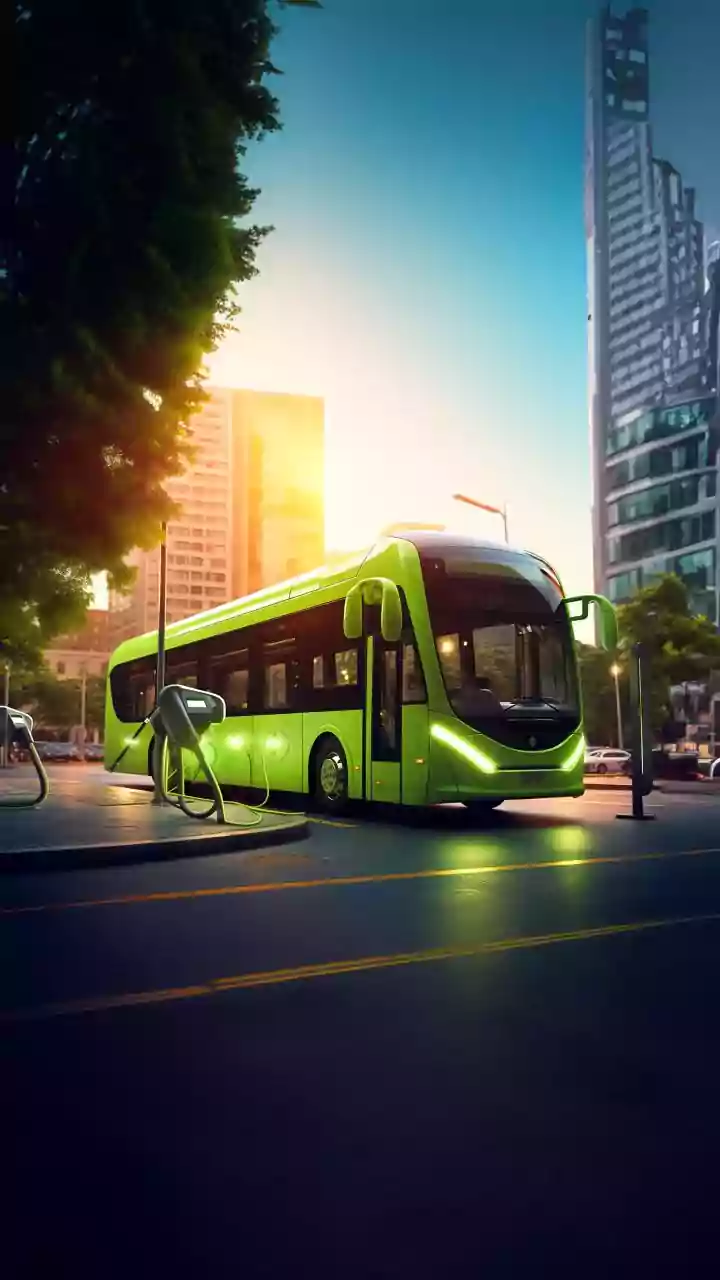
The Delhi government is actively pursuing the augmentation of its public transportation fleet with a significant emphasis on environmental sustainability.
A pivotal step in this direction involves a formal communication with the Central government, wherein a request has been made for the provision of 3,300 electric buses. This ambitious endeavor is strategically aligned with the broader objective of strengthening the green public transport infrastructure within the city. The introduction of these electric buses represents a crucial stride in reducing the carbon footprint associated with urban transportation, as they emit zero tailpipe emissions. This move underscores the government's commitment to improving air quality and promoting a healthier environment for the city's inhabitants. Furthermore, the integration of a substantial number of e-buses is anticipated to enhance the efficiency and appeal of public transport, thereby encouraging a larger segment of the population to opt for sustainable commuting choices, ultimately alleviating traffic congestion and lessening the strain on existing road networks.
Dwarka Expressway Demands
As part of the evolving transportation narrative in Delhi, residents situated along the Dwarka Expressway are proactively seeking enhanced public transport options to address their specific commuting needs. Their primary aspiration centers on the establishment of feeder bus services. These services are intended to act as essential links, facilitating seamless connectivity between the residents' residences and key transport hubs, namely, metro stations and intercity public transport terminals. Such improvements would drastically enhance the convenience and practicality of their daily travels. Currently, residents are actively voicing their requirements for more efficient and readily accessible transport solutions to reduce dependency on personal vehicles. By pushing for strategic improvements, such as feeder bus networks, inhabitants hope to streamline their daily commutes, thereby contributing to a better quality of life and fostering a more sustainable approach towards urban mobility. This focus on local transportation infrastructure highlights a community-driven initiative for improved urban connectivity.
Enhanced Connectivity: Plans
To further elevate the commuting experience, particularly for individuals traveling between Delhi and Gurgaon, significant infrastructure projects are underway. An important development in this sphere involves the construction of a double-decker corridor situated along MB Road. The timeline for the completion of this extensive project has been set, with an anticipated operational start by the year 2027. This innovative transport solution is intended to dramatically improve the commute times and ease the movement of commuters traveling between these two major urban centers. Such initiatives are specifically designed to reduce congestion on busy roads and offer a more efficient alternative for travelers. This strategic infrastructure development underscores the commitment to modernizing the transport network, thus reflecting the ongoing efforts to provide better and more effective public transport solutions for the region's inhabitants.