






Overall Water Status
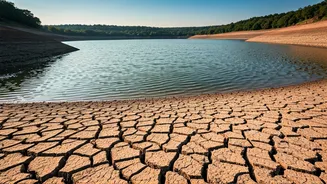
Maharashtra's reservoirs currently boast a water storage of 40.50%, a noticeable improvement from the 34.63% recorded at this time last year. This figure,
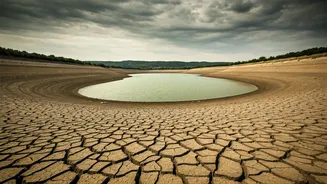
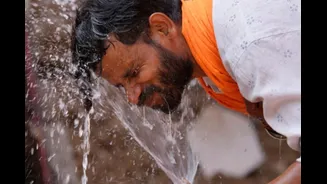
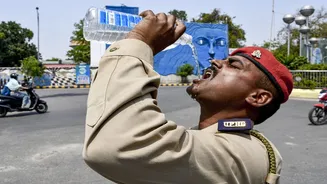
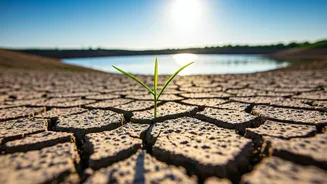
however, represents a sharp drop from the near-full capacity of 90-100% observed at the conclusion of the 2025 monsoon season. Despite the year-on-year increase, state officials are maintaining a vigilant stance due to the substantial decrease in water levels as summer progresses and demand escalates. The state's total water storage capacity spans 37,000 million cubic meters (MCM) across 3,600 reservoirs. As of April 15, these reservoirs held 17,000 MCM, equating to 46% of their total capacity, a significant jump from the 36% recorded for the same period in the preceding year. The India Meteorological Department (IMD) has projected a hotter summer, with temperatures potentially exceeding normal by 0.5 to 1 degree Celsius, which is expected to amplify water consumption across agricultural, domestic, and industrial sectors.
Regional Water Stress
Regionally, the Pune district emerges as the most water-stressed area, with its reservoir storage at a critical 32.99%. While this is a slight increase from last year's 28.64%, it highlights the persistent challenges faced by the region. In contrast, Nashik reports a storage of 42.69%, Konkan at 43.62%, Nagpur at 44.18%, Chhatrapati Sambhajinagar at 45.18%, and Amravati at 49.62%. The Khadakwasla dam cluster, serving Pune, comprises Khadakwasla, Panshet, Warasgaon, and Temghar. This cluster currently holds 10.41 TMC of water, representing 35.70% of its capacity, a slight improvement over the 9.14 TMC (31.37%) from the previous year. Officials project this current stock to be sufficient until approximately August 10, emphasizing the need for careful management.
Conservation Measures
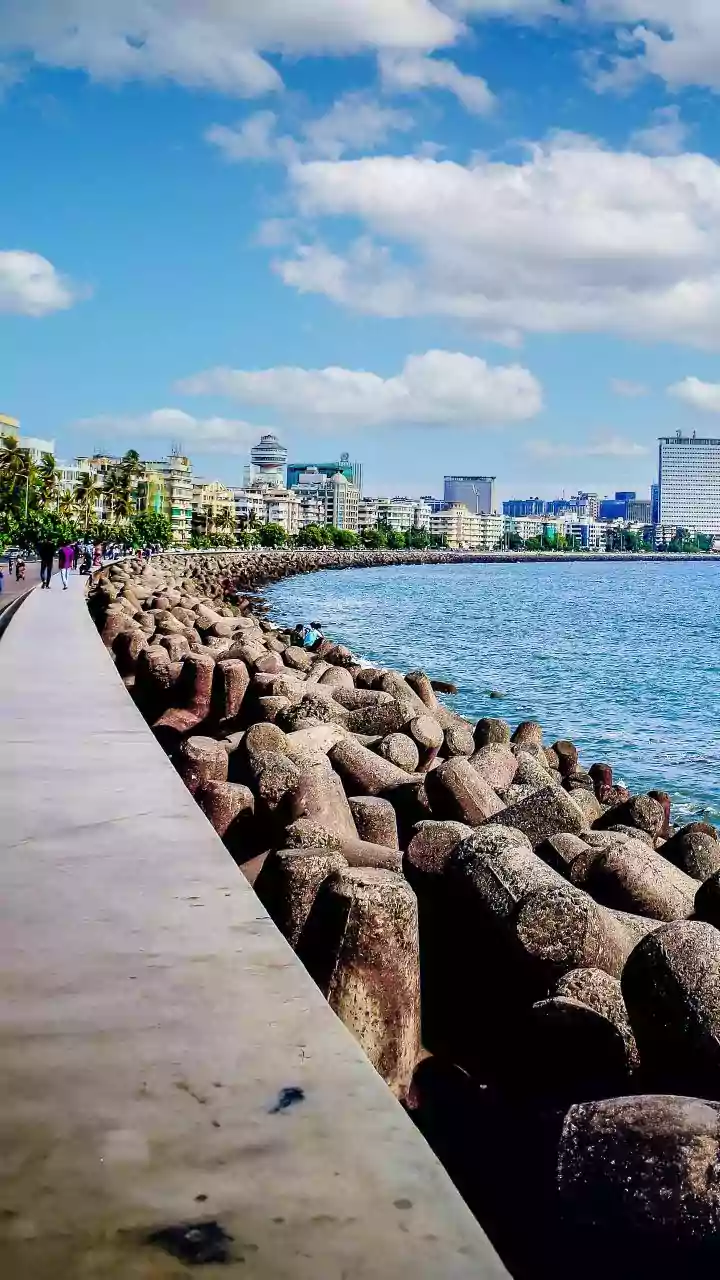
In response to the mounting water stress, civic bodies are proactively implementing conservation measures. In Pune, although no direct water cuts have been announced yet, the irrigation department has strongly advised the Pune Municipal Corporation (PMC) to adopt stringent water management practices and controlled usage to ensure supply throughout the summer. Officials have communicated the necessity of prudent water management to the PMC. Meanwhile, the Brihanmumbai Municipal Corporation (BMC) in Mumbai has already declared a 10% water cut, effective from May 15, signaling an early emphasis on water conservation. The BMC has also formally requested additional carryover storage from the state government, seeking 147 million cubic meters from the Bhatsa lake and 90 million cubic meters from the Vaitarna lake, totaling 237 million cubic meters as a crucial buffer.
Monsoon Impact and Outlook
The comfortable water buffer at the start of the current summer season was largely due to the early onset and sustained rainfall of the southwest monsoon in 2025. This resulted in reservoirs across the state reaching near-full capacity. However, the subsequent steady decline in water levels, exacerbated by a harsher-than-anticipated summer leading to increased demand, has put a strain on resources. Adding to the concern, the India Meteorological Department (IMD) has indicated the potential for El Niño conditions, which are historically associated with below-normal monsoon rainfall in India. This forecast introduces uncertainty regarding the future replenishment of reservoirs, underscoring the critical importance of efficient water usage and the timely implementation of conservation strategies in the coming months.