






The Cooking Connection
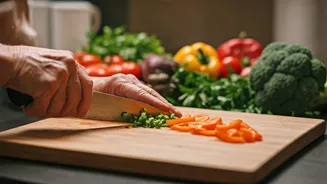
Emerging research indicates a promising association between the frequency of home cooking and a reduced likelihood of developing dementia among older individuals.
A significant study involving nearly 11,000 Japanese adults, aged 65 and above, tracked participants for six years. The findings revealed that those who engaged in home cooking at least once a week experienced a substantially lower incidence of cognitive decline compared to their less frequent cooking counterparts. Specifically, men who cooked regularly showed a 23% lower risk of dementia, while women exhibited a 27% reduction. Particularly striking were the benefits for individuals new to cooking, who saw a remarkable 67% lower chance of developing dementia, suggesting that adopting this habit can be profoundly impactful, regardless of prior experience.
Beyond the Kitchen
The implications of regular home cooking extend far beyond mere meal preparation, offering a multifaceted approach to brain health. Experts emphasize that cooking is an inherently cognitively demanding activity, requiring intricate planning, ingredient selection, recipe comprehension, and sequential execution. This mental engagement acts as a form of brain exercise, keeping cognitive functions sharp. Furthermore, home cooking naturally encourages healthier dietary choices, often involving more whole foods and fewer processed items, which research also links to better cognitive function. The act of cooking can also foster social connections and promote physical activity, contributing to an overall healthier lifestyle that collectively supports brain well-being. This holistic combination of nutritional, physical, and cognitive benefits makes home cooking a powerful, yet accessible, tool for risk reduction.
Understanding the Link
While a strong correlation has been identified between regular home cooking and a lower risk of dementia, it's crucial to understand that this study highlights an association, not a definitive cause-and-effect relationship. The research, conducted on a specific demographic of older Japanese adults, doesn't definitively prove that the act of cooking itself prevents dementia. Instead, it suggests that the lifestyle and habits often accompanying home cooking may contribute to the observed benefits. This is particularly relevant given that approximately 40% of dementia cases are considered preventable through modifications in lifestyle factors like diet and exercise. Therefore, while cooking is a potent lifestyle factor, its impact is likely intertwined with other healthy practices, underscoring the importance of a comprehensive approach to cognitive health maintenance in aging populations.