








Body's Midlife Evolution
As we journey through our late thirties and into our forties and fifties, our bodies naturally undergo significant transformations that can influence our fitness
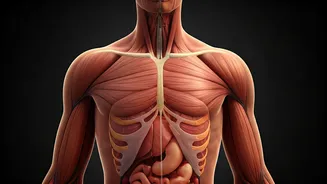
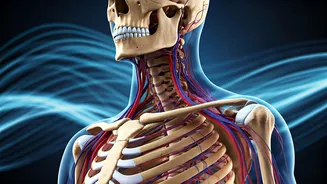
endeavors. There's a gradual, yet noticeable, reduction in muscle mass and strength, coupled with a decrease in the elasticity of our tendons. This means our connective tissues are less forgiving. Furthermore, the body's capacity to repair microscopic damage, a crucial aspect of recovery after exercise, begins to slow down. Joint cartilage also experiences wear and tear, and for many, especially women, bone density may diminish. These combined factors make us more susceptible to strains, sprains, and overuse injuries, even if our previous workout regimens were once well-tolerated. Hormonal fluctuations can also play a role, affecting resilience and making tissues less capable of handling sudden intense demands. Therefore, activities that were once routine can now pose a greater risk if not approached with careful consideration for these physiological changes.
Common Workout Pitfalls
A prevalent misstep for individuals in their forties and beyond is attempting to replicate the same training intensity and recovery expectations from their younger years. Many bypass the crucial step of a structured warm-up, underestimate the necessity of mobility exercises to maintain range of motion, and push too hard, too fast, increasing weights or workout intensity prematurely. There's also a common tendency to disregard early signals of distress, such as persistent muscle soreness or joint discomfort, which can unfortunately escalate into more serious and debilitating injuries. Sporadic training patterns, swinging between periods of inactivity and sudden bursts of high-effort activity, further amplify the likelihood of experiencing a setback. This inconsistency, combined with the body's altered recovery capabilities, creates a perfect storm for potential injury, making mindful progression and consistent, appropriate effort essential.
Designing Your Midlife Plan
Crafting an effective and secure fitness regimen during your forties and fifties hinges on a strategic blend of strength training, mobility work, and controlled cardiovascular exercise. Strength training is paramount for preserving lean muscle mass, which in turn supports joint stability and metabolic function. Meanwhile, dedicated mobility exercises are vital for maintaining flexibility and preventing the stiffness that can creep in with age. When engaging in strength work, the focus should be on controlled, deliberate movements that mimic functional patterns of daily life, supported by adequate protein intake to aid muscle repair and sufficient rest. For cardiovascular health, low-impact options like brisk walking, cycling, or swimming offer excellent benefits without placing undue stress on joints. Crucially, prioritizing rest and recovery is non-negotiable, as your body's ability to heal has shifted. Respecting these recovery periods is key to long-term adherence and significantly reduces the risk of injury, ensuring you can continue to pursue your fitness goals safely and sustainably.