





Preparing for Winter's Bite
As winter's grasp tightens, horticulturists must proactively prepare their gardens to safeguard against the damaging effects of the cold. The coming days
will be harsher. This includes assessing the existing plant health and identifying vulnerable species. One crucial step is to provide adequate protection. Utilizing methods such as mulching around plant bases can help insulate the roots. This protects them from freezing temperatures. It is also important to consider the microclimates within the garden, recognizing that certain areas are more exposed to the elements than others. Furthermore, proper pruning, removing dead or diseased foliage, is critical before winter arrives. Removing such elements can help minimize the potential for disease spread during the colder months, ensuring plants are in optimal condition to face the winter.
Protecting Diverse Plant Types
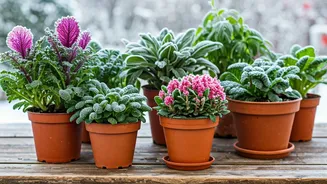
Different plant types require tailored winter care strategies. Deciduous trees, for instance, benefit from a layer of mulch around their base to protect their root systems. This insulation helps prevent the soil from freezing. Evergreen trees and shrubs may need protection from strong winds and heavy snow. This can be achieved by using windbreaks or temporary coverings. For tender plants, such as those that are sensitive to frost, consider moving them indoors or into protected areas like greenhouses or cold frames. Container plants are especially susceptible to freezing, as their roots are exposed. These plants need extra protection like insulation and sheltered locations. Monitoring plants frequently for signs of stress, such as leaf discoloration or wilting, is vital. It allows horticulturists to address any issues promptly and adapt their care strategies as needed.
Mulching and Soil Care
Mulching is an essential practice for winterizing gardens. Applying a layer of organic mulch, such as straw, wood chips, or compost, around the base of plants offers multiple benefits. Mulch acts as an insulator, moderating soil temperatures and preventing rapid fluctuations. This helps protect roots from freezing and thawing cycles, which can damage them. Mulch also helps retain soil moisture, which is crucial during the dry winter months. It also suppresses weed growth, reducing competition for resources. The choice of mulch depends on the plant type and the local climate conditions. Ensuring that the mulch layer is not too thick. This helps prevent fungal diseases. Mulch should be applied after the soil has cooled down, but before it freezes. This will maximize its protective benefits. Proper soil care also involves assessing soil drainage and amending the soil with compost. This further enhances its ability to support plant health throughout the winter season.
Watering Wisely in Winter
Watering practices must adjust during the winter months. As temperatures drop, plants' water needs decrease significantly. Overwatering can lead to root rot and other issues. It's essential to monitor the soil moisture and water plants only when necessary. During dry spells, even in winter, plants may need occasional watering. This is particularly true for evergreens and container plants. Water plants deeply, rather than frequently, to encourage deep root growth. Avoid watering during freezing temperatures. Water during the warmer part of the day so the plants have time to absorb it before nightfall. Reducing water stress through proper watering can help plants withstand the winter conditions. This practice will also help ensure they are healthier and more resilient when the growing season begins again.
Dealing with Frost and Snow
Frost and snow can pose significant challenges for plants during winter. Frost damage, which happens when ice crystals form within plant cells, can kill or damage plant tissues. Several strategies help to mitigate the harmful effects of frost. Covering vulnerable plants with frost cloths or burlap can provide protection. These covers trap heat and shield plants from direct exposure. Avoid using plastic sheeting, as it can trap moisture and increase the risk of fungal diseases. Removing snow from the branches of trees and shrubs, particularly those with heavy foliage, helps prevent the branches from breaking under the weight. Gently shaking off the snow can prevent damage. If snow persists, consider supporting branches with stakes. This is particularly useful for evergreens. Early morning frost can be especially damaging. Watering plants before frost is predicted can reduce the severity of the damage. This helps insulate the plant cells.
Disease and Pest Management
Winter's cold may slow pest and disease activity, but vigilance remains important. Several diseases and pests can overwinter on plants. Early in winter, clean up fallen leaves and plant debris, as these can harbor diseases and pests. Pruning and removing infected or infested plant parts helps prevent the spread of diseases and pests. Proper air circulation and sunlight exposure can also reduce the risk of disease. Using appropriate dormant oil sprays can control overwintering pests on trees and shrubs. Applying the sprays during the dormant season reduces the risk of harming beneficial insects. Regularly inspect plants for signs of pest or disease, such as unusual spots, wilting, or insect infestations. Take quick action if any problems are detected. Addressing these concerns will ensure that the plants will be healthier and well-prepared to grow throughout the spring season.