
EU Trade Deal
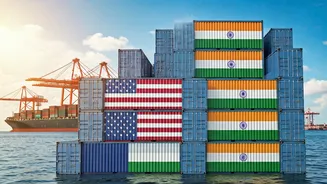
Scott Bessent's assessment of India's 'great trade deal' with the EU offers a focal point for understanding current economic strategies. This agreement
took shape while disagreements over tariffs involving the United States were also emerging. This implies that the deal has potential consequences on the global trade scenario. Discussions around the trade agreement often emphasize aspects like reduced tariffs and expanded market access. Considering the backdrop of other trade challenges, it becomes critical to understand how this deal can change the dynamics of India's trade practices. This is especially true since the agreement may provide India with a strategic advantage in the world markets, as well as influencing its relationships with other global partners.
Rupee's New Low
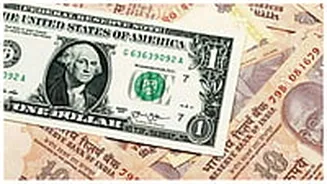
The value of the Indian Rupee has reached a new low, trading at 91 per dollar as the 2026 budget approaches, intensifying the worries about economic stability. This devaluation has come about due to threats of tariffs from the US, which could potentially disturb the financial markets. The devaluation could impact imports and potentially spur inflation, affecting the purchasing power of consumers and businesses. Government measures to stabilise the Rupee may involve interventions in the foreign exchange market. The weakening of the Rupee reflects broader uncertainties, prompting economists to watch for future policy initiatives. These initiatives will be pivotal in managing India's financial affairs during an era of significant global economic volatility.
Equity Norms Controversy
The introduction of the new UGC 2026 equity norms has triggered significant controversy, drawing protests across India. These guidelines, aimed at promoting fairness, have stirred strong responses from students. The protests show concerns about the possible effects of the changes on various student groups. The specifics of the new norms have yet to be disclosed and are likely the main subject of the objections. Public response indicates that the norms would need to be reevaluated and modified, which may require additional steps from the education authorities. The debates over the UGC's equity rules expose fundamental concerns about access, equity, and fairness in India's education systems, which will probably bring about important debates about the future of education.