
Budget Overview
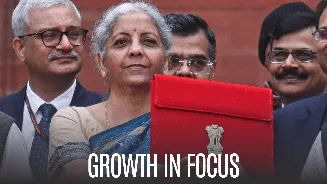
The Union Budget 2026, presented by Nirmala Sitharaman, brought forward major announcements focusing on economic growth and development across several
sectors. A significant focus was placed on sectors like defense, education, and railways, along with changes in income tax regulations. The budget aimed at driving reforms and encouraging capital expenditure to stimulate the economy. The Finance Commission retained a 41% tax share for states and encouraged output-linked spending along with fiscal discipline. The budget also supported manufacturing, logistics, and Special Economic Zone (SEZ) reforms to boost shipments, as stated by the Commerce Secretary. The overall intent was to bolster long-term growth prospects, as highlighted by the DEA Secretary.
Defense Allocation
The defense sector received a substantial boost in the Union Budget 2026. The defense budget jumped to Rs 7.85 lakh crore, with Rs 2.19 lakh crore allocated for modernization efforts. This significant allocation highlights the government's commitment to strengthening national security and modernizing military capabilities. The increased funding is expected to support the procurement of advanced weaponry, infrastructure development, and overall enhancement of defense preparedness. This strategic investment underscores the importance of maintaining a strong defense system to safeguard national interests and address emerging security challenges. The budget reflects a proactive approach to ensuring the country's defense readiness.
Education Initiatives
The Union Budget 2026 included provisions that focused on bolstering the education sector. While details about specific allocations and initiatives are still emerging, the commitment to education is apparent. The budget reflects a continuous government effort to enhance educational infrastructure and improve learning outcomes. The emphasis on education aligns with the long-term goal of fostering human capital development and supporting economic progress. Further specifics, related to the education budget, will likely provide insight into specific areas of focus, such as improvements to infrastructure, teacher training programs, and the adoption of new technologies in the education system.
Income Tax Changes
The Union Budget 2026 introduced substantial changes to income tax regulations, which have a direct effect on individual taxpayers. The implementation of a new Income Tax Act, which came into effect from April, brought with it a comprehensive reset of compliance requirements. While there were no changes to the existing tax slabs, the government focused on streamlining the tax system. This involved updating procedures and potentially simplifying the compliance process. Additionally, the budget introduced a new PAN-based challan system for the sale of properties, replacing the existing TAN system for TDS, effective from October. These changes reflect an ongoing effort to make the tax system more user-friendly and efficient.
Economic Impact
The Union Budget 2026 is poised to have a wide-ranging impact on the Indian economy, influencing various sectors and financial markets. The budget's emphasis on infrastructure development, as well as the push for manufacturing and logistics through SEZ reforms, is likely to encourage economic growth and create job opportunities. The enhanced defense spending should support related industries and boost technological innovation. The measures proposed in the budget are expected to bolster investor confidence, which could drive activity in the stock market. Economic analysts will be keenly watching the budget's effect, including its impact on inflation, economic growth, and the overall financial climate, as well as the rupee's performance.
Other Highlights
Beyond the major announcements, the Union Budget 2026 also included several other notable points. There were various discussions regarding the impact on gold and silver prices. The budget aimed at supporting long-term economic growth prospects. Nirmala Sitharaman’s budget speech was watched with great interest. The budget is crucial for the Indian economy, outlining key financial allocations and policy directives that set the course for economic development. The government's focus areas, including education, infrastructure, and reforms, clearly reflect the goals for the upcoming year.