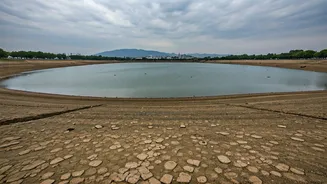

Lake's Degradation Under Scrutiny
The Supreme Court's severe criticism arose due to the detrimental impact of builder mafias on Chandigarh's Sukhna Lake. The lake, a vital ecological and recreational
asset, has suffered from the repercussions of unregulated construction and associated activities. The court’s intervention underscores a broader concern about environmental degradation caused by construction projects. The judgment emphasizes the urgent requirement for stricter regulations and a commitment to preserving natural resources. This case highlights the necessity of holding those responsible for environmental damage accountable and stresses the importance of sustainable development practices.
Builder Mafias’ Actions
The builder mafias’ actions, which drew the ire of the Supreme Court, encompass various activities contributing to the lake’s destruction. These include unauthorized construction, inadequate waste management, and the alteration of the natural landscape, which has led to soil erosion and pollution of the water body. The court has taken serious note of these activities, viewing them as a clear violation of environmental laws. The court's stance suggests a zero-tolerance approach towards illegal activities that jeopardize the preservation of natural assets like the Sukhna Lake. The builders' actions not only directly harm the lake but also affect the overall ecosystem, impacting biodiversity and water quality.
SC's Strong Response
The Supreme Court's response to the situation has been resolute, with the court issuing strong remarks against the builder mafias. The court's criticism reflects the gravity of the environmental damage and the inadequacy of previous measures to prevent it. This decisive action signals a determination to protect Sukhna Lake and ensure the enforcement of environmental regulations. The court's involvement emphasizes the judiciary's role in safeguarding natural resources and holding those responsible for their destruction accountable. The court's intervention is seen as a crucial step towards initiating necessary reforms and ensuring the lake's restoration and long-term protection.
Impact on Chandigarh
The Supreme Court's actions will significantly influence Chandigarh, particularly in terms of urban planning and environmental protection. The court’s intervention is likely to lead to a re-evaluation of construction projects and stricter environmental guidelines. This case could establish a precedent for similar situations across the country, highlighting the significance of sustainable development. The impact includes increased scrutiny of building activities, stricter enforcement of environmental laws, and greater awareness among the public. The measures taken as a result of the court's stance can help safeguard the Sukhna Lake, as well as the broader environmental health of Chandigarh and ensure the future well-being of its residents.
Preserving the Lake
Protecting Sukhna Lake involves a combination of legal, environmental, and community-based efforts. Effective preservation requires implementing stricter regulations on construction activities, improving waste management practices, and initiating restoration efforts. Active involvement from local communities is also crucial, promoting environmental awareness, and supporting sustainable practices. These measures are designed to reduce pollution, prevent further degradation, and restore the lake to its original ecological balance. The success of the preservation efforts relies on collaborative participation from government bodies, environmental organizations, and the general public, demonstrating a joint dedication to protecting this vital resource.