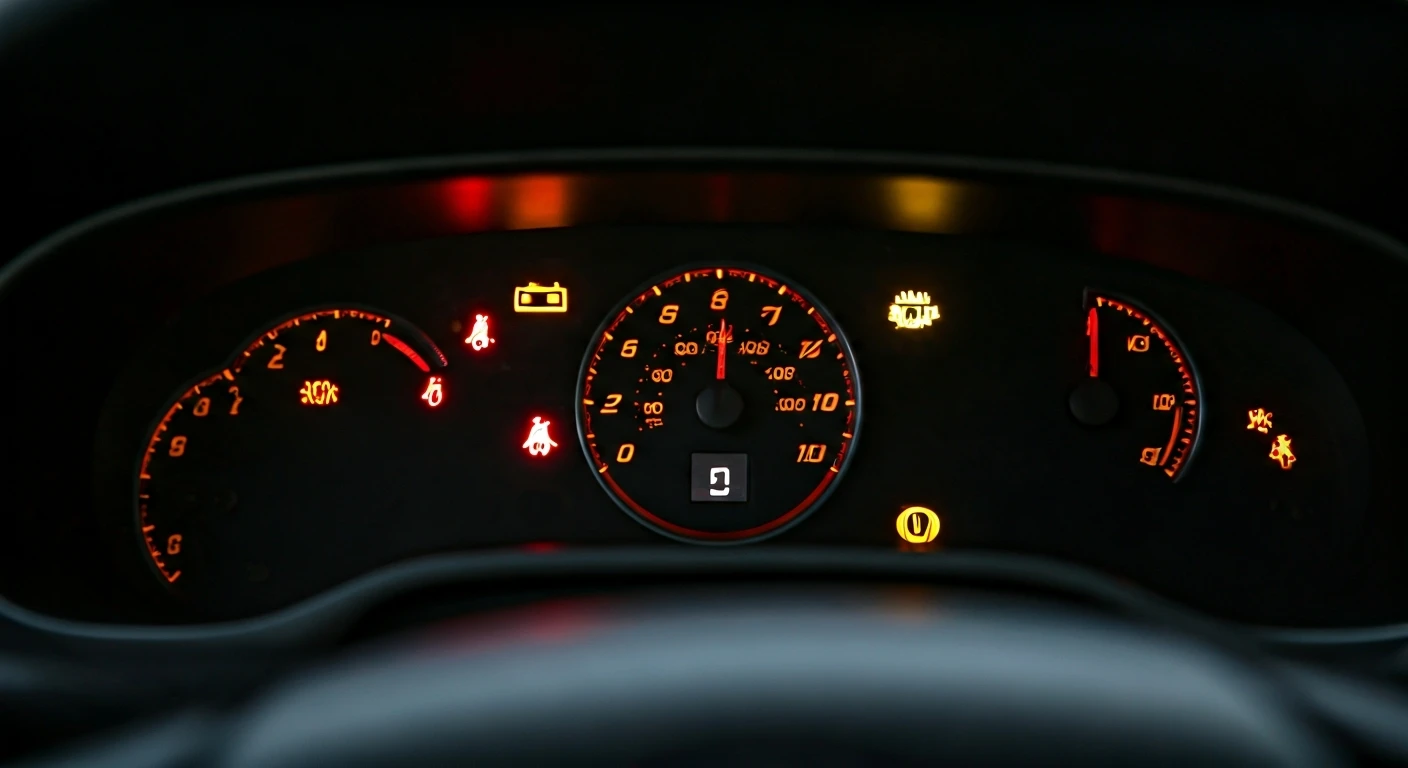

Engine Check
The engine check light, often resembling an engine block, is a universal signal of trouble. When illuminated, it signifies a problem with the engine or
its emissions system. This could range from something minor, like a loose gas cap, to more significant issues like a malfunctioning catalytic converter. Addressing this warning promptly can prevent further damage and expensive repairs down the line. If the light blinks, it often indicates a severe issue demanding immediate attention, like misfires that could damage the engine. Therefore, if the engine check light comes on, it is recommended to get your car inspected by a qualified mechanic to diagnose the root cause.
Oil Pressure Warning
The oil pressure warning light, commonly an oil can symbol, is a critical alert indicating a potential lack of oil pressure. Low oil pressure can lead to serious engine damage, as the oil is responsible for lubricating engine components and reducing friction. When this light appears, it's crucial to stop driving as soon as safely possible. Check the oil level immediately and add oil if necessary. If the light remains on even after topping up the oil, there may be a serious problem with the oil pump or the engine itself. Seeking professional help from a trusted mechanic to diagnose and fix the issue promptly is advised to avoid irreversible damage.
Brake System Alert
The brake system warning light, often depicted as an exclamation mark within a circle or the word 'BRAKE,' signifies a problem with the braking system. This could indicate a low brake fluid level, a parking brake that's still engaged, or a more serious issue like a malfunction in the anti-lock braking system (ABS). If the light illuminates while driving, carefully check if the parking brake is off. If it isn't the parking brake, inspect the brake fluid level and top it up if it's low. For instances other than those, like a constant illumination, get your brakes inspected and addressed by a mechanic promptly. Compromised brake functionality can severely impair a driver’s capacity to control the vehicle, putting everyone at risk.
Battery Light Indicator
The battery light, sometimes showing a battery symbol, is a clear signal that there's a problem with your vehicle's charging system. This may mean that the battery isn't being charged correctly by the alternator. The root cause can range from a loose or corroded battery terminal to a faulty alternator or drive belt. If this light appears, it's essential to reduce the load on your electrical system, by turning off things like the air conditioning and the radio. Driving with this warning on may lead to battery depletion, leaving you stranded. Have the charging system inspected by a mechanic as soon as possible to ensure your car starts and runs reliably.
Tire Pressure Warning
The tire pressure monitoring system (TPMS) warning light, which appears as a horseshoe-shaped symbol with an exclamation mark, alerts you to low tire pressure in one or more tires. Maintaining the correct tire pressure is vital for fuel efficiency, tire longevity, and safe handling. When this light illuminates, use a tire pressure gauge to check the pressure of all your tires and inflate them to the recommended pressure, which can be found on a sticker usually located on the driver's side doorjamb or in your owner's manual. After inflating the tires, it may take some time for the light to turn off. If the light persists, the TPMS sensor may need to be reset or inspected by a mechanic.
ABS Warning Light
The anti-lock braking system (ABS) warning light, typically the letters 'ABS' inside a circle, signals a malfunction in the ABS. This system helps prevent wheel lockup during hard braking, allowing the driver to maintain steering control. If this light comes on, the ABS may not be functioning correctly, although regular brakes should still work. While the car is still safe to drive, get the ABS inspected by a mechanic as soon as possible. Ignoring this light could compromise the effectiveness of the brakes during emergency situations. Regular maintenance and timely repairs can ensure that the ABS works properly and enhances driving safety.
Airbag System Alert
The airbag warning light, often displaying an image of a person with a seatbelt or the word 'SRS' (Supplemental Restraint System), signifies a potential issue with the airbag system. This warning could point to a malfunction in the airbags, seatbelt pretensioners, or related components. The airbag system is crucial for safety in a collision, and a malfunction may render it ineffective. Since airbags are essential safety features, it is imperative to have this problem addressed without delay by a professional. Therefore, when this warning light appears, have the vehicle inspected and serviced by a qualified mechanic to ensure the airbags can deploy properly when required.