




Targeted Sanctions Unveiled
In a decisive action taken shortly after nuclear discussions concluded in Oman, the U.S. State Department has levied new sanctions against a significant
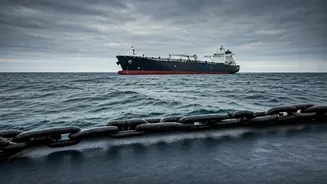
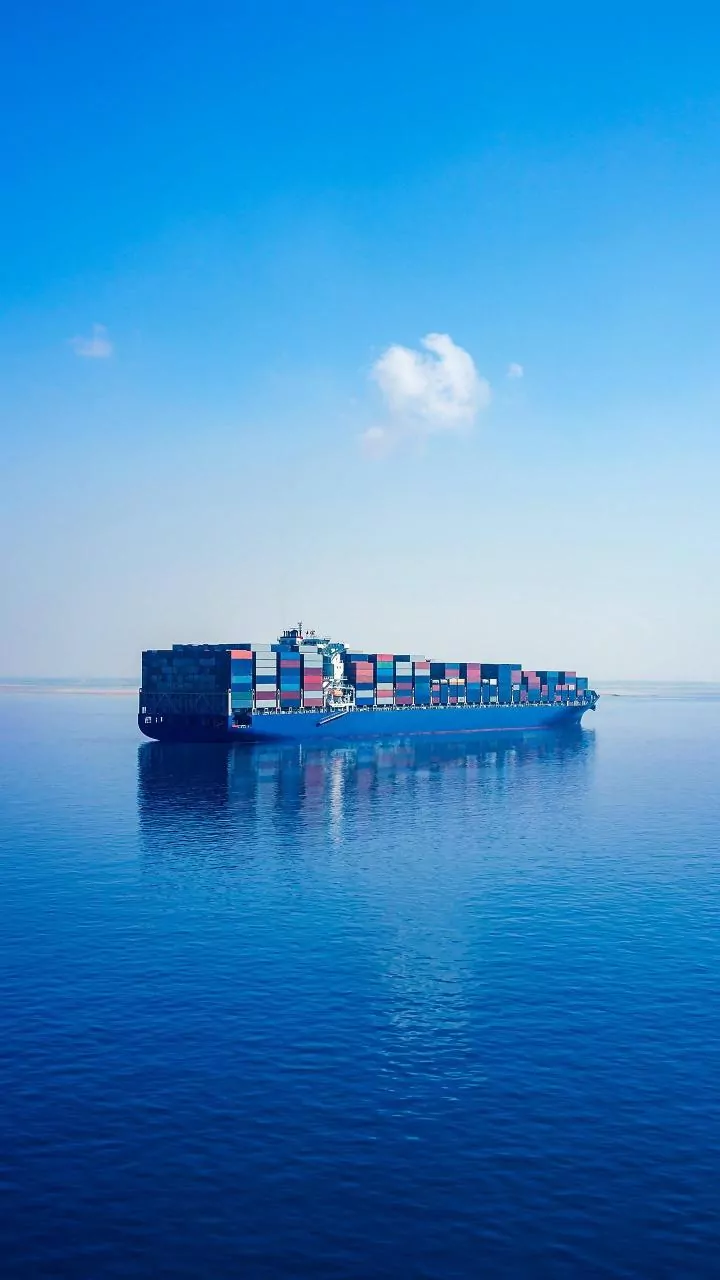
network of individuals and entities. The measures specifically target 15 organizations, two individuals, and a fleet of 14 vessels operating in the "shadow" shipping sector. These targeted parties are accused of facilitating Iran's illicit trade in oil, petroleum, and petrochemical products. The U.S. asserts that the revenue generated from these prohibited sales is being channeled by the Iranian regime to fund its destabilizing international activities and to suppress its own population. This extensive action underscores the U.S. administration's commitment to its "maximum pressure" strategy, aiming to choke off financial resources that the regime allegedly diverts from its people's welfare and essential infrastructure needs towards regional conflicts and internal repression.
Geopolitical Timing Matters
The timing of these new sanctions is particularly noteworthy, arriving just as key diplomatic conversations concerning Iran's nuclear program were winding down in Oman. This juxtaposition highlights the persistent tension between diplomatic overtures and punitive measures in the U.S.-Iran relationship. The U.S. State Department's Principal Deputy Spokesperson, Thomas "Tommy" Pigott, emphasized that this action is a direct response to Iran's continued efforts to circumvent sanctions and generate revenue through its oil and petrochemical sales. He articulated that as long as Iran persists in using these funds for what the U.S. describes as oppression, support for terror groups, and funding of proxy forces, the U.S. will maintain its resolve to hold both Iran and its partners accountable for these alleged illicit financial flows. The administration's stated goal remains to significantly curtail Iran's illegal sales of oil and petrochemicals, a core component of their ongoing pressure campaign.
Oman Talks Recap
The sanctions announcement followed a series of high-level talks in Oman focused on Iran's nuclear program. The Iranian delegation was led by Foreign Minister Abbas Araghchi, while the U.S. side was represented by President Donald Trump's special envoy, Steve Witkoff. While the specifics of the nuclear discussions remain under wraps, initial reports from Iran indicated a sense of cautious optimism. Foreign Minister Araghchi described the talks as a "good start" with a mutual understanding to continue dialogue, suggesting that steady progress could pave the way for a more comprehensive framework agreement. Separately, the Omani Foreign Minister engaged in discussions with both Araghchi and the U.S. delegation, including Jared Kushner. Oman has consistently positioned itself as a facilitator for dialogue, emphasizing the importance of these exchanges for regional security and stability, and both parties reportedly demonstrated a strong commitment to achieving successful outcomes through continued engagement.