
Running and Muscles
Running, particularly at a moderate intensity like a 5-kilometer daily run, is primarily an endurance activity. It engages various muscle groups, especially
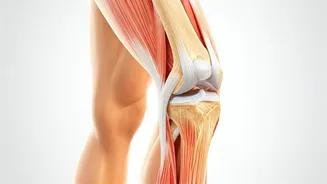
in the legs – the glutes, hamstrings, quadriceps, and calves – and also involves the core muscles for stability and balance. However, the nature of running is more geared towards improving cardiovascular fitness, increasing endurance, and burning calories rather than inducing significant muscle hypertrophy (muscle growth). The continuous impact and repetitive movements of running can cause microscopic tears in muscle fibers, a stimulus that, with proper recovery and nutrition, can lead to some muscle development. However, the overall muscle-building stimulus from running alone is generally less compared to resistance training. To build a muscular body, incorporating strength training into your routine is essential, as the intensity required for significant muscle growth is much higher. The body needs a signal to adapt and build muscle, which is better triggered by resistance exercises, such as lifting weights, using resistance bands, or bodyweight exercises.
Muscle Growth Without Gym
Building a muscular physique without a gym is possible, but it requires a strategic approach. The absence of gym equipment necessitates leveraging other methods to challenge muscles and promote growth. Bodyweight exercises, such as push-ups, pull-ups, squats, lunges, and planks, can be extremely effective. These exercises use the body's own weight to create resistance, working multiple muscle groups simultaneously. Furthermore, these can be progressively scaled up in difficulty to continue challenging the muscles. Using resistance bands adds more variety and intensity to the workouts. Resistance bands come in different resistance levels and are great for targeted muscle training. They can be used to augment bodyweight exercises or as standalone exercises to build muscle. Nutrition plays a crucial role in muscle growth. Sufficient protein intake is essential. Protein provides the building blocks for repairing and building muscle tissue. Aim for around 1.6-2.2 grams of protein per kilogram of body weight each day. Carbohydrates and healthy fats are also vital for energy and overall health.
Maximizing Muscle Potential
To maximize muscle-building potential while running 5 kilometers daily without gym access, several strategies can be employed. The first is to incorporate bodyweight exercises or resistance band training at least three times per week. The workouts should target all major muscle groups, including legs, back, chest, shoulders, arms, and core. Varying the exercises and workout intensity will also provide a greater stimulus for muscle growth. For example, consider including compound exercises such as push-ups, pull-ups, and squats. These exercises activate multiple muscle groups simultaneously, providing a more efficient workout. Another strategy is to increase the volume, which refers to the total amount of work performed during a workout. Increasing the number of sets and repetitions can enhance muscle growth, especially when coupled with progressive overload. Progressive overload means gradually increasing the difficulty of exercises over time. This could be achieved by adding more reps, sets, or resistance. Proper nutrition and adequate rest are also crucial. Make sure you get enough sleep, as it is essential for muscle recovery and growth.
Runners and Muscle
It is worth acknowledging that consistent running can indirectly influence muscle development. Regular running promotes enhanced blood flow to the muscles, which aids in delivering nutrients and oxygen necessary for muscle recovery and growth. Moreover, the metabolic adaptations that occur during running can influence how the body utilizes energy and repairs muscle tissue. Long-distance running might lead to a leaner physique, as it helps reduce body fat, thereby enhancing the visibility of muscles. Runners are sometimes seen as lean, and muscular individuals because the process of running often involves a level of core and leg muscle engagement. However, if building substantial muscle mass is the primary goal, running alone might not be sufficient. Therefore, it is important to add other exercises to complement the running, such as bodyweight workouts, resistance bands, and strength training. This combination will make muscle-building easier and faster.
Final Thoughts and Advice
Running 5 kilometers daily can certainly contribute to overall fitness, including some level of muscle development, especially in leg muscles and the core. However, to develop a more muscular physique without gym access, it is crucial to combine running with strategic strength training. Implementing bodyweight exercises, incorporating resistance bands, focusing on progressive overload, and prioritizing adequate protein intake are all essential for maximizing muscle growth. Remember that consistency, proper nutrition, and sufficient rest are fundamental to achieving desired results. It's also important to listen to your body and make adjustments as needed. Consider consulting a fitness professional for personalized guidance if needed. A well-rounded approach that encompasses both running and strength training will maximize the likelihood of building a muscular body, even without the gym's resources. It's all about strategic exercise and the right lifestyle choices.