




Revival of Tourist Spots
In a significant stride towards normalcy and economic recovery, the Jammu and Kashmir administration has officially reopened 39 previously shuttered tourist
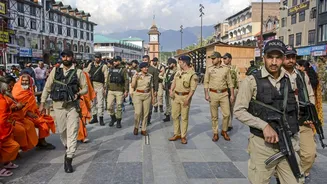
locations across the Valley. This decision, made a year after a severe terror incident in Pahalgam resulted in numerous casualties, including Amarnath pilgrims and local residents, marks a pivotal moment for the region's vital tourism industry. The administration has emphatically stated that comprehensive security protocols are now in place to guarantee the utmost safety for all visitors. It is anticipated that this reopening will not only draw a larger influx of tourists but also provide a substantial boost to the local economy. Furthermore, plans are underway to diversify and promote adventure and cultural tourism, aiming to further elevate the tourism landscape of Jammu and Kashmir.
Pahalgam's Baisaran Valley
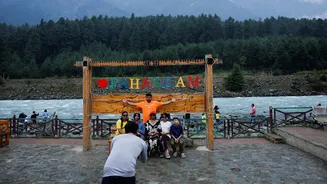
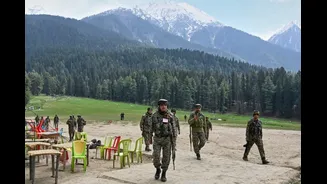
Despite the general reopening, access to the picturesque Baisaran Valley in Pahalgam remains restricted, a year following the targeted attack that claimed many lives. While the main Pahalgam town buzzes with renewed activity, with hotels and shops operating and the local entry toll collection seeing a significant increase, the specific route to Baisaran is under strict security surveillance. A CRPF officer highlighted that the 5km path from Pahalgam town is now patrolled round-the-clock by over a dozen personnel from the CRPF and police. Security teams are also actively stationed within the valley itself, diligently preventing any unauthorized approach. An official from the Pahalgam police station confirmed that Baisaran is currently closed to both tourists and locals, with the Army conducting regular patrols in the surrounding dense forests. Although tourists like Ankush Sharma expressed a desire to visit, citing the visible security presence, they were denied entry. However, the overall sentiment in Pahalgam town is one of recovery, with Mushtaq Ahmad Pahalgami of the Hotel Association reporting a 30-40% return of tourists and pony operators like Gul Mohammad noting a pick-up in business since autumn.
Srinagar's Tulip Garden
The famed Tulip Garden in Srinagar, Asia's largest, marked the advent of spring with its grand opening on March 16th, showcasing an impressive spectacle of 1.8 million tulip bulbs in full bloom. This vibrant attraction, situated at the foothills of the Zabarwan mountains with a view of Dal Lake, had been empty for the past year following the Pahalgam incident. Despite initial concerns, Ravi Kumar, a first-time visitor from Uttarakhand, shared his positive experience, citing online feedback about improved security measures and the people's response. He described the garden as the most beautiful place he has ever encountered. Since its reopening, the Tulip Garden has welcomed approximately 252,000 visitors. Imran Ahmad, overseeing the garden, noted a substantial response this year, contrasting it with the previous year's emptiness. The garden, typically open for about a month due to the short lifespan of tulip flowers, was enhanced this year with heightened security. Around 20 personnel patrolled its three gates, with an overall presence of 40-50 individuals, including military intelligence, BSF, CRPF, and police personnel, patrolling from the approach road to the parking area and within the garden itself, ensuring visitor safety.
Sonmarg's Enduring Appeal
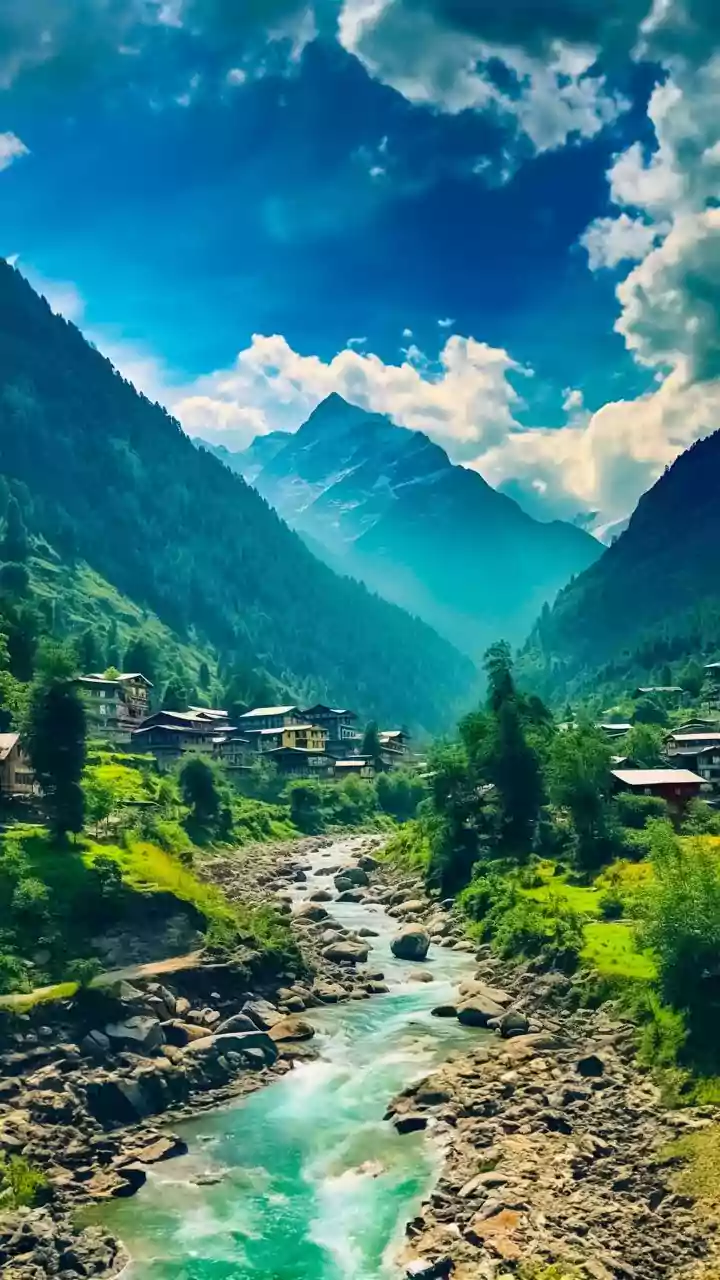
Sonmarg, a stunning hill station characterized by lush meadows bisected by the Sindh River and framed by snow-capped peaks, has maintained its status as an open destination for tourists. While the Pahalgam terror attack had significantly reduced tourist numbers, the recent opening of the Z-Morh tunnel in January 2025 has led to a resurgence, with hundreds now flocking to the area. Pony operators guide visitors on daily trips to the nearby Thajiwas glacier, a 5-km trek leading to a spot covered in two to three feet of snow. Tourists like Amit Sircar from Kolkata expressed delight at experiencing the cool climate, contrasting it with the heat back home and affirming full faith in the nation's security. Sonmarg and the Thajwas glacier are under the watch of the Police, CRPF, and the Army's RR unit, with approximately two dozen CRPF personnel and policemen ensuring tourist movements are monitored until their departure. A senior police officer affirmed that security is foolproof not only in Sonmarg but also in the surrounding forests and the main highway. Sanjita, a software engineer from Madhya Pradesh, noted that this trip was a long-planned visit, having already explored Pahalgam and Gulmarg. Local businesses are also benefiting, with Fayaz Ahmad reporting brisk rental of rubber boots to tourists, indicating good earnings over the past month, although hotel occupancy, as per Musaib Ahmad, manager of Namro Hotel, stands at 40%.
Badamwari Garden's Revival
Badamwari, also known as the almond garden, was among the initial batch of tourist sites to welcome visitors again, reopening on June 14, 2025. Nestled on the foothills of Koh-e-Maran overlooking Srinagar, the garden, adorned with almond trees that bloomed early this year, had experienced a complete halt in footfall post the Pahalgam incident. Prior to the attack, the garden attracted numerous visitors, primarily locals and some from other states. Zahoor Ahmad, a floriculture employee, noted the return of people and emphasized the significantly increased security arrangements this year. The protocol now mandates daily reporting to the police about both international and domestic tourist numbers. The garden is heavily fortified, with three to four security vehicles stationed on the approach road and dozens of police and CRPF personnel providing a perimeter of security. At least 10 security personnel patrol the approach road from 9 am to 7 pm, with a similar number stationed at the rear. A security official confirmed constant vigilance from both inside and outside the garden to ensure safety. Sachin, a tourist from Mumbai who visited after seeing images on Instagram, found the garden calm, serene, and beautiful, despite missing the almond bloom. Director of floriculture, Mathoora Masoom, reported a strong resurgence in visitor numbers, with approximately 40,000 arrivals in March, a more than 100% increase from the 18,000 recorded in March of the previous year.
Drang Tangmarg's Security
The charming village of Drang, situated in Tangmarg, Baramulla, adjacent to the Ferozpura stream and near the renowned Gulmarg ski resort, reopened in November 2025. Tourists are gradually returning to this picturesque spot, which is now characterized by a visible security presence, including a new bulletproof bunker at the edge of the village. The route from Tangmarg to Drang is heavily guarded, with at least five teams, each comprising four to five personnel from the police and CRPF, ensuring the safety of the road leading to this destination. Furthermore, the 13-kilometer stretch from Tangmarg to Gulmarg features five established checkpoints. A regular deployment of Road Opening Parties operates from morning till evening along this route. Pawan Jadhav and his wife Astha from Karnataka described Drang as a place that truly resembles paradise. Authorities have emphasized the importance of intelligence sharing and security reviews for all tourist destinations, with police reporting at least six cases filed against individuals for concealing information about foreign visitors under the foreigners and immigration Act 2025.