







Fog's Heavy Impact
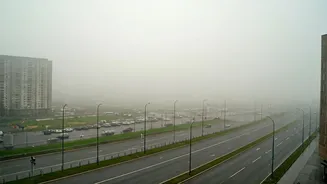
The capital city of Delhi, alongside the National Capital Region (NCR), was deeply affected by an intense blanket of dense fog, which significantly reduced
visibility levels. This thick fog presented a notable obstacle to everyday activities, particularly influencing transportation. Areas such as ITO and Rafi Marg, vital for the city's operational functionality, found themselves directly in the line of severe weather, leading to notable disruptions. The widespread presence of the fog not only hampered daily commutes but also prompted the implementation of measures aimed at safeguarding public health and facilitating the efficient functioning of essential services amid these demanding atmospheric conditions. These actions were essential to mitigate the immediate threats imposed by the unusual fog intensity experienced.
AQI: Dangerous Levels
Simultaneously with the dense fog, Delhi's air quality reached alarming levels. The Air Quality Index (AQI) peaked dramatically, reaching figures as high as 434. Such a pronounced spike in AQI posed a serious health hazard, especially for susceptible people such as the young, the elderly, and those with respiratory ailments. Authorities and healthcare providers expressed deep concerns regarding the potential health consequences resulting from this air quality emergency. The high AQI underscored the magnitude of the environmental challenges confronting Delhi's population during these extreme winter conditions. This elevated air pollution level compelled authorities to issue health advisories and impose restrictions aimed at minimizing public exposure and its adverse effects.
GRAP-IV Implemented
To address the environmental challenges, the Delhi government was compelled to invoke the GRAP-IV restrictions. These emergency measures came into effect to combat the severely degraded air quality across the city. The implementation of GRAP-IV included stricter regulations on various industrial operations, construction activities, and the use of certain vehicles within the Delhi region. These steps were strategically designed to bring down emission levels as quickly as possible, thus alleviating the threat to public health. The comprehensive implementation of these measures reflects the administration's proactive strategy for confronting severe air pollution episodes during the winter, demonstrating a commitment to securing public safety.
Flight Delays at IGI
The dense fog significantly disrupted flight operations at Indira Gandhi International (IGI) Airport. Several flights faced delays, causing inconvenience for numerous travelers. Low visibility posed a significant challenge for aviation operations, necessitating adjustments to flight schedules and safety protocols. Authorities prioritized passenger safety, resulting in a number of flight cancellations and diversions during the most challenging moments. Passengers were advised to remain informed by checking with their airlines for up-to-date travel information. This incident underscored the tangible effects of adverse weather on critical infrastructure and highlighted the importance of prompt response protocols from airport authorities and airlines during such emergencies. The delayed and cancelled flights collectively illustrated the broad consequences of intense winter weather conditions on the city’s air transport capacity.
Areas Under Pressure
Within Delhi, specific areas experienced particularly harsh conditions due to the concentration of fog and the consequent spike in pollution levels. The areas of ITO and Rafi Marg experienced heightened impacts, suggesting these locations were at the epicenter of the disruption. These areas, characterized by their busy activity, presented unique challenges concerning travel and public health due to the poor visibility and unhealthy air quality. The intensified conditions in these areas highlighted the need for strategic responses and the implementation of targeted actions aimed at minimizing the negative effects of environmental deterioration, thus safeguarding both the well-being of the inhabitants and their ability to move within the city.