





Surviving the Cold
The Emperor Penguin is a marvel of cold-weather adaptation. Residing in Antarctica, these penguins endure temperatures far below freezing and powerful
blizzards. Their survival is a testament to natural engineering. They have developed several ingenious methods for combating the cold. Dense feathers trap air, creating insulation. They also huddle together in large groups, sharing body heat, with penguins on the outside constantly rotating to the warmer interior. In addition, their streamlined bodies and efficient metabolism allow them to conserve energy in the frigid environment. They can also dive deep to forage for food, holding their breath for extended periods. The Emperor Penguin showcases the incredible resilience and adaptability of life in one of Earth's most challenging climates.
Arctic Adaptation
The Arctic Fox is exceptionally well-suited to the unforgiving Arctic environment. Its thick, white fur provides excellent insulation and camouflage, essential for avoiding predators and ambushing prey. The fox's coat changes color seasonally, turning brown in the summer to blend with the landscape. Moreover, they possess small ears and a compact body, minimizing heat loss. The Arctic Fox has an extraordinary ability to locate food. They can hear prey such as lemmings and voles moving under the snow. They have also developed remarkable hunting tactics, and will dive headfirst into snow to catch their prey. With exceptional endurance, they survive despite harsh conditions.
Desert Dwellers
The Saharan Silver Ant is a tiny but tough survivor of the world’s hottest deserts. To cope with extreme temperatures, these ants have developed specialized strategies. Their bodies are covered in a silvery coating of hair, which reflects sunlight and helps to keep them cool. They are active during the hottest part of the day, when other creatures are sheltering from the sun. Moreover, they are remarkably fast runners. They can travel at speeds of up to 0.7 meters per second, allowing them to quickly search for food and escape from predators. The Saharan Silver Ant’s remarkable survival tactics allow them to thrive where most other creatures would perish.
Built for Hardship
The Snow Leopard, an apex predator of high-altitude mountain ranges, is highly adapted to survive extreme cold and thin air. These elusive cats boast thick fur coats for insulation, large paws to distribute weight on snow, and powerful lungs to extract oxygen from low-oxygen environments. Snow Leopards have a long tail, which is used for balance and warmth, wrapped around them when they are resting. They are perfectly camouflaged, blending seamlessly into rocky terrain. These cats hunt effectively and are highly capable, even in treacherous conditions. This species shows exceptional ability in challenging ecosystems.
Hidden Resilience
The Wood Frog is remarkable, owing to its ability to freeze solid during winter and then revive itself in spring. These frogs contain high glucose concentrations within their bodies, acting as antifreeze to protect vital organs. When temperatures drop, their heart stops, and they appear lifeless. Their bodies slowly thaw with warmer weather. In doing so, this frog displays the incredible capacity of life. The ability of the wood frog to survive through harsh winters highlights the astonishing variety of strategies that animals use to survive in extreme climates.
Tiny Titan
Tardigrades are microscopic creatures capable of enduring extreme conditions that would be lethal to most other life forms. These tiny animals can survive in outer space, withstand radiation, and endure extreme temperatures, both hot and cold, and a lack of water. They achieve this through cryptobiosis – a state of suspended animation. In this state, they can cease almost all metabolic activity, allowing them to endure harsh conditions for years, possibly even decades. Then, when conditions improve, they rehydrate and resume their lives. This ability demonstrates the robust power of life.
Built for Heat
Camels have several adaptations to survive in hot, arid deserts. They are able to go for extended periods without water. They can also drink large amounts of water in one sitting, allowing them to replenish their reserves quickly. Camels store fat in their humps. They can convert this fat into energy and water, which supports them during times of scarcity. Their thick fur insulates them from the heat during the day and provides warmth at night. Their wide feet allow them to walk easily on the sand. Camels are truly remarkable desert dwellers.
Polar Bear Power
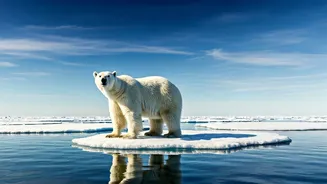
The polar bear is a magnificent creature exquisitely designed for survival in icy environments. Thick layers of blubber and dense fur provide insulation against extreme cold. Their large paws act as snowshoes, distributing their weight, allowing them to traverse the ice. Polar bears are powerful swimmers. They can hold their breath for a remarkably long time. They are skilled hunters of seals, which constitute a large part of their diet. With each specialized feature, polar bears show extreme strength, making them well-suited for their challenging habitat.