








Initial Discovery and Response
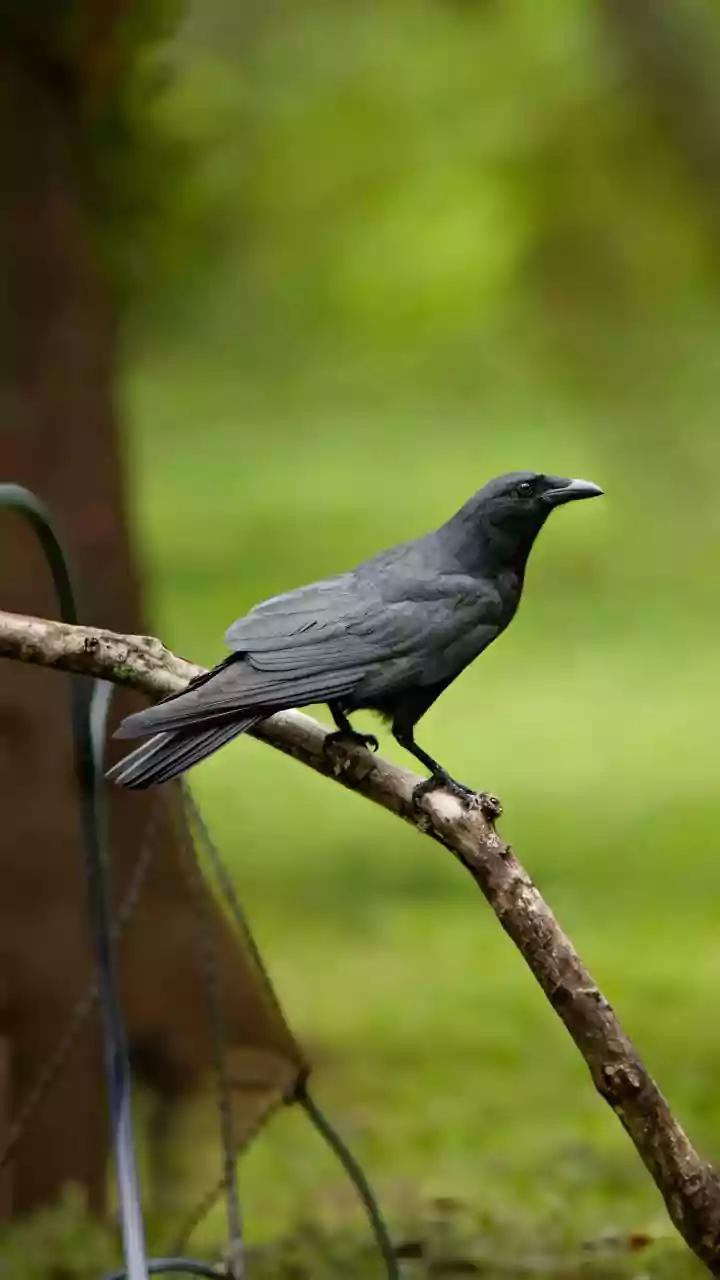
The situation began to unfold on January 11th, when residents in Bhagalpur's Naugachia subdivision discovered a significant number of deceased crows. These
birds were found under a tree within the sub-divisional complex. The incident sparked immediate concern among locals, fearing a potential avian influenza outbreak. Officials from the Forest Department were immediately dispatched to the site to collect the dead birds safely. Following this, a joint team from the Forest and Animal Husbandry departments gathered samples for laboratory analysis. These samples were then dispatched to high-level laboratories located in Patna and Bhopal for thorough confirmation. As a precautionary measure, the administration assured everyone that the situation remained under control, while simultaneously escalating preventive measures. Their focus was clearly aimed at mitigating any potential spread and safeguarding both the poultry population and the public well-being.
Confirmation of the Virus
The test reports from the laboratories provided definitive confirmation of the presence of the bird flu virus. District Animal Husbandry Officer Anjali Kumari officially confirmed the findings, after the samples were tested at high-level facilities in Patna and Bhopal. The report from Bhopal verified the infection. This confirmation immediately triggered the district administration to move into full alert mode. A comprehensive sanitization drive was subsequently launched within a 10-kilometer radius around the affected zone. Furthermore, zero surveillance will be carried out on all poultry farms in the area, and additional samples will be sent for testing. Dr. Anjali Kumari Sinha, the District Animal Husbandry Officer, explained that the initial suspicion was cold weather, given the date. However, further investigation and the Government of India confirmed the cause.
Containment and Prevention Efforts
With bird flu confirmed, the administration swiftly implemented containment and preventative measures. The primary focus was on sanitizing affected areas. Additional sanitation took place on January 11th, with continuous surveillance of poultry farms. Officials are actively collecting samples from poultry farms in the surrounding areas to prevent any spread to domestic birds, underscoring the seriousness with which this situation is being handled. The surveillance and monitoring have been intensified across the subdivision to keep a close watch on any further developments. Residents are urged not to panic, but to take precautions. They are advised to avoid contact with sick or dead birds and to promptly report any unusual bird deaths. This coordinated approach aims to mitigate the crisis and protect public health.