





The Coconut Repellent
With the arrival of warmer weather, many households are turning to a traditional remedy that has recently gained significant traction online to ward off
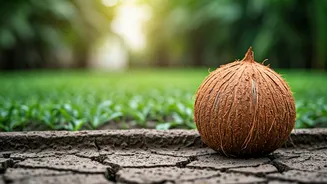
snakes: the humble coconut. This popular folk method involves utilizing dried coconut shells or the fibrous material from the coconut husk. The practice dictates placing these coconut elements strategically around potential entry points of a home, such as doorways, garden perimeters, gates, and verandas. The underlying belief is that snakes are naturally repelled by the distinct aroma emanating from the coconut fiber or burnt shells. While humans might perceive this scent faintly, it's thought to be much more potent and off-putting to snakes, whose sense of smell is considerably more developed. Proponents of this technique assert that snakes actively avoid areas where these coconut materials are present, creating a natural barrier that discourages them from entering living spaces. This method is particularly embraced in regions with abundant greenery, large outdoor areas, and numerous trees, environments that can sometimes attract snakes seeking refuge from the heat or looking for suitable habitats. The effectiveness of this natural repellent is rooted in generations of practice, especially in rural and semi-urban areas where natural pest control solutions are preferred over chemical alternatives.
How To Apply
Implementing this traditional snake deterrent is straightforward and requires minimal effort. Begin by acquiring a dry coconut or using discarded coconut shells. The next step involves separating the fibrous outer layer of the coconut or husk. This collected fiber should then be divided into smaller, manageable pieces. These pieces are then strategically positioned in areas where snakes are commonly sighted or might attempt to enter. Prime locations include the entrances to your home, windows, pathways through your garden, or the corners surrounding your property. To ensure the repellent properties remain potent, it's recommended to replace the coconut material every seven to ten days, as its scent is believed to fade over time. Furthermore, if your area experiences heavy rainfall, it's advisable to replace any coconut shells or fiber that become wet, as moisture can diminish their effectiveness. While this method has been passed down through generations and widely adopted, it's important to note that scientific evidence to definitively prove its efficacy is limited. However, its enduring popularity stems from its simplicity, natural composition, and the positive anecdotal experiences of those who have used it consistently.
Expert Advice & Caution
While the coconut-based remedy is a widely followed practice for snake deterrence, it's crucial to understand its limitations and to always prioritize safety. Experts generally view these traditional methods as purely preventive measures, designed to discourage snakes from approaching your property in the first place. They emphasize that these natural repellents are not a foolproof solution and should not be relied upon as the sole defense. In situations where a snake has already entered a home or poses an immediate threat, attempting to handle the situation yourself is strongly discouraged. Instead, residents are urged to contact wildlife rescue organizations or the local forest department without delay. These professionals are equipped with the knowledge and tools to safely capture and relocate snakes, minimizing risk to both humans and the animal. Some communities also employ a variation of this remedy by burning dried coconut shells in the evenings. The resulting smoke and its associated aroma are believed to further contribute to keeping snakes at bay. It is important to remember that information regarding these remedies is largely based on traditional practices and anecdotal evidence, and has not been rigorously verified by scientific studies. Therefore, when faced with a snake sighting or any emergency, seeking professional assistance remains the most prudent course of action.