





The Mumbai Meltdown
A devastating event in Mumbai, where four members of the Dokadia family tragically passed away after consuming watermelon, has sent shockwaves across India.
This incident amplified existing anxieties fueled by social media claims suggesting watermelons might be adulterated with chemicals to enhance color or sweetness. Adding to the public's unease, a video featuring Marathi actor Shashank Ketkar and a Congress leader, showing bubbles emanating from a freshly purchased watermelon, rapidly gained traction. This visual evidence intensified the debate and raised critical questions about the safety of the popular summer fruit, leaving consumers questioning the integrity of the produce they bring into their homes.
Understanding the Fizz
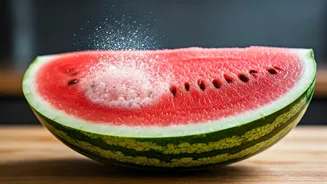
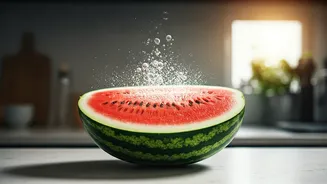
The appearance of bubbles or fizzing in a watermelon is typically a natural occurrence, not a sign of chemical tampering. This phenomenon arises from fermentation, a process where naturally present microorganisms convert the fruit's sugars into alcohol and carbon dioxide gas. This is akin to the process used in brewing beer or wine. When this gas is trapped within the sealed environment of a watermelon, it builds pressure, leading to the formation of bubbles, foam, and in some extreme instances, can even cause the fruit to explode upon being cut. High ambient temperatures, prevalent during peak summer in regions like India, significantly accelerate this fermentation. The combination of heat, natural sugars, and yeast within the melon creates an ideal environment for these microorganisms to thrive, especially when watermelons travel long distances without consistent refrigeration.
Chemical Injection Fears
Concerns about chemicals being injected into watermelons to artificially boost their redness or sweetness have been circulating online for a considerable period. However, food scientists and agricultural experts largely dismiss these claims as widespread practices, citing a lack of substantial scientific evidence. The prevailing scientific consensus is that most watermelons exhibiting bubbly or foaming characteristics are simply undergoing natural spoilage. This process, driven by internal decay, occurs at an accelerated rate during hot weather, making the fruit appear to be 'rotting from the inside' far quicker than one might expect.
Selecting a Prime Melon
Choosing a ripe and safe watermelon involves several key indicators. Firstly, examine the 'field spot' on the underside of the melon. This is the area where the watermelon rested on the ground. A dark yellow hue on this spot is a strong sign of ripeness, whereas a white or pale spot suggests it may be underripe. Secondly, when comparing two watermelons of similar size, opt for the one that feels heavier. Greater weight typically signifies a higher water content, indicating a juicier fruit. Lastly, a gentle tap on the watermelon's rind can reveal its readiness. A deep, hollow 'dum dum' sound is indicative of a ripe and juicy melon, while a thin, sharp sound might suggest it's dry or not fully ripe.
Post-Cut Inspection
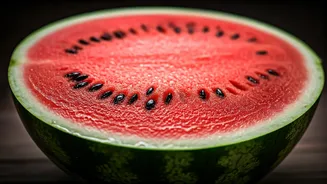
Once a watermelon has been sliced open, a few crucial checks can help determine its safety for consumption. Begin by using your sense of smell; a fresh watermelon should have a sweet and clean aroma. Any sour, fermented, or unpleasant odor is a clear warning sign, and the fruit should be discarded immediately. Next, assess the texture of the flesh. If it appears unusually soft, sticky, foamy, or excessively watery, it indicates that fermentation has already commenced internally. Food safety professionals strongly advise against consuming any watermelon that exhibits foaming, as it signifies decay. Furthermore, if bubbles or fizzing are observed after the melon has been cut, it should not be eaten. Piercing or slicing the fruit creates an ideal environment for the rapid proliferation of molds, yeasts, and bacteria.
The Mumbai Case Verdict
It is crucial to distinguish between natural fermentation and potential adulteration, especially in light of the Mumbai incident. Investigators have not yet definitively confirmed whether the watermelon consumed by the Dokadia family was a victim of natural spoilage or chemical interference. Preliminary forensic findings, including evidence of green organs and the presence of morphine in Abdullah Dokadia's body, suggest a cause that goes beyond simple foodborne decay, pointing towards a more deliberate act. The watermelon in this particular case might have served as a vector rather than the direct cause of the tragedy. A comprehensive forensic science laboratory report is still pending, which will shed further light on the precise circumstances surrounding this unfortunate event.