






Beyond Habits: Innate Rhythms
The timing of your sleep and wakefulness often feels like a personal choice or a learned habit, but scientific evidence points to a more profound, intrinsic
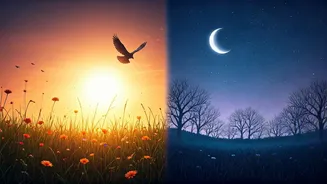
basis for these patterns. While you might identify as an early bird who feels immediately productive upon waking, or a night owl whose peak alertness arrives much later in the day, the underlying reasons are complex. Dr. John Saito of the American Academy of Sleep Medicine highlights that age plays a significant role; younger individuals typically rise early, a phase that shifts towards later waking times during adolescence, a pattern that eventually stabilizes in middle age before reverting to earlier rising in senior years due to declining melatonin levels. This age-related shift is further illuminated by research from the National Library of Medicine, which suggests that hormonal fluctuations between the ages of 10 and 30 are primary drivers for changes in the body's homeostatic and circadian regulation of sleep, impacting our natural inclination to sleep or be active.
Genetics, Environment, Lifestyle
Your unique chronotype, defined as your inherent preference for certain times of day for sleeping or maintaining alertness, is shaped by a confluence of factors, including your genetic makeup, your current age, the environment you inhabit, and your daily lifestyle choices. Groundbreaking research published in Nature Communications, which analyzed genome-wide associations in nearly 700,000 individuals, identified 351 distinct genetic factors influencing whether a person leans towards being an early riser or a night owl. Environmental influences are also substantial. For instance, individuals tend to sleep more during winter months due to reduced exposure to natural light. Conversely, prolonged exposure to artificial light, common in urban settings, can disrupt the body's natural sleep-wake cycle. Even geographical location, such as proximity to the equator, can subtly affect sleep patterns. Furthermore, the hereditary nature of sleep patterns, as noted by Dr. Saito, underscores the deep-seated biological basis of our chronotypes.
The Four Chronotype Spectrum
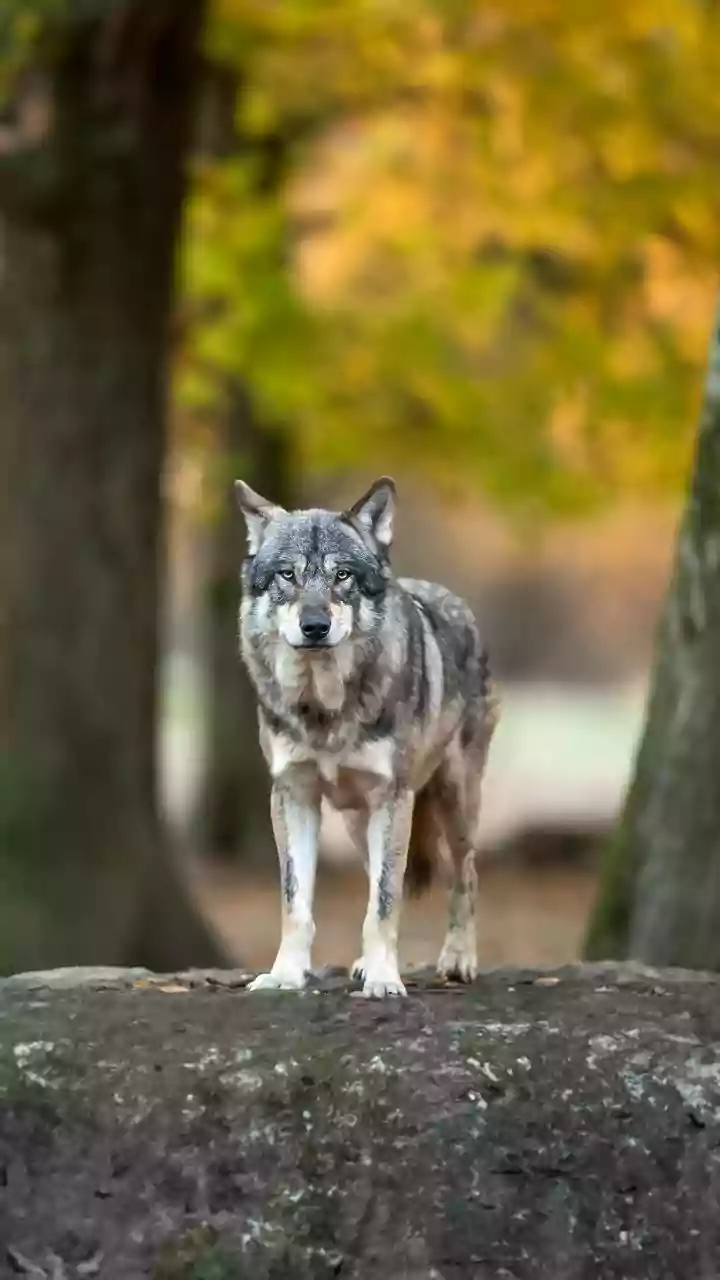
While the traditional classifications of 'morning lark' and 'night owl' provide a basic understanding, clinical psychologist and sleep specialist Dr. Michael Breus proposes a more nuanced view, suggesting that chronotypes exist on a broader spectrum. He further categorizes these inclinations into four distinct archetypes: Lions, Bears, Wolves, and Dolphins. Lions represent the quintessential early risers, experiencing their highest levels of productivity from morning through the early afternoon, making up approximately 15-20% of the adult population. Bears, comprising about 50% of people, align their schedules with the sun, peaking in energy and focus from late morning to early afternoon. Wolves, estimated at 15-20% of the population, exhibit dual peaks of productivity, one in the late morning and another in the late evening. Finally, Dolphins, about 10% of the population, are characterized by daytime fatigue and restless, nervous energy at night, often experiencing fragmented sleep with frequent awakenings due to their low sleep drive and light sleeping tendencies.