



What is a Blue Moon?
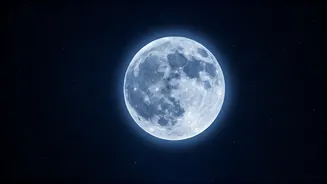
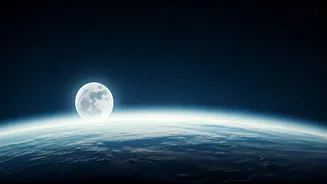
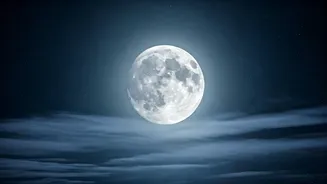
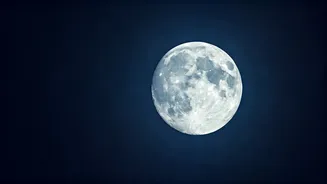
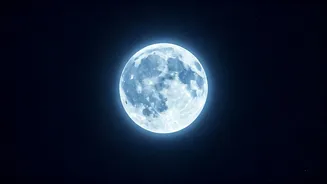
Contrary to popular belief, a Blue Moon doesn't actually paint the night sky in shades of azure. The term 'Blue Moon' refers to a rare occurrence of a full
moon that happens less frequently than usual, typically falling into one of two categories. The most common definition designates the second full moon within a single calendar month as a Blue Moon. This happens because the lunar cycle is slightly shorter than the average calendar month, allowing for two full moons to occasionally align within the same 30 or 31 days. Alternatively, a seasonal Blue Moon occurs when a particular astronomical season—the period between a solstice and an equinox, or vice versa—hosts four full moons instead of the typical three. In this less frequent scenario, the third full moon of that season earns the Blue Moon title. Both definitions highlight the rarity and special timing of these full moons, not a change in their perceived color.
When and How to Watch
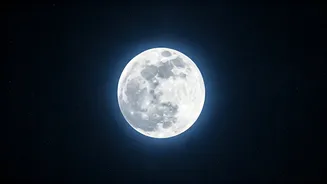
The next anticipated Blue Moon is scheduled for May 31, 2026, with its peak around 8:45 UTC. This particular event also coincides with a micromoon, meaning the moon will be at its farthest point from Earth in its orbit, potentially appearing slightly smaller in the sky. For observers in India, the Blue Moon will be visible on the night of May 30–31, 2026. The optimal viewing window commences just after sunset, as the moon begins its ascent, and extends through the late evening and early night, offering the clearest perspective. While the moon will appear its usual bright, white hue, the experience is still a remarkable celestial display. To enhance your viewing, seek out locations away from city lights and light pollution, giving you a better chance to appreciate the moon's brilliance against a dark sky. Looking towards the eastern horizon after dusk is your best bet.
Viewing Tips from India
Witnessing the 2026 Blue Moon from India is straightforward, requiring no specialized equipment. The key is to find a location that offers an unobstructed view of the night sky, ideally one that is far from urban light sources which can diminish the moon's visibility. Open fields, parks on the outskirts of cities, or rural areas are excellent choices. After the sun sets on May 30th and 31st, orient yourself towards the east. The moon will rise and become increasingly prominent as darkness deepens. While binoculars or a camera can provide a closer look and allow for detailed observation or photography, the Blue Moon is easily observable with the naked eye. This event presents a wonderful opportunity to connect with the cosmos and appreciate a less common lunar phenomenon, making it a memorable occasion for sky gazers.