



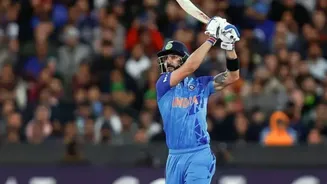
Boycott Sparks Fears
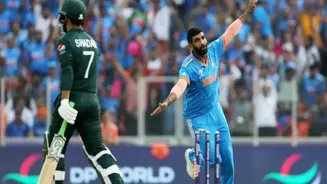
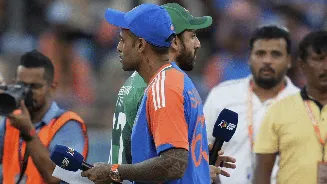
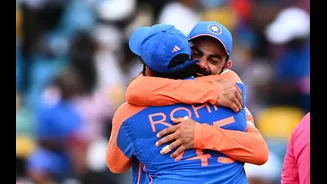
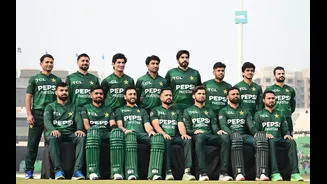
The possibility of Pakistan boycotting its T20 World Cup match against India has ignited a wave of concern throughout the cricket community. The International
Cricket Council (ICC) has stepped in, cautioning Pakistan about the potential 'long-term implications for cricket in its own country' should they choose to withdraw. This warning underscores the significant impact such a decision could have. The situation places Pakistan in a precarious position, forcing them to balance their concerns with the broader health and future of cricket within their borders. This decision carries profound consequences that extend beyond the immediate outcome of a single match.
ICC Weighs In
The ICC's reaction highlights the organization's role in maintaining the integrity and global appeal of the sport. Their warning to Pakistan goes beyond mere procedural concerns; it speaks to the values of fair play and international cooperation that underpin cricket. The ICC likely understands that a boycott could set a detrimental precedent, potentially encouraging similar actions in the future and eroding the spirit of competition. The emphasis on 'long-term implications' suggests that the ICC is considering not only the immediate ramifications but also the potential for lasting damage to Pakistan's cricket ecosystem and its standing in the international community. The ICC's perspective underscores the gravity of the situation and the far-reaching impact of Pakistan's decision.
Pakistan's Dilemma
Pakistan faces a difficult choice, as it must weigh its concerns against the potential fallout from a boycott. A decision to withdraw could have severe consequences, including financial penalties and damage to their international reputation. This decision could also influence the future of cricket in Pakistan, affecting sponsorships, player development, and the overall enthusiasm for the game within the country. The nation must carefully evaluate the costs and benefits of its actions, understanding that any decision carries substantial weight. This period of deliberation is a critical juncture for Pakistan, with the potential to reshape its cricketing destiny.
Path to Super 8s
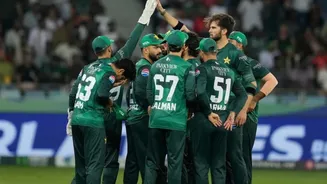
The core of the discussion also involves Pakistan’s journey in the T20 World Cup, and how a boycott would alter their journey. If Pakistan were to boycott the match against India, it could drastically affect their qualification prospects for the Super 8s. A loss against India, particularly under these circumstances, might not only result in point deductions but could also harm their net run rate and diminish their ability to advance in the tournament. Pakistan would need to carefully plan out its strategy for its other matches, keeping in mind the need to secure victories to improve their chances of making it to the next round. The team's path forward will require resilience, strategic thinking, and strong performance in the remaining matches.
Long-Term Ramifications
The long-term effects of a boycott could extend beyond the immediate tournament repercussions. This includes potential loss of credibility, reduced opportunities for international competition, and a decline in player prospects. Moreover, it could trigger disagreements with the ICC, which could have further adverse implications. Pakistan's approach to the situation will have a lasting effect on its cricket program, potentially impacting everything from youth development to international partnerships. This situation presents a pivotal opportunity to rethink the country’s cricketing policies to ensure a sustainable and prosperous future. This pivotal decision has the potential to reshape the trajectory of Pakistani cricket for years to come.