






Trump's Influence Explored
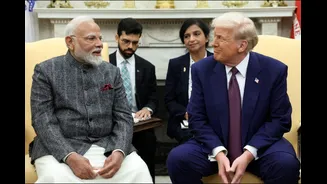
Donald Trump's decisions and statements have become central to discussions surrounding de-dollarization and the increasing value of gold. His policies,
especially concerning international trade and relationships, have fostered an environment where countries seek alternatives to the US dollar. This move stems from a desire to diversify reserves and reduce reliance on the US financial system, which is seen as a risk in some quarters. Trump's stance on trade and the international financial system has effectively catalyzed the shift, leading to heightened interest in gold as a safe-haven asset. The perceived instability and uncertainty created by his actions have fueled demand for gold, pushing prices upward as investors seek to protect their wealth during economic unpredictability. The shift away from the dollar is not sudden; it reflects a gradual but accelerating process accelerated by political factors. This process, coupled with economic uncertainty, solidifies gold's appeal as a long-term investment hedge.
De-dollarization's Drivers
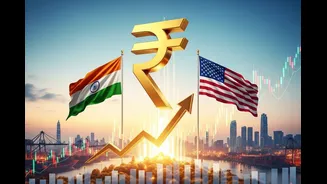
The movement towards de-dollarization is driven by several key factors, all of which have become more prominent due to the political landscape. Countries are increasingly looking at diversifying their foreign exchange reserves to reduce vulnerability to economic sanctions or political pressures exerted by the United States. This includes increasing holdings of gold and other currencies. Another critical factor is the growing economic influence of nations like China and India, which are promoting the use of their currencies in international trade and financial transactions, thereby gradually eroding the dollar's dominance. These nations are also forming new economic alliances that bypass the traditional dollar-centric financial structures. Furthermore, rising levels of global debt and concerns about the United States' fiscal health have prompted investors and countries to seek more stable, less risky alternatives for their assets. This search for security and diversification underscores the sustained demand for gold and the move toward a less dollar-dependent global financial framework. The collective impact of these factors highlights a fundamental reshaping of the world economy.
Gold's Rising Appeal
Gold's status as a safe-haven asset is further enhanced during times of political instability and economic uncertainty, as seen in the context of the actions described. The fear of inflation, caused by ongoing global economic challenges and geopolitical events, drives up gold prices because it is often seen as a hedge against the diminishing value of fiat currencies. Investors worldwide tend to increase their gold holdings when they perceive risks in the economy, and the trend of de-dollarization adds to this demand, as central banks and institutional investors also add gold to their portfolios. The intrinsic properties of gold—its limited supply, its physical nature, and its historical role as a store of value—contribute to its attractiveness. This sustained demand, fuelled by strategic diversification and concerns about the dollar, leads to a sustained upward pressure on gold prices. Therefore, the rise in gold prices is not just a reactive response to external events, but a calculated investment strategy, reflecting the broader structural changes in the global monetary system.
Future Economic Outlook
Understanding the interplay of political decisions, de-dollarization trends, and gold's performance is crucial for navigating the evolving economic landscape. Continued political developments and policy choices by key global players will influence the pace of de-dollarization and affect gold prices. The strategies of central banks, the evolution of international trade relationships, and the management of global debt will determine the direction of financial markets. Investors and policymakers should pay close attention to these dynamics to anticipate future trends and potential risks. Diversifying portfolios and understanding the drivers behind asset values become essential to mitigate volatility and ensure long-term stability. The convergence of economic, political, and financial factors shapes the future, making informed decisions that consider multiple variables critical for economic participants worldwide. This comprehensive understanding and proactive response are vital in an increasingly complex global economic environment.