
Bhogi's Significance Unveiled
Bhogi, a vibrant festival, holds a special place in the hearts of the people of Andhra Pradesh, marking the commencement of the Sankranti celebrations.
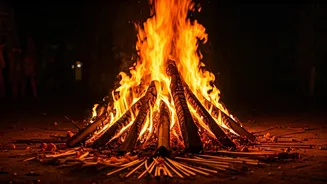
Bhogi essentially symbolizes the end of the old and the welcoming of the new, representing a time to cast off the past and embrace fresh beginnings. This is traditionally done through the practice of burning old and unwanted items in bonfires, which is seen as a symbolic cleansing to prepare for a prosperous new year. This act is not just a custom, it has a deeper meaning, representing the discarding of negativity and embracing a positive outlook for the future, fostering a sense of renewal and hope across communities in Andhra Pradesh. The celebrations extend beyond mere rituals, as they embody the rich cultural heritage and traditions deeply woven into the fabric of the state, signifying unity and the communal spirit.
The Bonfire Rituals
The bonfires lit during Bhogi were the most captivating aspect of the celebrations in Andhra Pradesh. The tradition of setting bonfires is not merely a custom; it carries significant cultural importance. The bonfires were ignited by the community members, often gathering in open spaces and public areas to light them, which created a shared atmosphere of togetherness. People typically discard their old belongings into the fire, symbolizing the act of letting go of the past and welcoming the new beginnings. The flames of the bonfires are believed to purify the surroundings, and their heat is seen as a symbol of warmth and prosperity for the year ahead. The bonfires also represented a period of social gatherings, as people come together, exchanging greetings, and sharing festive foods, thereby strengthening community bonds and creating a cheerful ambiance during this auspicious occasion.
Embracing Devotion and Fervor
Bhogi in Andhra Pradesh is more than just a cultural festival; it's a display of deep devotion and traditional enthusiasm. The day starts with various religious practices and rituals, showcasing the spiritual dimension of the celebration. Many families pay respects to deities and offer prayers, seeking blessings for a prosperous and healthy life. Women often wake up early to draw beautiful, colorful patterns called 'muggu' or rangoli at the entrance of their homes, designed with rice flour or natural colors. These designs are thought to invite prosperity and positivity into their abodes. Furthermore, the air is filled with the chanting of hymns and devotional songs, creating an atmosphere of spiritual peace. The enthusiasm and fervor displayed during Bhogi clearly reflect the deep-rooted religious beliefs and cultural values of the people of Andhra Pradesh.
Traditional Practices Highlighted
Bhogi in Andhra Pradesh is a showcase of traditional practices, each with its own special significance. Traditional foods, prepared using time-honored recipes, play a pivotal role in the festive meals. Foods often include dishes like 'pongal,' made with rice and lentils, and various other regional sweets and savories. These dishes are prepared with great care, following traditional methods, and are shared among family members and friends, reinforcing the bonds of community and togetherness. The attire worn during Bhogi also reflects the rich cultural legacy of the state. Men and women alike adorn traditional clothing, often including vibrant sarees and dhotis, each garment's design often representing the colors of joy and prosperity. These cultural practices and rituals, passed down through generations, enhance the essence of Bhogi, thereby strengthening the cultural identity and unifying the people of Andhra Pradesh.