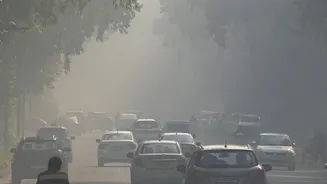








Emergency Measures Implemented
Facing a critical air quality situation, Delhi authorities have initiated significant measures to mitigate pollution. A core strategy is the 'No PUCC,
No Fuel' rule, rigorously enforced across the city. This policy requires vehicles to have valid Pollution Under Control Certificates (PUCC) to obtain fuel. The government's decision reflects a commitment to minimizing emissions from vehicles. The enforcement aims to ensure that only vehicles that meet emission standards continue to operate. This rule has been paired with discussions and debates about the most effective methods to combat Delhi’s severe air pollution. These proactive measures highlight the ongoing efforts to safeguard public health and tackle this pressing environmental problem in the capital city.
Parliament's Smog Debate
The intensifying smog crisis in Delhi has prompted crucial discussions within Parliament. Lawmakers are actively engaged in debates, seeking to formulate and evaluate strategies to mitigate air pollution. As the situation worsens, the urgency to address this environmental challenge is growing. The debates are focusing on the causes of the pollution, the effectiveness of current policies, and exploring potential new solutions. The participation and scrutiny of government leaders further underscore the gravity of the pollution crisis. The central government is under increasing pressure to act and provide effective solutions to ensure the health of the populace. This high-level dialogue underscores the importance of a comprehensive and coordinated approach to clean the air in Delhi.
AQI Drop Claims Cited
There are reports of improvements in Delhi's Air Quality Index (AQI), with claims of a significant drop attributed to enforcement of the 'No PUCC, No Fuel' policy. Reports state that there has been a reduction of 100 units. Advocates of this approach argue that stringent measures can lead to tangible gains in air quality. Such claims underscore the possible effectiveness of current efforts. While assessing the real impact, a thorough review of data and long-term trends is vital to confirm these improvements. The observed figures give hope that the city's approach is generating favorable results. Continued monitoring and research are essential to evaluate the effectiveness of the implemented steps and optimize strategies for lasting improvements to Delhi's air quality.