
The Production Plunge
The Basmati rice harvest in Punjab has witnessed a noticeable setback, with arrivals plummeting by a substantial 27%. This significant reduction underscores
the challenges currently facing the state's agricultural sector. The drop in production is particularly concerning given the importance of Basmati rice to both the local economy and the global market. Several factors contribute to this downturn, including adverse weather conditions and impacts on crop yields. Understanding the specific causes behind this decline is vital to formulate effective strategies to support the farmers and stabilize the production of this vital crop. This assessment highlights the need for immediate attention to mitigate the impact of the decrease and to secure the livelihoods dependent on Basmati cultivation in Punjab.
Flood's Devastating Impact
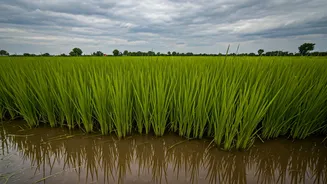
One of the primary reasons for the decline in Basmati production in Punjab is the extensive damage caused by floods. Unusually heavy rainfall and subsequent flooding events have severely affected the rice crop. Floodwaters not only destroyed standing crops but also damaged fields, impacting soil quality and making it difficult to replant. The impact of the floods extends beyond immediate crop losses, as it can affect future yields. Soil erosion and the spread of waterborne diseases can leave a lasting impact on agricultural land. Farmers who experienced flooding are now facing the struggle of repairing their fields. They also have to recover from the loss of income. The long-term effects of flooding on the agricultural landscape, necessitate a comprehensive approach to recovery and rehabilitation, including financial aid and sustainable agricultural practices. All these actions are crucial to support the affected farming communities.
Reduced Crop Yields
In addition to flood damage, Punjab is also experiencing reduced crop yields, contributing to the overall decline in Basmati rice production. Various factors have played a role in this decrease. These include inconsistent rainfall patterns, increased pest infestations, and possibly, changes in soil conditions. Such factors impact the health and productivity of rice plants. Reduced yields mean that the same amount of land produces a smaller quantity of rice. This affects the income of farmers and the availability of Basmati rice in the market. The situation also calls for the implementation of measures like better irrigation techniques and pest control. These measures can enhance productivity and assist farmers in coping with the challenges. By recognizing and addressing these yield-related issues, it becomes possible to revitalize Basmati rice production in Punjab.
Economic Ramifications
The decrease in Basmati rice production has a cascading effect on the local economy. The farmers who cultivate the crop are at the forefront of the repercussions. They now face financial constraints due to the reduced yields and income. The lower production also impacts the agricultural support services like transport, processing and marketing. These factors contribute to economic uncertainties. The overall impact on Punjab's economy is significant, given the vital role of rice cultivation. It is necessary to examine the long-term economic consequences and to develop effective strategies to support the agricultural community. This includes providing financial relief, encouraging crop diversification, and exploring alternative income sources. These initiatives will help mitigate the impact of the production decline and promote sustainable economic growth.
Looking Ahead: Solutions
To address the challenges in Basmati rice production, a multi-faceted approach is required. It starts with implementing better irrigation practices. These help regulate water supply, thereby protecting crops from erratic rainfall patterns. Also, providing farmers with quality seeds can improve yields. The development and adoption of disease-resistant rice varieties can also offer added protection from pest infestations. Government assistance through financial aid and training programs is also crucial. Support the farmers to adopt modern agricultural techniques. Furthermore, there is a need to invest in research and development to create crop varieties. These varieties should be resilient to climate change. Through these measures, it is possible to recover and secure the future of Basmati rice production in Punjab.