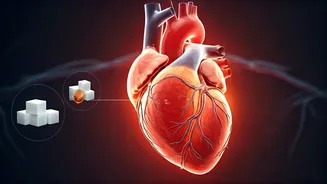








Beyond Taste Buds
That persistent urge for something sweet after finishing your main course is often more than a simple preference; it's a potential clue from your body
about its metabolic processes. Experts suggest that frequent dessert desires, especially when they feel automatic, point towards underlying patterns. These patterns often relate to how your body handles blood sugar fluctuations and insulin responses, or even the composition of the meal itself. Paying close attention to these automatic cravings is crucial, as they serve as a signal that warrants investigation into your dietary habits and physiological state. It's your body's way of communicating, urging you to look beyond the superficial desire and understand the deeper biological signals.
Blood Sugar Rollercoaster
When your diet predominantly consists of refined carbohydrates, your blood sugar levels can experience a rapid ascent followed by a sharp decline. This significant drop often triggers hunger signals, which your brain can misinterpret as an urgent need for sugar. Individuals who are managing insulin resistance or are in the early stages of diabetes are particularly susceptible to these dramatic swings. Consequently, they frequently encounter intense and hard-to-resist cravings for sweets. This cycle highlights the direct impact of meal composition on energy regulation and the subsequent physiological responses that lead to recurring sweet desires.
Meal Balance Matters
The components of your meals play a significant role in dictating feelings of fullness and satiety, directly influencing your post-meal cravings. If your meals are deficient in essential elements like protein, fiber, or healthy fats, they tend to be digested rapidly. This quick digestion fails to provide sustained energy, prompting your brain to seek a rapid fuel source, which is typically sugar. To counteract this, incorporating adequate protein, a variety of vegetables, and whole grains into your diet is vital. These elements help stabilize blood sugar levels, leading to a more consistent energy release and significantly reducing the impulse to conclude your meals with sugary treats.
Stress and Sleep's Role
Hormones released during periods of stress, such as cortisol, can significantly amplify sugar cravings by signaling the body to seek readily available energy. Furthermore, inadequate sleep disrupts the delicate balance of hormones that govern appetite regulation, making sweet foods appear particularly appealing. This connection is evident in individuals experiencing chronic stress or sleep deprivation, who often report more pronounced cravings for sugar following their meals. The interplay between psychological states and physiological responses demonstrates how lifestyle factors can directly influence dietary desires.
Diabetes Risk Indicator?
While persistent sweet cravings do not automatically equate to a diabetes diagnosis, they can indeed serve as an early warning sign, especially when accompanied by other symptoms. Indicators such as unexplained weight gain, chronic fatigue, or a family history of diabetes warrant attention. These combined signals suggest that your body might be experiencing difficulties in regulating glucose levels. Therefore, it's advisable to get your blood sugar levels assessed to rule out any underlying metabolic issues. This proactive approach allows for timely intervention and management.
Mindful Indulgence
The notion of complete abstinence from sweets is often counterproductive, as it can intensify cravings. The more effective approach involves mindful consumption and strategic dietary choices. Opting for naturally sweet foods, such as fruits, can satisfy your sweet tooth without detrimentally impacting blood sugar. Additionally, reducing portion sizes of any sweet treat you choose and consciously avoiding sugary beverages after meals are practical steps. These strategies help manage cravings effectively, ensuring you can enjoy sweetness without causing undue stress on your body's glucose regulation system.
When to Seek Help
If your experience with sweet cravings is characterized by high frequency and intensity, and is accompanied by symptoms like excessive thirst, frequent urination, or persistent fatigue, it is highly recommended to consult a healthcare professional. These symptoms could indicate an issue with blood sugar regulation, and a medical assessment can provide clarity. Having your blood sugar levels checked can help identify potential underlying conditions and allow for appropriate medical guidance and management strategies to be put in place, ensuring your long-term health and well-being.