
Significance of Makar Sankranti
Makar Sankranti, observed annually, marks the Sun's transition into the zodiac sign of Capricorn (Makar). This event signifies the end of the winter solstice
and the start of longer days, symbolizing the victory of light over darkness. It is an auspicious occasion celebrated across India with regional variations in traditions and observances. The festival holds cultural and spiritual significance, often associated with harvest celebrations, gratitude, and the promise of a new beginning. Communities mark the occasion by offering prayers, engaging in charitable acts, and participating in festive gatherings. The day typically involves special foods, such as sweets made of sesame seeds and jaggery, symbolizing sweetness and prosperity in the coming year. The festival reflects the diverse cultural landscape of India, where people from different regions celebrate with unique customs, creating a colorful and united expression of joy and hope.
Puja and Muhurat Time
The Makar Sankranti puja holds immense significance, often involving specific rituals performed during the auspicious muhurat. This period, which varies yearly, represents the most favorable time for commencing religious activities. Devotees often begin their day with a holy bath, followed by prayers to the Sun God (Surya Dev). The muhurat time, critical for performing rituals, is determined by astronomical calculations and varies regionally. These times are usually available in local calendars and religious texts. During the puja, offerings of sesame seeds, jaggery, and other traditional items are made to the deity, and mantras are chanted to seek blessings. Families often gather to perform the puja together, emphasizing the importance of community and shared faith. Observing the correct muhurat is believed to enhance the positive effects of the rituals, ensuring prosperity and well-being. Keeping a close watch on the scheduled time is therefore considered essential for a blessed Makar Sankranti.
Rituals and Customs
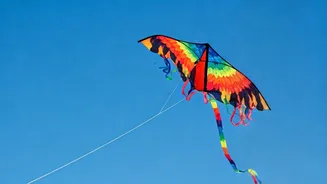
Makar Sankranti is rich in rituals and customs that vary from region to region across India. A common practice is the offering of 'daan' (charity), including donations of food, clothes, and other essential items. Many people take a holy dip in sacred rivers such as the Ganga, Yamuna, or Godavari, believing it to cleanse sins and bring good fortune. The practice of flying kites is also a significant custom, especially in Gujarat, where the sky fills with colorful kites during the festival. In some areas, special foods are prepared and distributed among family and friends. These include dishes like til ladoo (sesame seed balls), gur ki roti (jaggery bread), and khichdi (a lentil and rice dish). Farmers often celebrate the harvest, expressing gratitude for a successful season. These rituals reflect the unity and diversity of Indian culture, showing different ways of expressing devotion and celebrating life's abundance. These traditions highlight the deep-rooted cultural values and provide a sense of continuity from one generation to the next.
Festival's Meaning Explained
Makar Sankranti's meaning is multifaceted, symbolizing transition, new beginnings, and prosperity. It marks the sun's northward journey, representing a turn towards positivity and hope. The festival is not just a celebration but also a reminder to let go of negativity and embrace a brighter future. It signifies gratitude for the harvest and the blessings of nature, often emphasizing the importance of sharing and community. The traditional foods eaten during Makar Sankranti, such as sweets made from sesame seeds and jaggery, hold symbolic significance. Sesame seeds represent good health and protection from negativity, while jaggery symbolizes sweetness and success. This time is often used to resolve conflicts, strengthen relationships, and foster a sense of togetherness among families and communities. It also represents the importance of spiritual growth and the pursuit of knowledge. Makar Sankranti serves as a powerful reminder of life's cyclical nature and the continuous potential for renewal and growth.