




Understanding Dandruff
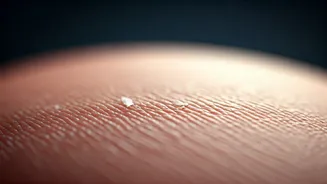
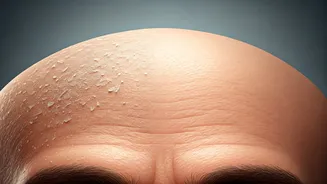
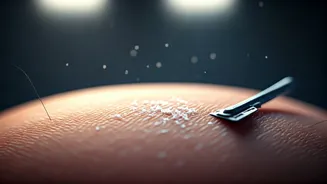
Dandruff, characterized by itchy, flaky scalp skin, is a widespread concern. It primarily arises from a biological reaction involving oil on the scalp and a common
yeast. This interaction can lead to inflammation and the characteristic shedding of skin cells. While it's a well-known condition, misconceptions about its treatment persist, with many seeking quick fixes that ultimately prove ineffective. The underlying mechanisms are rooted in the scalp's natural ecosystem, and understanding these is key to effective management. It's not simply about surface-level appearance but a response within the skin's microbiome.
The Shaving Fallacy
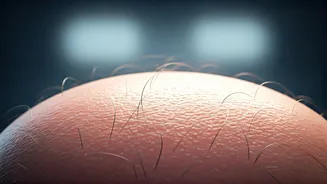
The notion that shaving one's head can eradicate dandruff is a persistent myth. While a close shave might temporarily remove visible flakes, it fundamentally fails to address the root causes of the condition. In fact, this act can inadvertently exacerbate the problem. Removing hair exposes the scalp directly to environmental irritants and can lead to increased dryness or sensitivity, potentially worsening itching and flaking. Instead of a cure, it offers a fleeting illusion of relief without tackling the underlying issues like fungal imbalances or skin dryness that fuel dandruff formation.
Effective Scalp Care
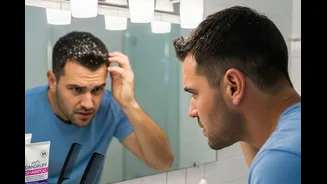
For sustained relief from dandruff, a targeted approach focusing on consistent scalp care is far more effective than drastic measures like shaving. The cornerstone of this care involves the regular use of medicated shampoos specifically formulated to combat the causes of dandruff. These shampoos often contain active ingredients designed to control yeast and reduce inflammation. Beyond shampoos, maintaining overall scalp health through gentle cleansing and avoiding harsh products can significantly contribute to a clearer, healthier scalp. Consulting a dermatologist is advisable for personalized treatment plans if over-the-counter options aren't sufficient.