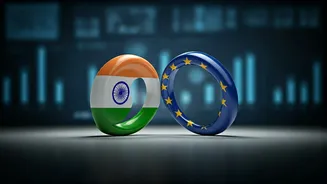








Trade Deal Unveiled
The trade agreement between India and the European Union (EU) signifies a landmark achievement, heralding a new era of open trade and collaboration. This
pivotal deal is designed to dismantle trade barriers and foster a more integrated economic relationship, marking a decisive move against protectionist tendencies. This agreement, as it was finalized, is poised to stimulate growth and create opportunities for both parties involved. Experts say the implications of this agreement are far-reaching and can have a significant effect on the world's economy.
Benefits of Partnership
The India-EU trade deal offers a multitude of benefits, stimulating economic growth and opening new avenues for both partners. It offers the removal of trade barriers, reduced tariffs, and simplified procedures, resulting in expanded market access for goods and services. The deal is set to promote innovation, collaboration, and enhanced competitiveness for Indian and EU businesses. This deal also fosters investment and strengthens overall economic ties. It promotes mutual prosperity and reinforces the global commitment to open trade.
Addressing Protectionism
The India-EU trade deal presents a determined effort to counter protectionist measures that have become increasingly prevalent in the global arena. The agreement emphasizes free and fair trade principles, reducing barriers that hinder trade and undermining protectionist policies. This initiative strengthens the rules-based international trade system.
Future Implications
The India-EU trade deal will shape the future landscape of international trade and set the tone for future trade agreements. It is expected to significantly influence trade dynamics, promote economic growth, and serve as a model for other trade agreements worldwide. The partnership will strengthen international cooperation, address pressing global challenges, and promote sustainable growth.