






EVMs: Public Confidence
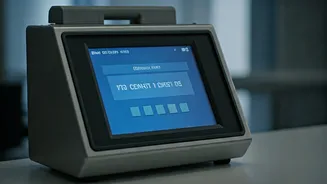
The Karnataka government conducted a survey that showed a substantial percentage of its citizens harbor confidence in the integrity of Electronic Voting
Machines (EVMs). A significant 83% of the public expressed their trust in the technology used for voting. This statistic is critical because it directly counteracts previous claims regarding the potential vulnerability of EVMs. The survey results are timely, coming at a point when discussions on electoral processes are very much prevalent. Such findings from the survey are valuable in gauging the public's overall perception of the electoral system. It sets a stage for further examination into the transparency and reliability of voting methods currently in use. The survey's revelations are pivotal and invite deeper scrutiny into the operational aspects of EVMs, reinforcing the importance of unbiased electoral practices.
Addressing Previous Claims
This survey's outcome holds considerable significance, particularly in the context of earlier statements. The 83% trust level in EVMs emerges as a contrasting point to claims made previously. These claims may have questioned the reliability of the system. The survey's data thus becomes an important reference point in an ongoing debate over the trustworthiness of voting systems. The findings provide a factual basis to reassess the perspectives and claims that have been circulated. The public's faith, as reflected in the survey, offers an opportunity to reassess the electoral procedures. This creates a foundation for building a robust and transparent voting framework that instills greater confidence in the democratic process.
Implications and Discussions
The findings from the Karnataka government's survey are likely to initiate broad-ranging discussions about the conduct of elections. The survey is significant in the political discourse of India. It has set a precedent for future investigations into public perceptions of voting systems. The high level of trust in EVMs could influence how various stakeholders interpret election results. It encourages a closer look at the voting processes. The survey results are set to inform future discussions around electoral reform. This may influence decisions about election management and oversight. The public's confidence, as indicated by the survey, is crucial for fostering a robust electoral system.