








Strategic Arctic Position
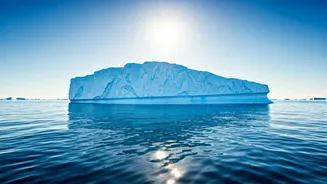
Greenland, a self-governing territory within the Kingdom of Denmark, commands a pivotal position in the Arctic, making it a subject of considerable interest
to major world powers. Its geographical location offers strategic advantages, especially in terms of military presence and control over vital shipping lanes. Its proximity to both North America and Europe, coupled with the melting of Arctic ice opening new routes, amplifies its significance. The United States has long been aware of this strategic importance, a fact which has led to a history of diplomatic maneuvering and various degrees of involvement on the island. This interest is not a recent development; it is deeply rooted in the Cold War and continues into modern times. Greenland's future therefore is of interest to various international players including Denmark, other countries of the EU, and the United States.
US Historical Involvement
The United States' interest in Greenland isn't new. During World War II, the US established a presence on the island for defense purposes. This involved establishing bases and airfields. After the war, this involvement persisted, evolving to include diplomatic initiatives and strategic partnerships. The US government has, over the decades, actively sought to maintain a strong relationship with Greenland and its governing bodies. This has often been expressed through financial aid, research collaborations, and military agreements. These efforts are aimed at solidifying US influence and safeguarding its strategic interests in the Arctic region. This historical involvement sets the stage for current considerations, where the US-Greenlandic relationship has to deal with environmental challenges and emerging geopolitical realities.
Resource and Economic Interests
Beyond its strategic importance, Greenland's potential mineral and natural resource wealth plays a vital role in fueling international interest. The island is believed to possess considerable deposits of rare earth elements, uranium, and other valuable minerals crucial to modern technology and industry. The extraction of these resources presents significant economic opportunities, as well as complex environmental and political challenges. International companies and governments are therefore keeping a close eye on Greenland. The potential for Greenland to become a major player in the global resources market has drawn further attention to the island, as countries try to solidify strategic partnerships. The economic aspect of Greenland’s development is interwoven with the larger question of its sovereignty and control over its own resources.
Geopolitical Power Plays
The Arctic region is quickly becoming a theatre for geopolitical competition. With the melting of polar ice, previously inaccessible areas are opening up to shipping, resource exploitation, and military activities. Major powers, including the United States, Russia, and China, are vying for influence and control in the area. Greenland's location makes it a critical part of this dynamic. The US, with its long-standing presence and strategic objectives, is carefully watching developments. It is keeping an eye on the actions of other countries and seeking to safeguard its own interests. The ongoing geopolitical game in the Arctic is a reflection of the global struggle for influence and control over critical resources and strategic pathways.
Sovereignty and Self-Determination
The interests of Greenland and its people are central to any discussion about the island’s future. The Greenlandic government has worked to build greater autonomy and self-governance within the Kingdom of Denmark. Greenland’s desire to control its own resources, protect its environment, and determine its own future shapes the discussions with the US and other international actors. The principle of self-determination, which asserts the right of a people to govern themselves, becomes a key consideration. The balance between international interests and local autonomy is a defining feature of the geopolitical landscape of Greenland.
International Diplomatic Maneuvering
The US and other countries, including those in the EU, engage in diplomatic efforts to engage with Greenland. These strategies often involve financial aid, technical assistance, and strategic partnerships. These initiatives show an awareness of the value of the island and its future. The US government has frequently employed a mix of diplomacy and strategic positioning to achieve its objectives. It has also used diplomatic pressure, when necessary, to ensure its interests are looked after. These diplomatic efforts, however, need to be carefully handled to respect Greenland’s sovereignty and the needs of its people. The balance between cooperation and competition is a central aspect of the diplomatic dance happening in the Arctic.