



Cultural Mosaic Unveiled
India's cultural heritage is a vibrant blend of traditions, languages, and religions, reflecting a history spanning millennia. The nation's diversity is evident
in its numerous states and union territories, each possessing distinct customs, art forms, and cuisines. From the ancient temples of South India to the bustling cities of the North, India offers a rich tapestry of experiences. The influence of various empires, including the Mughals and the British, has further enriched the cultural landscape. Festivals like Diwali, Holi, and Eid are celebrated with great enthusiasm across the country, showcasing the spirit of unity in diversity that defines India. The arts, including classical music, dance forms like Bharatnatyam and Kathak, and traditional crafts, are integral to the cultural identity, passed down through generations. This deep cultural foundation not only provides a sense of belonging but also attracts visitors from around the world who seek to experience this unique civilization.
Economic Boom Explained
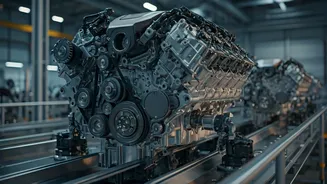
India's economy has experienced remarkable growth in recent decades, transforming it into one of the world's fastest-growing major economies. This progress has been fueled by a combination of factors, including a large and youthful population, a growing middle class, and significant investments in infrastructure and technology. The service sector, particularly information technology and business process outsourcing, plays a crucial role, contributing significantly to the GDP. Manufacturing is also expanding, driven by government initiatives like 'Make in India.' The liberalization of the economy, beginning in the early 1990s, has further accelerated growth by attracting foreign investment and promoting private sector development. While challenges like income inequality and infrastructure gaps persist, the Indian economy's trajectory continues to be positive, promising further advancements and opportunities for its citizens and the global economy. This economic rise is not just about financial metrics, but also impacts the quality of life, leading to the development of schools, hospitals, and improving overall standards.
Demographic Dynamics Explored
India's population, currently one of the largest globally, is a significant driver of its economic and social development. The country's demographic structure is characterized by a high proportion of young people, providing a considerable workforce. This youthful demographic presents both opportunities and challenges. While a large workforce can fuel economic growth and innovation, it also places pressure on resources like education, healthcare, and employment. The rural-urban migration is transforming the social landscape, with people moving from rural areas to cities in search of better opportunities. This urbanization brings about challenges such as overcrowding and resource constraints, but it also creates avenues for economic advancement and social mobility. The government is implementing various programs to improve education, skills development, and healthcare to address the demographic challenges and harness the potential of its people. Understanding the changing demographic landscape is crucial for planning and implementing effective policies that support sustainable and inclusive growth across India.
Governance and Society
India operates under a parliamentary system of government, with a multi-party democracy and a constitution that guarantees fundamental rights and freedoms to its citizens. The country's diverse political landscape includes numerous parties at national and regional levels, often leading to coalition governments. The judiciary plays a critical role in upholding the rule of law and protecting the rights of citizens. The government faces various governance challenges, including corruption, bureaucratic inefficiencies, and the need for more efficient service delivery. However, India's democratic institutions are robust, with regular elections and a free press. Socially, India is a complex country with disparities based on caste, religion, and gender. Efforts are ongoing to address these inequalities through affirmative action policies and social welfare programs. Civil society organizations play a significant role in advocating for social justice and promoting citizen participation in governance. The interplay of these diverse elements shapes India's present and its future trajectory.
International Relations and Influence
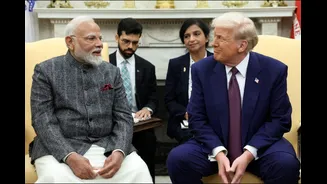
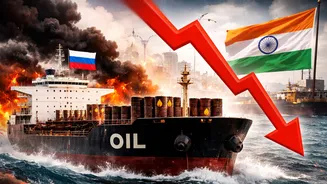
India's foreign policy is guided by its pursuit of national interests and its desire to play a prominent role on the world stage. The country has a long-standing commitment to non-alignment and peaceful coexistence, maintaining strong relationships with many countries worldwide. India is a member of key international organizations, including the United Nations, the G20, and the BRICS. It is actively involved in promoting global cooperation on issues such as climate change, terrorism, and sustainable development. India has also strengthened its strategic partnerships with countries like the United States, Russia, and Japan, reflecting its evolving geopolitical considerations. With a growing economy and a large population, India's influence on global affairs is steadily increasing. India's role in international diplomacy and its efforts to promote peace and stability are essential to its vision of being a leading global power, emphasizing multilateralism and the need for a just and equitable world order.