






Pollution's Global Reach
The air we breathe, the water we drink, and the very ground beneath our feet are facing a growing threat: pollution. This isn't just a local issue; it's
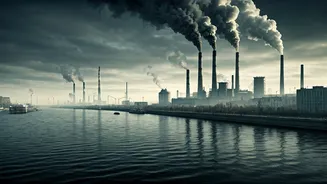
a global crisis, impacting communities far and wide. Air pollution, a major component of this crisis, is often caused by a combination of factors, including industrial emissions, vehicular exhaust, and the burning of fossil fuels. These pollutants can lead to respiratory illnesses, cardiovascular problems, and even premature death. Water pollution, stemming from industrial discharge, agricultural runoff, and improper waste disposal, contaminates vital water resources, endangering both human and aquatic life. Soil pollution, caused by improper waste management, industrial activity, and excessive use of fertilizers and pesticides, renders land unusable for agriculture and contaminates food chains. While pollution is an undeniable reality in many urban centers, the specific cities struggling the most, according to recent data, will be further discussed in the next sections.
A City's Air Quality
Delving deeper into the complexities of urban pollution, we'll examine how air quality significantly varies among the affected cities. The concentration of particulate matter (PM2.5 and PM10), nitrogen dioxide (NO2), and ground-level ozone (O3) often determine the air quality index (AQI). High levels of PM2.5, for instance, which are fine inhalable particles, are closely associated with respiratory ailments and cardiovascular diseases. NO2, primarily originating from vehicle exhaust, can irritate the lungs and contribute to smog formation. Ground-level ozone, formed by the reaction of pollutants in sunlight, can damage lung tissue. These pollutants don't just affect human health; they also contribute to acid rain, damage to ecosystems, and the acceleration of climate change. Each city faces unique challenges depending on its geography, industry, and population density, leading to distinctive pollution profiles. Further, the combination of these factors significantly contributes to the cities' ranking on global pollution indices. A city's performance on the AQI directly affects the quality of life, economic productivity, and overall well-being of its residents, further discussed in following sections.
Health Risks Multiply
The detrimental impact of pollution on public health is substantial and far-reaching. Exposure to polluted air can cause a wide spectrum of health problems, from mild to severe. Short-term exposure to pollutants can lead to coughing, sneezing, and eye irritation. Long-term exposure, however, increases the risk of chronic conditions, such as asthma, bronchitis, and lung cancer. Cardiovascular diseases, including heart attacks and strokes, are often exacerbated by air pollution. Furthermore, the most vulnerable populations, such as children, the elderly, and those with pre-existing conditions, are at the highest risk. Pollution's effect is not limited to physical health. Studies suggest that air pollution can also affect mental health, increasing stress and anxiety levels. Governments and healthcare systems in highly polluted cities face increased costs as they tackle a rise in pollution-related illnesses, placing a strain on resources and potentially reducing the quality of care available.
Sources of Contamination
Identifying the root causes of pollution is essential for effective mitigation. The primary sources of air pollution vary by city, but commonly include industrial emissions, vehicular traffic, and the burning of fossil fuels for energy. Industrial plants often release a mix of pollutants, including heavy metals, particulate matter, and harmful gases, into the atmosphere. The volume of vehicles on roads contributes significantly to emissions of NO2, carbon monoxide, and particulate matter. The energy sector, reliant on coal, oil, and natural gas, is a major contributor to greenhouse gas emissions, increasing air pollution. Additionally, agricultural practices, such as the use of fertilizers and pesticides, can lead to water and soil pollution. Urbanization, population growth, and inadequate waste management further contribute to environmental degradation. In the upcoming sections, we will delve into the specific cities affected, providing detailed insights into how these factors intersect and intensify the pollution problems in each location.
City 1: Details
Let's begin our tour of polluted cities with the first one, which is facing its own unique challenges. This city, heavily industrialized, experiences significant pollution from its manufacturing sector. Dense traffic and an aging vehicle fleet further contribute to air quality issues. Respiratory illnesses are a significant health concern among its residents, while the local government has implemented measures like promoting public transportation, but pollution levels remain high. This city's struggle with pollution shows the complex interplay of industrial activity, urbanization, and inadequate environmental policies, highlighting the need for more ambitious actions.
City 2: Insights
Moving on to the second city on our list, the situation takes on a different hue. This city faces pollution due to a combination of factors. The city's industrial emissions, coupled with a growing population and vehicle count, create a constant source of pollution. Despite its commitment to renewable energy sources, the transition hasn't been fast enough to reduce pollution. The city has recently launched programs to improve public transport and encourage cycling. This city's situation underlines the need for an integrated approach involving stricter regulations, sustainable urban planning, and investments in green technologies to help curb pollution.
City 3: Challenges
Next on the list is the third city, where the issue of pollution takes a new dimension. This city, known for its bustling economy, struggles with heavy vehicle traffic and construction activities, leading to high levels of particulate matter. The rapid development of infrastructure puts additional pressure on the city's environment. The government has attempted to mitigate these effects by imposing construction site restrictions and promoting cleaner fuel standards. This city shows the difficulty of balancing rapid development with environmental sustainability.
Solutions: Global Action
Addressing global pollution requires a multifaceted and coordinated approach. International cooperation is crucial for sharing best practices and establishing global environmental standards. Governments worldwide need to enact stricter regulations on industrial emissions, vehicular pollution, and waste management. Investing in renewable energy sources, such as solar and wind power, can drastically reduce reliance on fossil fuels. Promoting sustainable urban planning, including public transport systems, cycling infrastructure, and green spaces, can improve air quality and overall quality of life. Empowering citizens through awareness campaigns and providing them with tools to monitor pollution levels encourages community participation. Technology and innovation can offer new solutions. For example, sensor networks can monitor pollution levels in real-time. Finally, holding industries accountable for their pollution and enforcing environmental laws can help ensure that pollution is reduced.
The Road Ahead
The battle against global pollution is an ongoing one. While challenges persist, there's also reason for optimism. The increasing awareness of environmental issues is leading to more action from both governments and citizens. The development and deployment of clean technologies is accelerating, giving us new tools to fight pollution. By working together, sharing best practices, and implementing effective strategies, the world can pave the path towards cleaner, healthier cities for everyone. The journey ahead will demand constant effort and commitment. It is crucial to recognize that the fight against pollution is not just about environmental protection; it is also about safeguarding public health, ensuring economic prosperity, and creating a sustainable future for the coming generations.
Conclusion: A Call
In conclusion, the 10 cities facing severe pollution serve as a stark reminder of the environmental challenges we face globally. From industrial emissions to vehicle traffic and inadequate waste management, the sources of pollution are complex and multifaceted. The health risks, economic burdens, and environmental impacts of pollution are significant. The future depends on collective action, from enacting stricter regulations and investing in renewable energy to fostering international cooperation and empowering citizens. Addressing global pollution requires a comprehensive and sustained effort. Only by acknowledging the gravity of the situation and committing to change can we hope to achieve a healthier and more sustainable planet.