




Hantavirus: Not Airborne
Amidst recent global discussions sparked by a suspected "generation 3" hantavirus transmission event, health organizations and scientific experts have
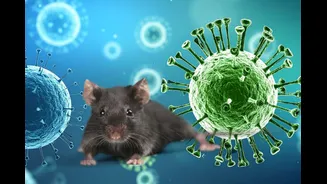
collectively emphasized that the virus does not exhibit airborne transmission characteristics akin to COVID-19. The primary mode of infection for hantavirus remains exposure to infected rodents, typically through inhaling virus particles from their excreta. While certain strains, notably the Andes virus prevalent in South America, have demonstrated the capacity for human-to-human transmission through close personal contact, this spread is considerably less efficient and widespread compared to respiratory viruses. Public health agencies and the World Health Organization (WHO) have reassured the public that the risk of significant community-wide transmission through the air is exceptionally low, and the virus has not demonstrated an evolutionary leap towards sustained airborne contagiousness. The focus remains on established transmission routes and risk mitigation strategies.
Understanding Transmission Chains
The concept of "generation" in viral transmission refers to the successive stages of spread from an initial source. Generation 1 involves direct infection from the original host, in hantavirus's case, a rodent. Generation 2 occurs when an infected individual transmits the virus to another human. A Generation 3 case signifies a further onward transmission from that second human to a third. The recent concerns about a potential Generation 3 hantavirus case arose following an outbreak linked to the MV Hondius cruise ship, which saw multiple infections and fatalities reported across various countries. While the existence of such isolated transmission chains has understandably fueled online discussions about the virus potentially adapting for more efficient human-to-human spread, experts caution against equating isolated instances with a fundamental change in the virus's behavior. Such events, while needing thorough investigation, do not automatically indicate a shift towards rapid and widespread human contagiousness.
The MV Hondius Outbreak
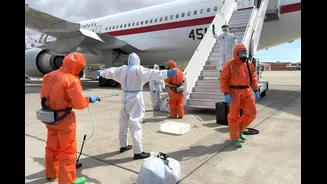
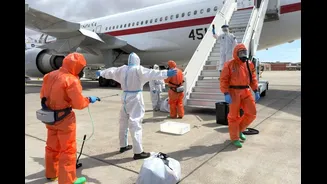
The outbreak of hantavirus associated with the Dutch-flagged cruise ship MV Hondius garnered significant international attention due to the geographical spread of reported cases. Infected passengers who had sailed through regions including Antarctica and the South Atlantic subsequently traveled to multiple countries, leading to confirmed infections and, tragically, three reported deaths. This global dissemination before the outbreak was identified prompted the World Health Organization (WHO) to notify numerous countries whose citizens may have been exposed during the voyage. Health authorities have underscored that due to the hantavirus's incubation period, which can extend for up to six weeks, further cases may emerge from this cluster. However, officials have consistently stated that this event is not indicative of a pandemic on the scale of COVID-19, as the virus's limited human-to-human transmission capabilities significantly reduce the overall public risk.
Recognizing Hantavirus Symptoms
Early recognition of hantavirus infection is crucial for timely medical intervention. The initial symptoms often present as a non-specific flu-like illness, making early diagnosis challenging. Common signs include fever, persistent headaches, and general muscle pain. Individuals may also experience fatigue, nausea, and vomiting. In more severe instances, the infection can progress to hantavirus pulmonary syndrome (HPS), a serious respiratory condition that can become life-threatening. It is vital for individuals who have been in areas known for hantavirus prevalence, particularly where rodents are present, and who develop these symptoms to seek medical attention promptly and inform their healthcare providers about their potential exposure history. Vigilance and prompt reporting are key to managing the impact of this disease.