



Cultural Harmony Drives Travel
The tourism sectors of India and Thailand are greatly influenced by their shared cultural backgrounds. The deep-rooted cultural connections between these
two nations have long facilitated travel and exchange. The similarities in traditions, religious practices, and social customs make it easier for people from each country to understand and appreciate the other's way of life. This mutual understanding reduces cultural barriers, making it more appealing for tourists to explore different aspects of both nations. As a result, many Indians are drawn to Thailand's temples, festivals, and cultural shows. Likewise, Thais find India's historical sites, spiritual retreats, and vibrant festivals very appealing. This shared cultural ground lays a strong foundation for increased tourism, allowing for a steady flow of visitors between the two countries.
Building on Existing Links
The potential to grow tourism between India and Thailand relies on building upon existing connections. India and Thailand already experience considerable tourism from each other, which serves as a solid base for further development. Many Indians have been visiting Thailand, attracted by its beautiful beaches, bustling cities, and relatively affordable prices. Similarly, Thailand is a popular destination for Indian travelers looking for cultural and spiritual experiences. It is important to remember that these existing travel patterns are already in place, forming a solid foundation for growth. By identifying and addressing the issues affecting these exchanges, both countries can provide for the sustained growth of the travel industry. This involves promoting various destinations, improving transportation links, and making sure that travelers have easy access to necessary services like visas. Ultimately, focusing on these areas will lead to more visitors and strong relations between the two nations.
Expanding Tourism Ventures
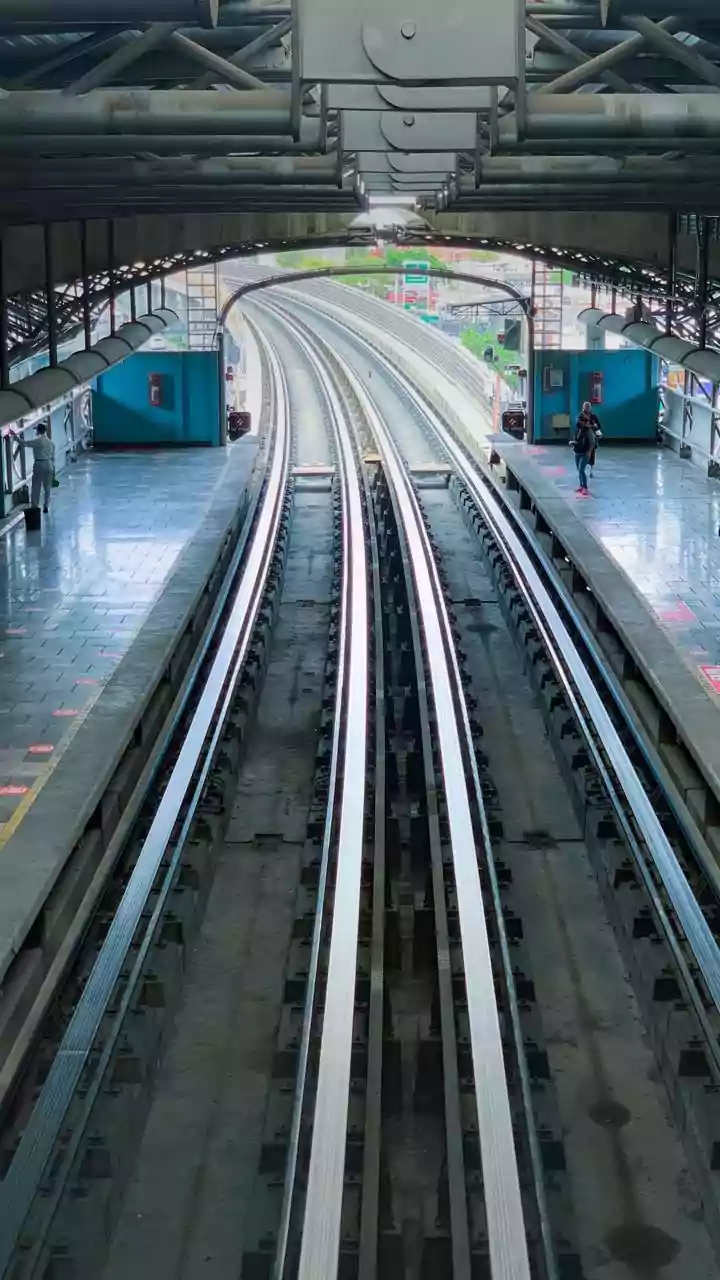
In order to maximize tourism potential, both India and Thailand must implement innovative strategies. There is considerable opportunity for expansion by creating new avenues for tourism. One method is to advertise lesser-known tourist destinations in both countries. India can show Thailand its historical sites and yoga retreats, while Thailand can showcase its diverse islands and traditional festivals. Another option is to enhance infrastructure and travel facilities. Improving transport connections, offering more direct flights, and ensuring efficient visa processes can improve the tourism experience. Developing specialized tourism products can cater to distinct interests, such as medical tourism, wellness retreats, and adventure travel. Additionally, collaborative marketing campaigns and partnerships can promote both countries as desirable tourism destinations. By adopting these strategies, India and Thailand can jointly expand their tourism sectors and gain greater economic benefits.
Boosting Economic Benefits
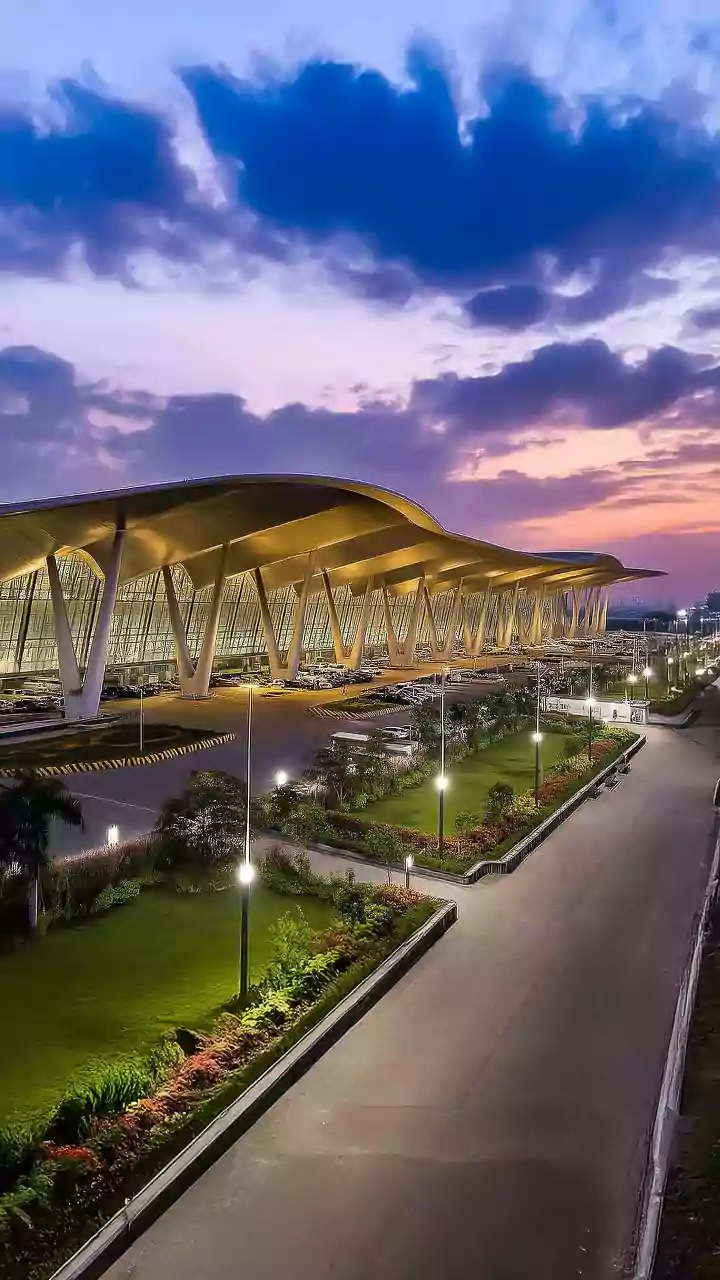
Enhanced tourism ties have the potential to produce significant economic benefits for India and Thailand. The expansion of tourism can generate increased revenue for both countries. More visitors mean more spending on hotels, restaurants, transportation, and local crafts, thus supporting economic growth. Tourism provides several job opportunities. The hospitality sector, including hotels, restaurants, and tour operators, will need more staff. Tourism-related activities also encourage investment in infrastructure, such as airports, roads, and tourist facilities. This investment can boost local economies. Moreover, tourism also contributes to the preservation of cultural heritage. Increased attention from tourists encourages governments and communities to maintain historical sites, cultural centers, and traditional festivals. This strengthens cultural pride and ensures these important elements are passed on to future generations. These economic benefits play a crucial role in improving the lives of citizens in both countries.
Addressing Potential Challenges
Although the tourism potential is significant, both India and Thailand should deal with potential challenges. One issue is the requirement to provide adequate infrastructure and facilities. Both nations should ensure that there are enough accommodations, transportation, and necessary services to handle an increase in tourists. Maintaining tourist safety is also extremely important. This necessitates improved security measures, as well as clear communication about safety protocols and emergency services. Cultural sensitivity is also a concern. It is important to promote respectful behavior among tourists and local communities to protect cultural heritage and avoid any misunderstandings. Addressing these issues shows a responsible approach to tourism growth and guarantees that both India and Thailand can reap the benefits of increased tourism while preserving cultural values and ensuring the safety and satisfaction of visitors.