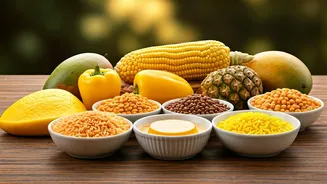

Celebrating Basant Panchami
Basant Panchami is a spring festival in India, dedicated to Saraswati, the goddess of knowledge, music, arts, wisdom, and nature. Celebrated annually on
the fifth day of the Hindu month of Magha, the festival marks the end of winter and the arrival of spring. The use of the color yellow is central to the celebrations. It symbolizes the vibrancy of spring, prosperity, and the radiance of knowledge. Yellow attire, food, and decorations are prominent during this festive occasion. The day is often marked by prayer rituals, cultural performances, and the consumption of specific foods believed to bring good fortune.
The Significance of Yellow
The color yellow carries significant meaning during Basant Panchami. It represents the warmth of the sun, the blossoming of nature, and the energy of life. Dressing in yellow, from clothing to accessories, is a common practice to honor the occasion. Beyond its aesthetic appeal, yellow also symbolizes prosperity, optimism, and good luck. The color's association with the sun and new beginnings makes it an ideal representation of the spring season. Many rituals and traditions are performed using yellow elements to invite blessings and positive energy. The act of wearing or consuming yellow foods during Basant Panchami is a way to embrace these auspicious attributes.
Sweet Corn Delights
Sweet corn is a delicious and versatile yellow food that can be enjoyed during Basant Panchami. Sweet corn offers a delightful treat. It can be prepared in various ways, such as boiled, roasted, or as part of salads and soups. Its natural sweetness and vibrant color make it an appealing addition to the festive menu. Sweet corn is a popular choice for its ease of preparation and the health benefits it provides. It is rich in fiber and various nutrients. Including sweet corn in your Basant Panchami celebrations not only adds a flavorful element but also contributes to a nutritious meal. Furthermore, it is a simple food choice that is enjoyed by all ages.
Turmeric-Infused Dishes
Turmeric, with its rich yellow hue, is a staple in Indian cuisine and a must-have during Basant Panchami. The spice is not just a coloring agent; it brings several health benefits. Turmeric is known for its anti-inflammatory and antioxidant properties. Including turmeric in your dishes adds a layer of wellness and good health to your festivities. Dishes like turmeric rice, turmeric milk, or even simple turmeric-infused vegetable curries are perfect for the occasion. The use of turmeric also symbolizes purity and auspiciousness, making it a fitting choice for Basant Panchami. It can be added to both savory and sweet dishes, enhancing both the flavor and color.
Besan Ladoo Temptations
Besan ladoo, a traditional Indian sweet made from gram flour (besan), is a classic yellow food to enjoy on Basant Panchami. The ladoos are made by roasting besan with ghee and sugar, resulting in a sweet, melt-in-your-mouth treat. They are not only delicious but also hold cultural significance. Besan ladoos are a symbol of prosperity and are often offered to deities. Preparing or sharing besan ladoos during Basant Panchami is a way to celebrate and spread happiness. The golden-yellow color of these sweets adds to the festive ambiance and signifies joy. This sweet is especially loved by all for its rich and irresistible taste.
Saffron-Infused Delights
Saffron, also known as kesar, is another valuable yellow ingredient that can be included in your Basant Panchami menu. Saffron gives color and flavor. It is a prized spice in Indian cuisine. Saffron-infused sweets and beverages, such as saffron milk or saffron rice, enhance the celebrations. The saffron strand's vibrant color adds a regal touch to the festive foods. The consumption of saffron during Basant Panchami is also associated with luck and prosperity. Dishes infused with saffron not only offer a unique taste but also signify a sense of luxury. Additionally, it has several health benefits and has been used traditionally for various medicinal purposes.
Mango Magic
Although mangoes might not be fully in season, some varieties do begin to appear around Basant Panchami. Mangoes, with their golden-yellow flesh, represent the richness of summer. Consuming mangoes during this festival can symbolize the anticipation of warmer days and the abundance of nature. Mangoes can be enjoyed as they are, or used in desserts and beverages. Mangoes provide essential vitamins and are known for their sweet flavor. Adding mangoes to the Basant Panchami menu is a way to welcome the season with joy and freshness. The fruit's color and taste add a vibrant touch to the celebrations. Mangoes are enjoyed by people of all ages.
Kaddu ki Sabzi
Kaddu ki sabzi, a flavorful pumpkin preparation, is a popular yellow food consumed during Basant Panchami. This dish is usually made with pumpkin, spices, and often includes a tempering of mustard seeds and curry leaves. The bright yellow color of the pumpkin makes it a good addition to the festive fare. Kaddu ki sabzi has both a good taste and offers nutritional benefits, as pumpkin is a good source of vitamins and fiber. It is usually served with puris or parathas. Eating Kaddu ki sabzi during Basant Panchami is considered auspicious, adding another layer of tradition to the celebrations. This dish can be prepared in various styles and regional flavors, making it a versatile choice.
Final Thoughts
Embracing these yellow foods during Basant Panchami adds a touch of prosperity, joy, and tradition to the celebrations. From the vibrant color of turmeric to the sweetness of besan ladoos, each food has its own unique place in the festival. Whether it's sweet corn, saffron-infused delights, or kaddu ki sabzi, these yellow dishes add more than just flavor. They deepen the cultural significance of the day, making it an experience that embraces the freshness of spring and the blessings of Saraswati. By incorporating these items, you can enhance your celebrations and invoke good fortune.