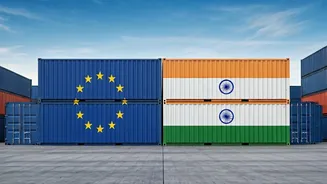

Trade Dynamics Examined
India's trade relationship with the European Union is currently under scrutiny, particularly due to the potential suspension of the Generalized System
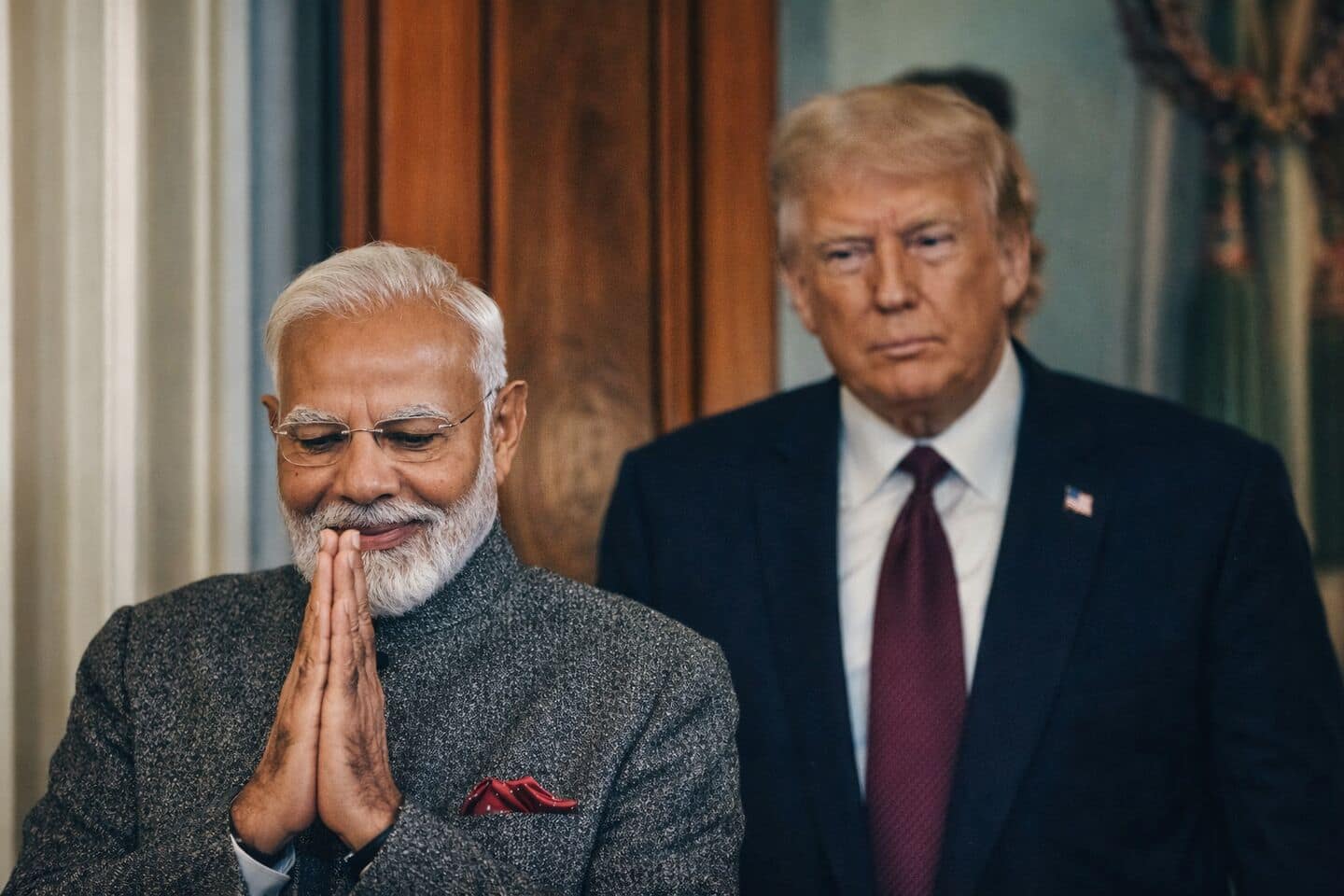
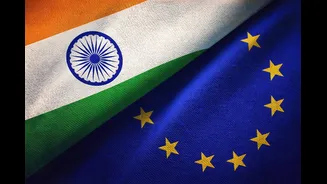
of Preferences (GSP). This could lead to elevated tariffs on a significant portion of Indian exports. A recent report indicates that approximately 87% of Indian exports might be affected. This section analyzes the impacts of potential tariff hikes on Indian exports to the EU. The German Chancellor's strategic push for an India-EU deal during the World Economic Forum in Davos highlights the significance of this relationship, setting the stage for India to potentially become a crucial player in promoting peace solutions.
Tariff Threats Unveiled
The suspension of GSP by the EU poses significant challenges for India, potentially increasing tariffs on the majority of its exports to the region. This is likely to influence the competitiveness of Indian goods in the European market. The report's findings indicate the extent of the potential disruption, shedding light on the critical need for proactive strategies. Discussions about India's role in the global community are also taking place, including the possibility of playing a more pivotal role in facilitating a two-state solution for the Israeli-Palestinian conflict, as indicated by the Palestinian Ambassador.
India's Growth Strategy
To insulate India's economic growth from external pressures, strategic measures are necessary. This includes diversifying trade partnerships, strengthening domestic production capabilities, and exploring alternative markets. The government is expected to focus on promoting exports and attracting foreign investment. One element is the focus on budget 2026 and its ability to deal with outside threats. Initiatives like the India-EU trade agreement are designed to cushion India against tariff threats. The upcoming budget is therefore crucial in safeguarding the nation's economic interests, especially in the context of global uncertainty and potential tariff wars.